Giving Young People the Tools to Make Informed Choices
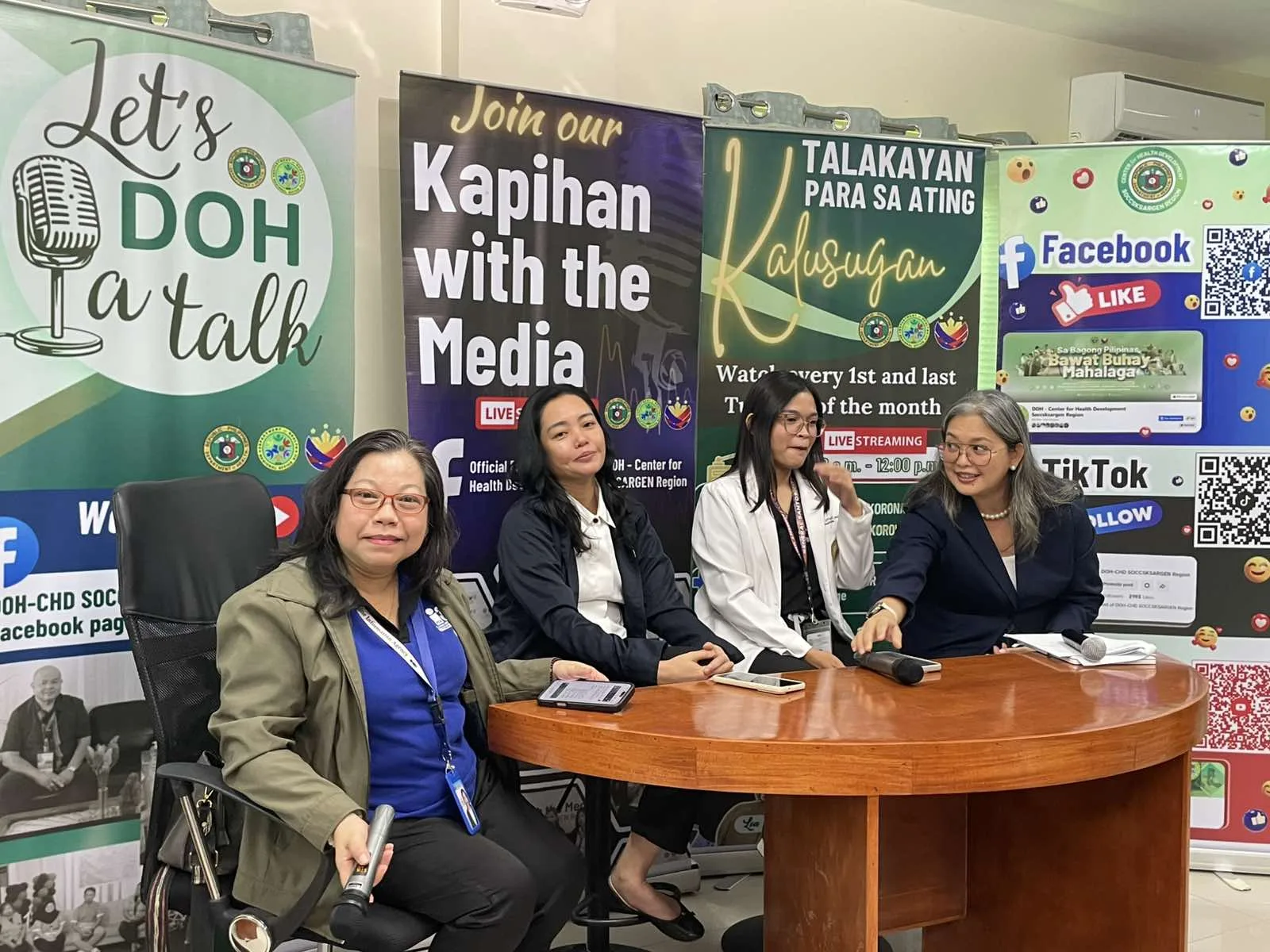
GENERAL SANTOS CITY - One important message from the September discussion was that empowering adolescents involves more than simply warning them about risks. CPD Region 12 Regional Director Desiree Concepcion Garganian emphasized providing young people with appropriate guidance and support, while General Santos City Acting Assistant City Health Officer Dr. Ecila Rio O. Africa pointed to the value of understanding and communication between parents and children. The conversation presents youth empowerment as something that can happen through everyday relationships, where teenagers have opportunities to ask questions and receive dependable guidance. That approach places young people at the center of conversations about their own health and future.
Health Information Should Be Easier for Teens to Reach
The discussion also highlighted the importance of making health services responsive to the particular needs of adolescents. Joana Kristine A. Chio, a nurse and coordinator for the DOH-CHD’s Adolescent Health and Development Program, said young people should have access to accurate information and adolescent-friendly health services that can guide them toward informed decisions. This matters because useful information becomes more meaningful when young people can also find appropriate services and people they feel comfortable approaching. Through its Adolescent Health and Development Program, DOH-CHD Soccsksargen is promoting programs that address teenage pregnancy and other concerns affecting adolescents. The GenSan discussion helped bring that wider health work into a local conversation.
A Community Effort Starts With Listening
Perhaps the most encouraging part of the discussion was its emphasis on shared responsibility rather than placing the burden on teenagers alone. The participating health and population officials called for continued cooperation among parents, schools, communities, government institutions, healthcare providers, and young people themselves. In General Santos City, that message opens space for more conversations where adolescents can seek guidance without feeling that their concerns are being dismissed. It also reinforces the value of prevention through communication, education, and accessible services. By keeping youth welfare part of the public conversation, the city and its health partners are creating more room for young people to receive the support they need as they grow.