Building a Stronger Regional Blood Network
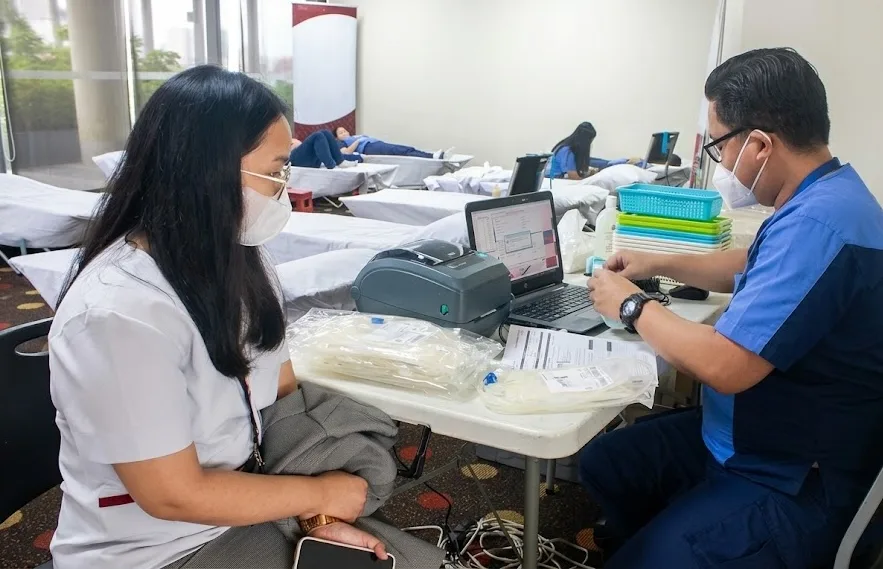
GENERAL SANTOS CITY - Reliable blood services require careful coordination among hospitals, blood centers, and healthcare providers. During the regional meetings held in General Santos City, participants reviewed blood collection, storage, distribution, and donor recruitment strategies while identifying ways to improve cooperation across SOCCSKSARGEN. Discussions also focused on maintaining quality standards and ensuring that blood products remain available when patients need them most. Strong coordination helps hospitals respond more effectively during routine medical procedures as well as emergencies. Continuous planning strengthens the entire regional healthcare system while benefiting communities throughout the region.
Supporting Hospitals Beyond City Boundaries
General Santos City's healthcare facilities serve patients from many neighboring municipalities and provinces. Efficient blood service management therefore has an impact that extends well beyond the city's borders. By improving communication between blood banks and healthcare institutions, medical facilities can better manage supply levels while responding to changing patient needs. Quality assurance also helps maintain public confidence in blood donation programs. Investments in healthcare coordination contribute to a system that is better prepared for surgeries, trauma cases, maternal healthcare, and other medical situations requiring timely blood availability.
Preparedness Strengthens Public Health
Healthcare systems become more resilient when planning continues even outside emergency situations. Regular collaboration among hospitals, government agencies, and blood service providers creates opportunities to improve procedures before challenges arise. Public awareness campaigns, volunteer donor recruitment, and continuous professional training all contribute to a safer and more reliable healthcare network. As General Santos City continues supporting initiatives that strengthen blood services, it reinforces its position as a center for quality healthcare while helping ensure that lifesaving resources remain available whenever communities need them.