Bringing Different Groups Into One Water Strategy
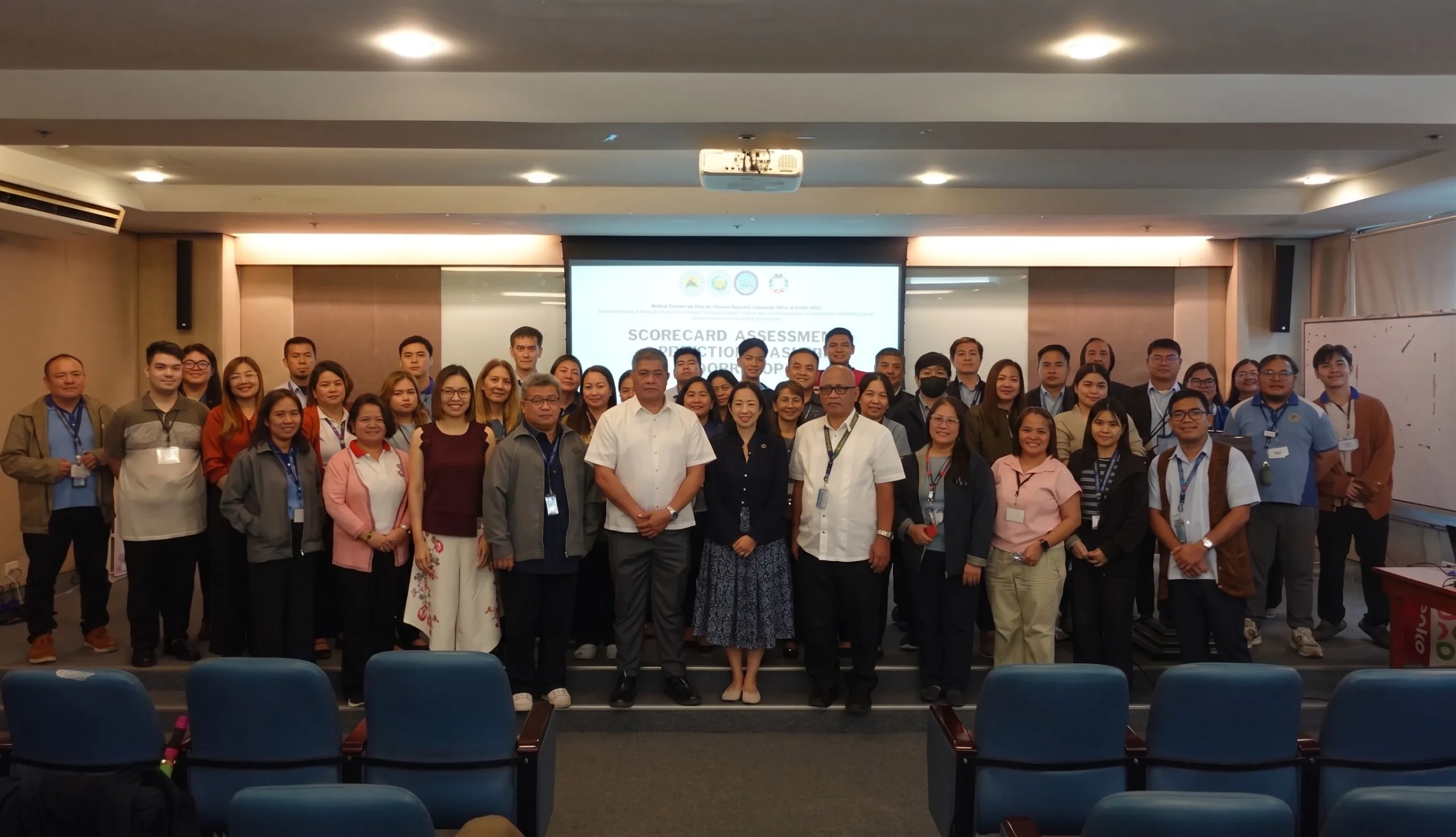
GENERAL SANTOS CITY - Managing water resources is rarely something one organization can accomplish on its own. It involves understanding consumption, protecting natural sources, monitoring water quality, and encouraging communities to use water responsibly. GEWN brings together institutions with different areas of expertise to work toward these goals. According to Notre Dame of Dadiangas University, the network includes academic institutions, government agencies, the local water district, NGOs, and civic organizations. This collaborative structure gives General Santos City an opportunity to approach water security from several directions instead of focusing on only one aspect of the problem.
Making Water Conservation Part of Everyday Life
One of the network’s initiatives involves Water Demand Management, which focuses on understanding water use and identifying ways to reduce unnecessary consumption. Training and forums have been used to help members examine water footprints and develop strategies for more responsible water use. This approach is significant because water security is not only about finding additional sources. It also involves managing existing resources carefully. If residents, businesses, institutions, and other users become more conscious of how much water they consume, conservation can become part of everyday practices rather than something considered only during periods of shortage.
Protecting the Areas That Help Supply Water
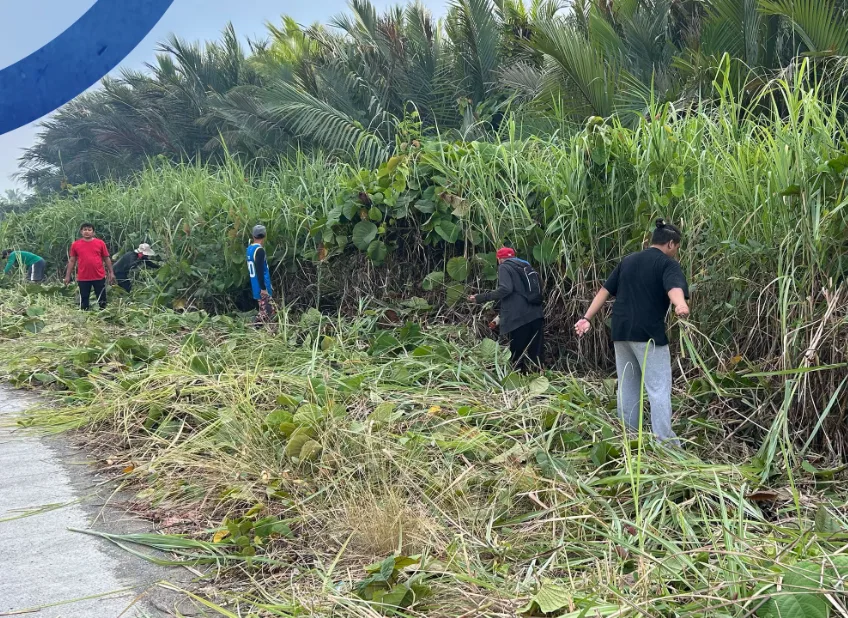
Water security also begins far from the household tap. Watersheds, forests, rivers, and upland ecosystems can influence the availability and quality of water downstream. GEWN has assessed conservation opportunities at the City Watershed Conservation and Agroforestry Center in Barangay Olympog, including its potential as a protected area. The assessment reflects a broader understanding of water management: protecting natural environments can be an important part of protecting future water resources. Developing conservation areas could also provide opportunities for environmental education and biodiversity protection if supported by appropriate planning and community participation.