Strengthening Veterinary Services Through Supplies
GENERAL SANTOS CITY - Veterinary programs require dependable access to medicines and other medical supplies. Without adequate stocks, animal-health personnel can face limitations when responding to cases that require treatment or preventive intervention. General Santos City's 2026 procurement package covers a broad range of veterinary products, including injectable medicines, antibiotics, vitamins, supplements, and other animal-health supplies. The procurement was requested by the City Veterinarian Office and was included in the city's approved 2026 Annual Procurement Plan. The procurement process was completed through competitive bidding, with individual items awarded to K-9 Veterinary Services in June 2026. By July, the city's procurement records showed the preparation of the purchase order and related contract documents.
Rabies Prevention Receives a Major Share
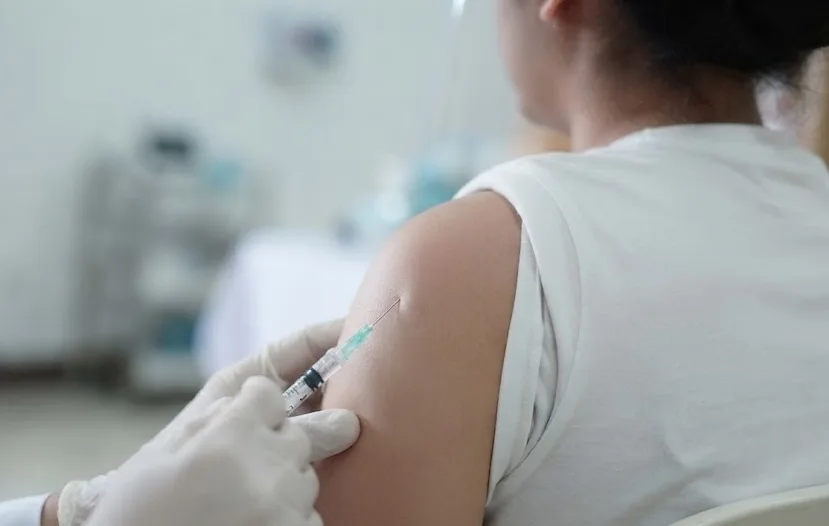
One of the most notable items in the procurement package is the rabies vaccine. The purchase request lists 6,105 vials of killed rabies vaccine, with each vial intended for 10 doses and accompanied by individual tagging and vaccination certificates. The estimated cost for this item alone is ₱2.93 million, making it the largest single component listed in the purchase request. This is significant because vaccination is a key component of rabies prevention. The procurement record does not establish exactly how many animals will ultimately be vaccinated or how the vaccines will be distributed throughout General Santos City. Nevertheless, the quantity and funding assigned to the vaccine demonstrate that rabies prevention forms a substantial part of the city's planned animal-health procurement.
Animal Care Can Also Support Community Safety
Veterinary services have implications beyond individual pet owners. Rabies and other animal-related health concerns can become community issues when affected animals interact with people or other animals. Maintaining access to veterinary medicines and vaccines gives local authorities resources they can potentially use for appropriate prevention and response activities. The procurement package also includes medicines that can support treatment and veterinary procedures for different animals. Its range of products suggests that the city's animal-health work is not limited to one species or one type of veterinary concern. Instead, the procurement provides a broader supply base for the City Veterinarian Office's activities.