Safety Begins With a Careful Assessment
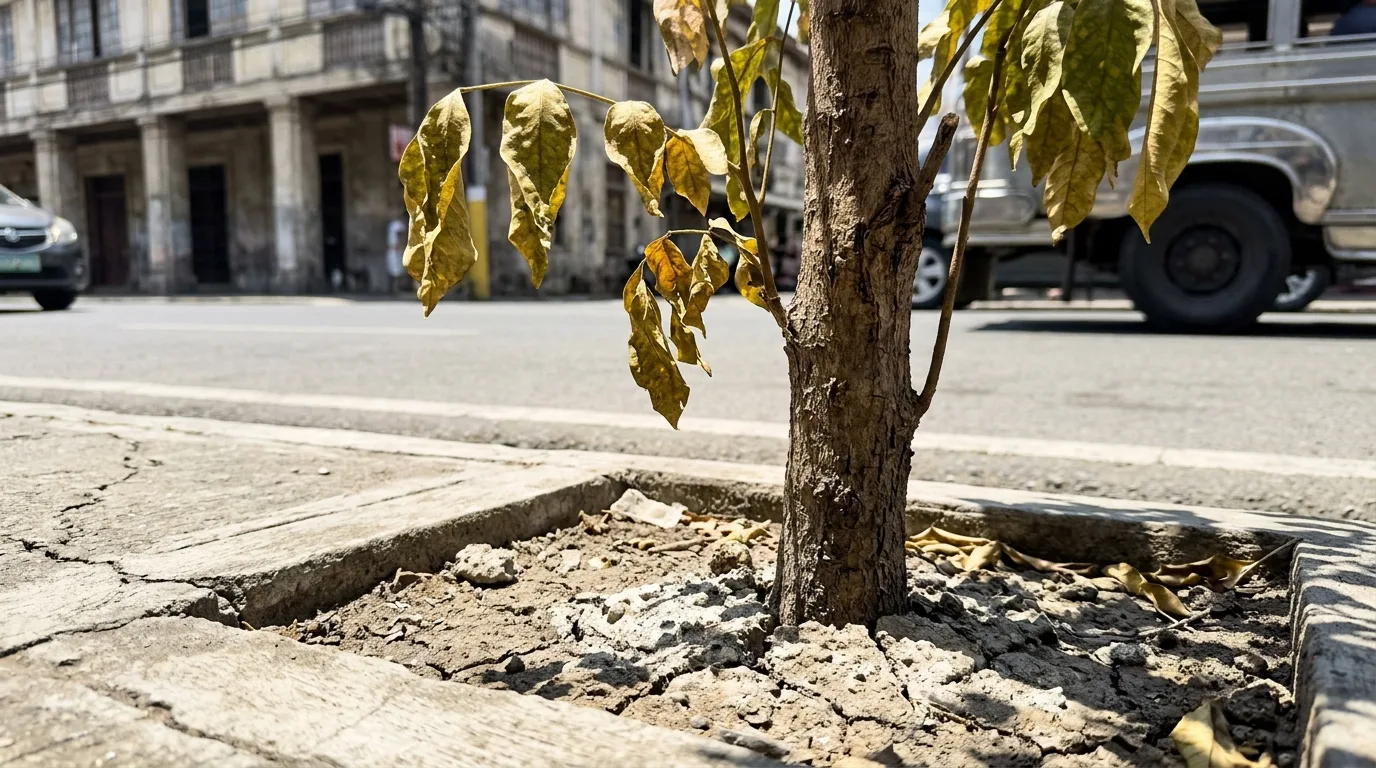
GENERAL SANTOS CITY- A tree should not be removed simply because it drops leaves, blocks a view, or occupies space within a school compound. Its condition, location, structural stability, and possible risks to classrooms, walkways, and other facilities should first be examined. When a tree is damaged, diseased, or considered a potential hazard, the school can coordinate with the appropriate environmental authorities for guidance. This approach helps distinguish between trees that need attention and those that can continue providing shade and environmental benefits.
Understanding the Permit Before Any Cutting
The Department of Environment and Natural Resources (DENR) includes a specific service for issuing tree-cutting permits for planted and naturally growing trees in public places, including school premises, when removal is necessary for public safety. Its Citizen’s Charter lists an application letter, an endorsement or certification of no objection from the concerned local government unit, and, for schools or organizations, a Parent-Teacher Association resolution or a resolution from an organized group stating the reason for cutting and its lack of objection. These requirements show why schools should secure the necessary authorization before proceeding with tree removal. The DENR's published process also includes an inspection and review, reinforcing the importance of documented assessment rather than immediate cutting.
Keeping School Grounds Green After Necessary Removal
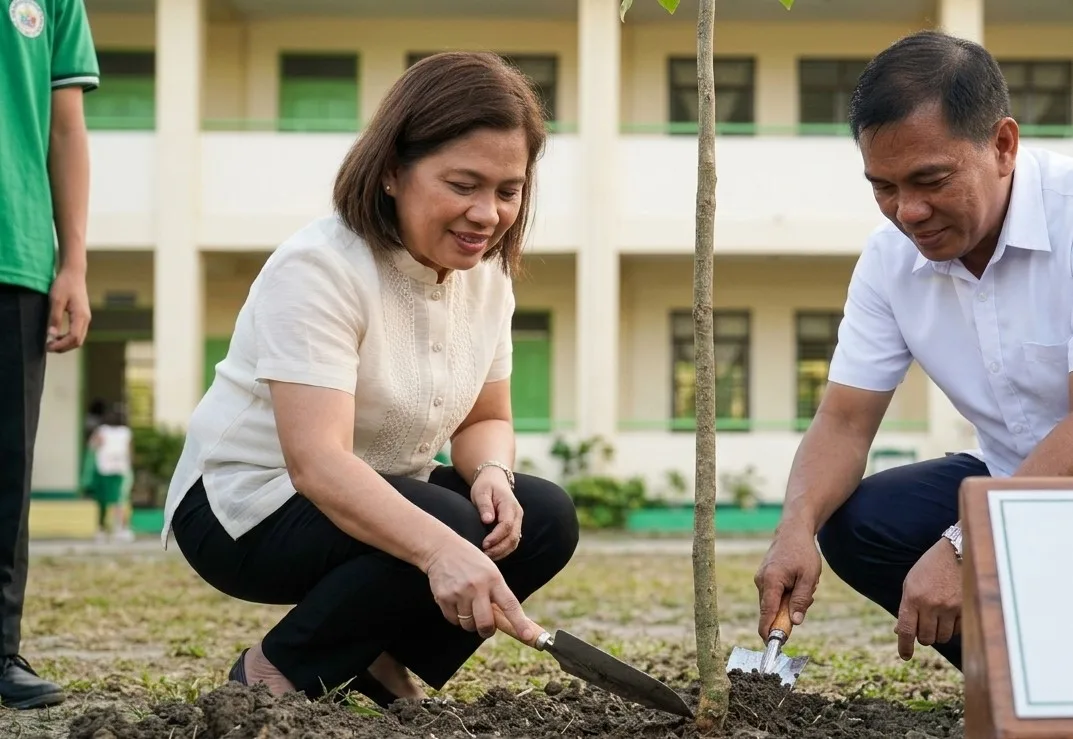
Responsible tree management does not end when a hazardous tree is removed. Schools can continue caring for their surroundings through regular inspections, proper pruning where appropriate, and planting suitable replacement trees in safe locations. The selection of tree species and planting areas should consider available space, root growth, overhead structures, and the needs of students and school facilities. By combining safety measures with long-term greenery programs, schools in General Santos City can help maintain outdoor spaces that are both welcoming and suitable for learning.