The Journey of a Container Does Not End After Lunch
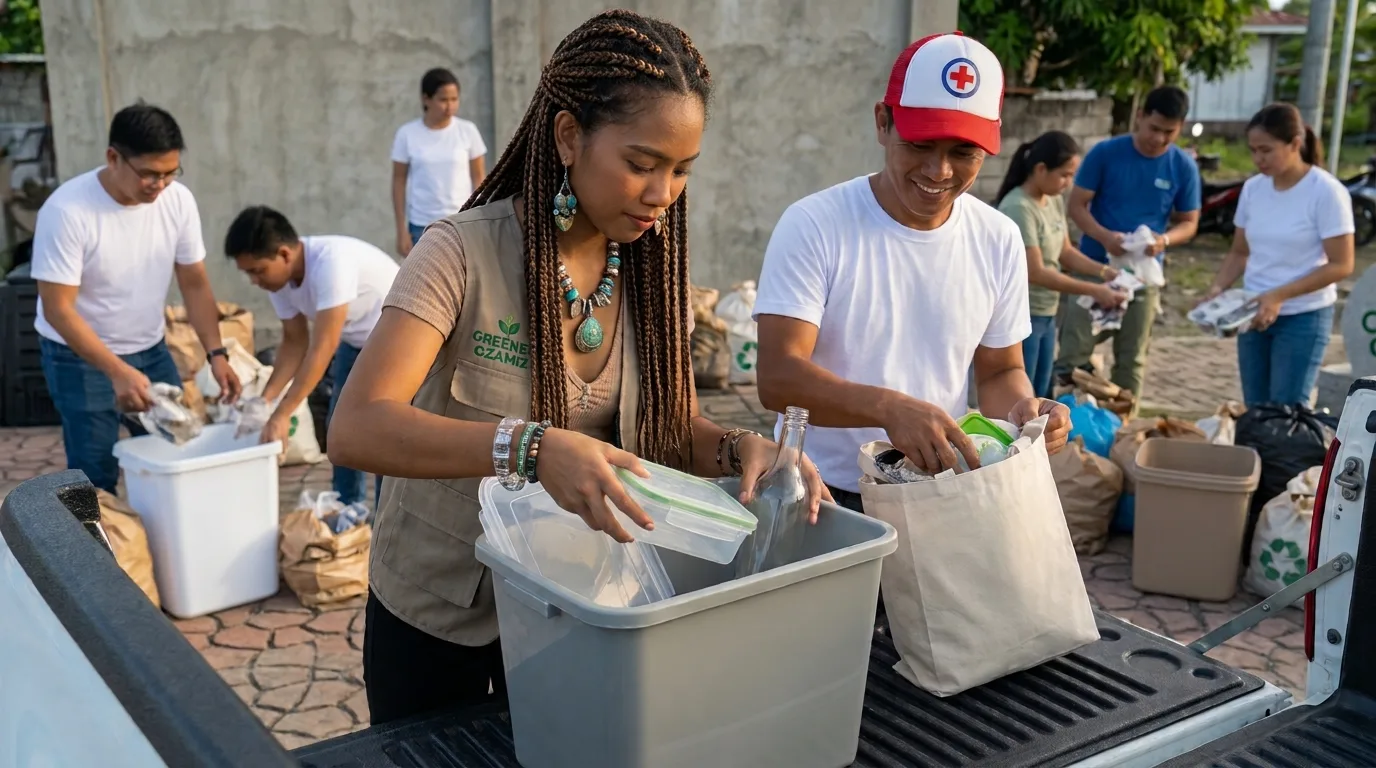
OZAMIZ CITY- A takeout container has a short job at the dining table but a much longer journey after disposal. Plastic bowls, lids, cups, and food wrappers can become part of the community's waste stream, particularly when different materials are mixed together or discarded improperly. The Philippine National Plastic Action Roadmap 2026–2040, released on September 30, 2026, emphasizes preventing plastic pollution through better packaging design, responsible consumption, reuse, and improved recovery systems. Its approach recognizes that dealing with packaging waste should begin before products become rubbish. For Ozamiz, this makes everyday food packaging an important subject in conversations about responsible consumption.
Choosing Packaging That Works Beyond Appearance
Eco-friendly packaging should be judged by more than its natural-looking color or the words printed on its label. Paper-based boxes, properly designed recyclable containers, and reusable food carriers each have different advantages and limitations depending on the meal, available waste facilities, and how the packaging is handled. Containers must also protect food from spills and contamination, particularly when customers order meals with soup, sauces, or other liquids. The Philippine Institute for Development Studies, in its March 2026 policy note on circular economy pathways, emphasizes the need to strengthen waste reduction, recycling, and locally appropriate environmental solutions. This means food businesses can make more thoughtful choices by considering the entire life of their packaging rather than focusing on appearance alone.
Small Changes Can Give Takeout a Greener Future
Making takeout more sustainable does not necessarily require customers to abandon disposable packaging overnight. Food establishments can explore right-sized containers, avoid unnecessary extra wrapping, offer reusable options where practical, and provide clear instructions for separating recyclable materials. Customers can also participate by bringing suitable reusable food containers when establishments permit them and by disposing of packaging according to local collection guidelines. The Extended Producer Responsibility Act of 2022 further recognizes the responsibility of covered producers to reduce and recover plastic packaging waste. When businesses, consumers, and packaging producers consider their respective roles, even an ordinary food order can become an opportunity to support a more resource-conscious way of livin