A Hidden Community Beneath Every Garden
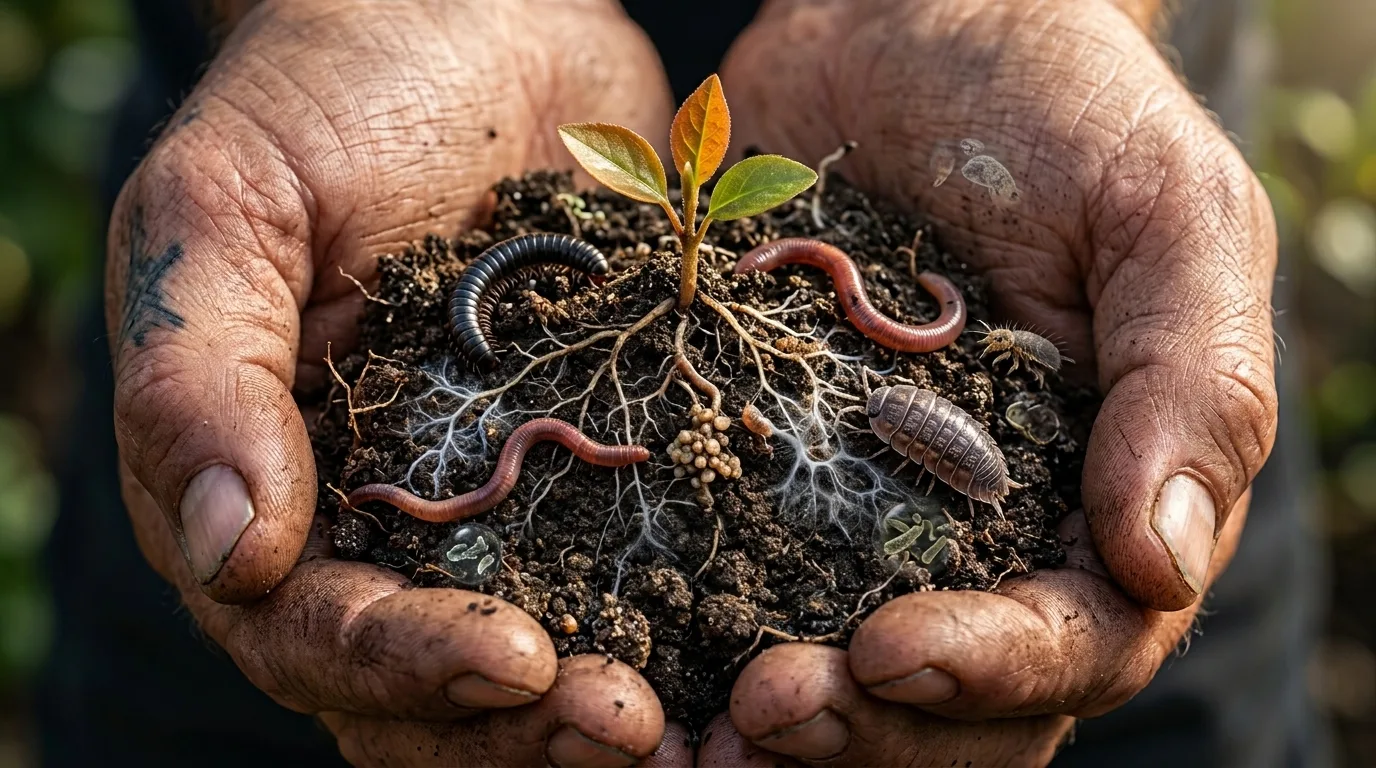
OZAMIZ CITY- Healthy soil is more than a mixture of dirt, water, and minerals; it is a complex ecosystem filled with organisms that perform different environmental functions. Earthworms help break down organic materials and create spaces that allow air and water to move through the soil, while microscopic bacteria and fungi contribute to the decomposition of fallen leaves and other natural matter. Smaller creatures, including mites and other soil-dwelling organisms, also participate in the movement and breakdown of organic materials. These interconnected activities help return nutrients to the ground, making them available for plants and other living things. For Ozamiz City, understanding this underground community provides an opportunity to appreciate the ecological importance of gardens, agricultural land, and other green spaces.
Tiny Workers With an Important Environmental Job
The importance of soil biodiversity is increasingly receiving attention in Philippine agricultural research. In May 2026, the Department of Agriculture–Bureau of Soils and Water Management highlighted soil biodiversity management and restoration as one of the major themes of its annual Research for Development review. The research discussions included soil fertility, organic-based management, soil carbon, and climate-resilient agricultural systems. These subjects demonstrate why soil organisms deserve attention: their activities are connected to the natural processes that sustain productive and healthy land. Protecting these organisms through responsible land management can help maintain the biological functions that support both agriculture and the wider environment.
Protecting the Ground That Supports Future Generations
Caring for soil biodiversity begins with everyday environmental practices, including keeping organic waste out of waterways, using properly decomposed compost, maintaining plant cover, and avoiding unnecessary chemical applications. Organic agriculture training conducted by the Agricultural Training Institute–Regional Training Center X in July 2026 included composting and vermiculture, with participants from Misamis Occidental among those involved. Vermiculture, which uses earthworms to process biodegradable materials, demonstrates how small organisms can contribute to practical waste management and soil improvement. Such approaches offer useful lessons for gardeners, agricultural communities, and households in Ozamiz City interested in more sustainable ways of caring for the land. By recognizing the value of life beneath the surface, communities can give greater attention to the natural processes that help keep their surroundings green and productive.