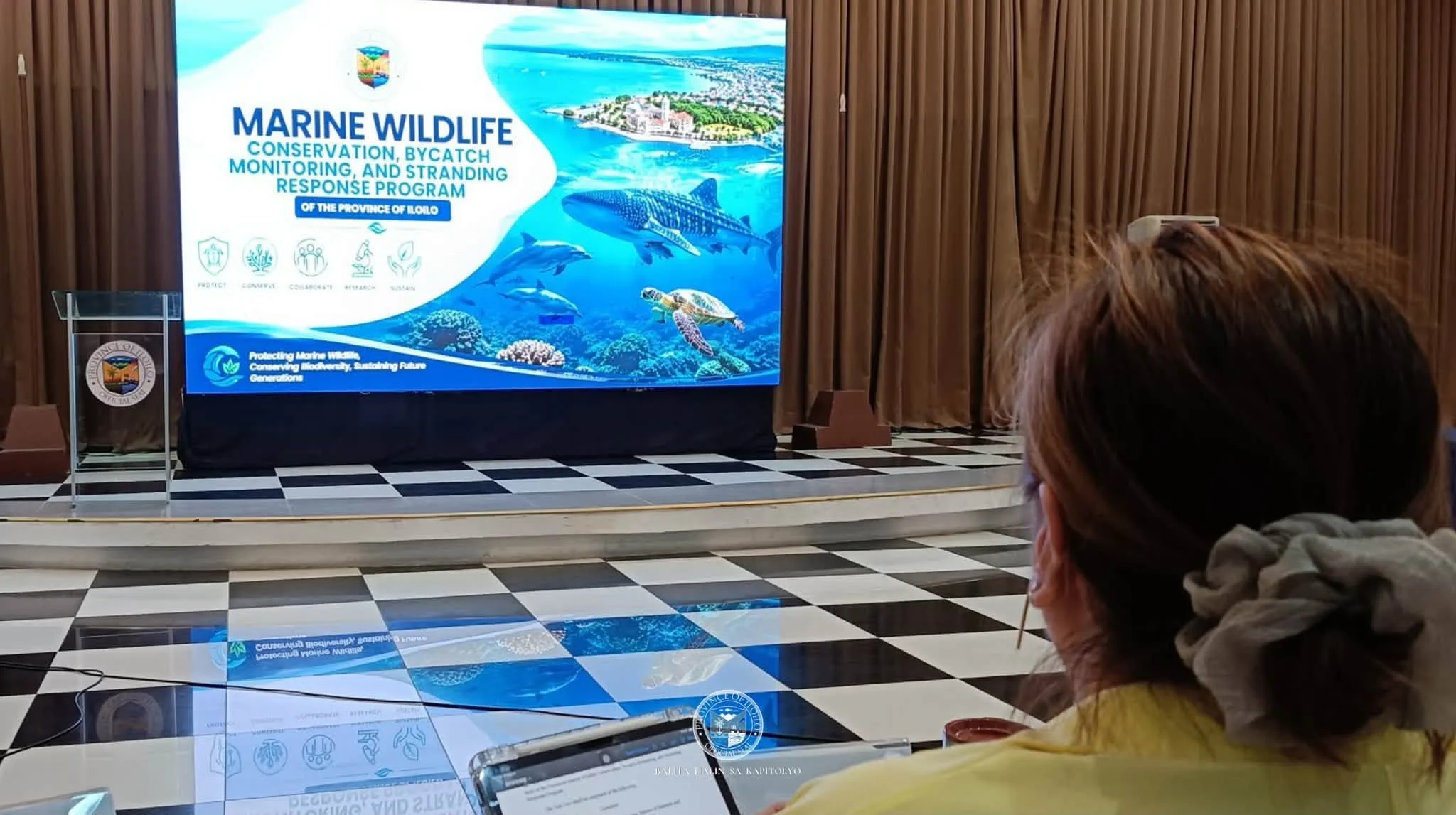
ILOILO — The Iloilo Provincial Government has launched the full implementation of Executive Order No. 72, Series of 2026, establishing a comprehensive marine wildlife conservation and monitoring program. The initiative aims to protect coastal biodiversity while securing the province's vital seafood export industry.
Why This Program Matters
The program addresses a direct threat to Iloilo's blue swimming crab industry. The United States National Marine Fisheries Service had flagged the Philippines for failing to meet Marine Mammal Protection Act standards. This led to restrictions on Philippine crab meat imports, hitting coastal communities hard.
The U.S. assessment identified critical gaps in marine mammal bycatch monitoring and reporting. Without a standardized system to document incidents and implement conservation measures, the export market faced disruption. Iloilo's coastal municipalities, particularly those processing blue crab for American markets, felt the impact immediately.
Governor Arthur Defensor Jr.'s administration responded with Executive Order 72, creating a structured framework to address these international compliance issues. The program is anchored on the province's "MoRProGRes Iloilo" framework for resilient, progressive, and eco-friendly development. It directly links environmental protection to economic survival.
A Task Force for Action
The implementation meeting introduced the Task Force members driving the program. Governor Defensor chairs the task force, which includes the Bureau of Fisheries and Aquatic Resources (BFAR), the Department of Environment and Natural Resources (DENR), the Philippine Coast Guard, and academic partners.
The University of the Philippines Visayas and the Southeast Asian Fisheries Development Center (SEAFDEC) bring scientific expertise to the effort. Mayors from all 19 coastal municipalities are also members, ensuring grassroots coordination. This multi-sectoral approach is essential for addressing complex marine conservation challenges.
From Policy to Market Access
The program establishes three key operational systems. A Marine Wildlife Reporting and Notification System will standardize incident documentation. A Marine Wildlife Incident Command System will guide emergency responses to strandings and rescues. A centralized Marine Wildlife Information System will track scientific data and bycatch reports.
These mechanisms are designed to demonstrate the Philippines' commitment to international conservation standards. By addressing U.S. concerns about bycatch monitoring and reporting, Iloilo positions itself to regain and expand market access. The program protects both endangered marine species and the livelihoods of thousands of coastal families.
A Model for Sustainable Growth
BFAR Region VI Regional Director Remia Aparri commended the provincial government for its proactive initiative. The framework serves as a potential model for other coastal provinces facing similar trade and environmental pressures. It proves that economic development and ecological stewardship can work together.
The legal enforcement component adds teeth to the program. The Provincial Legal Office will handle compliance and prosecution for violations of environmental and fishery laws. This ensures that the framework is not merely aspirational but backed by real accountability.