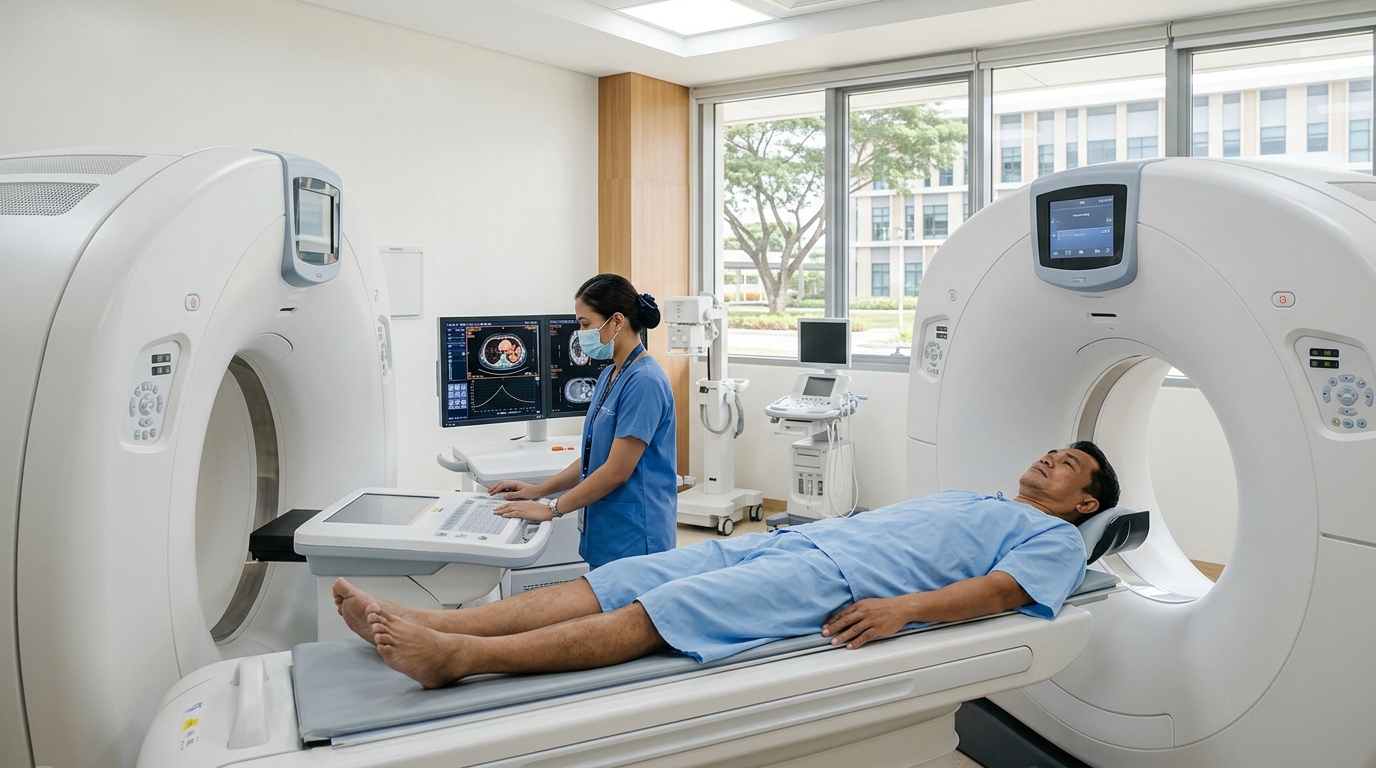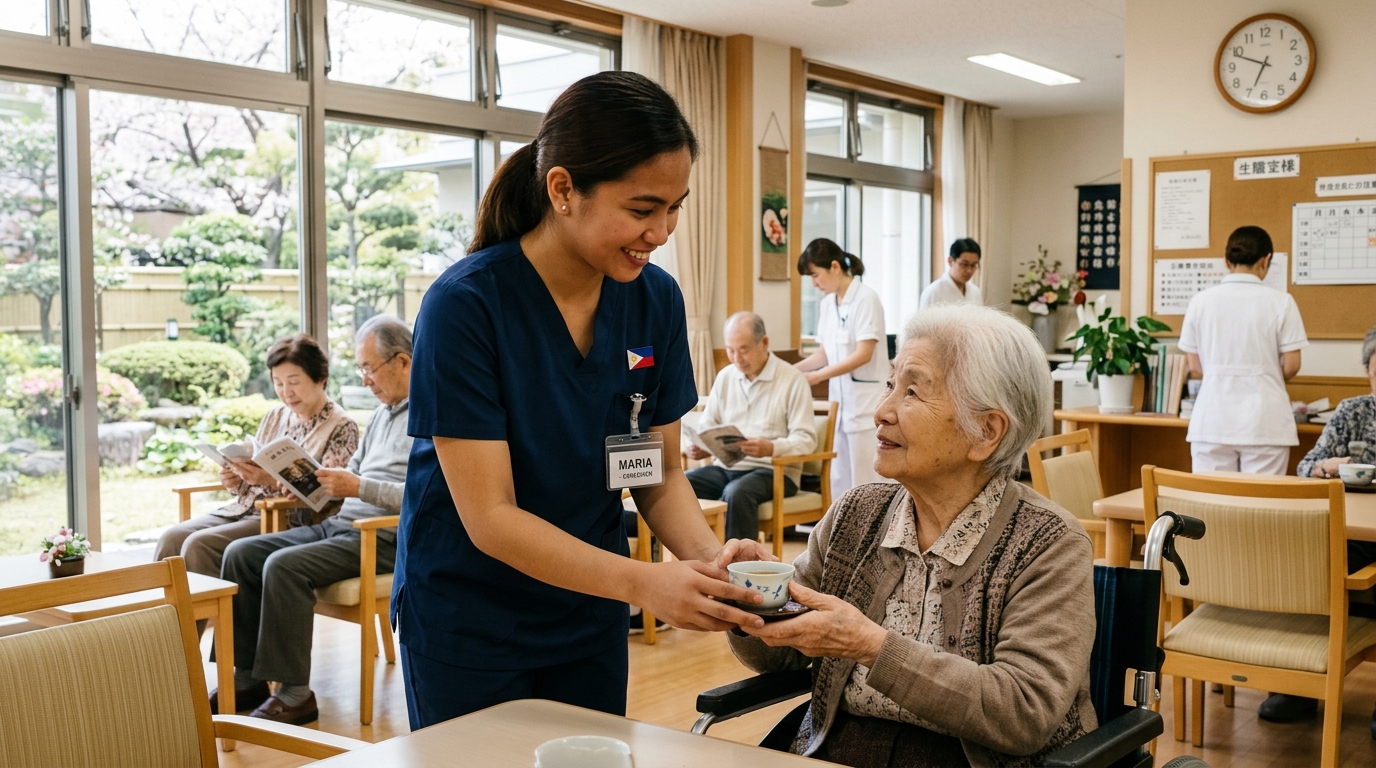
Japan — A new group of 211 Filipino nurses and care workers is preparing for deployment to Japan, responding to the East Asian nation's escalating demand for skilled healthcare professionals. This latest contingent underscores the ongoing partnership between the Philippines and Japan in addressing critical labor shortages within the Japanese healthcare sector, which is grappling with an aging population and declining birth rates.
Sustaining Eldercare Infrastructure Amid Rapidly Aging Populous Shift
The arrival of these professionals is a direct response to Japan's demographic shift, where a rapidly aging society requires a robust workforce to support its elder care and medical services. Filipino healthcare workers are highly sought after for their proficiency, compassion, and English language skills, making them well-suited for roles in Japanese hospitals and care facilities. This continuous flow of talent from the Philippines not only fills vital vacancies in Japan but also provides significant career advancement opportunities for Filipinos seeking international experience and competitive remuneration.
Maximizing Direct Household Remittances and Fortifying Bilateral Ties
This deployment represents more than just job placements; it signifies a critical economic lifeline for many Filipino families. Overseas Filipino Workers (OFWs) are a cornerstone of the Philippine economy, with remittances forming a substantial portion of the nation's GDP. For these 211 individuals, the move to Japan offers stable employment, improved living conditions, and the capacity to provide better for their loved ones back home in the Philippines. Furthermore, it reinforces the Philippines' reputation as a reliable source of highly capable and dedicated healthcare personnel on the global stage, strengthening bilateral ties with Japan.
Mastering Specialized Language Competencies and Securing Government Pathways
For Filipinos considering overseas employment, particularly in Japan's healthcare sector, this news highlights a consistent demand for their skills. Aspiring nurses and care workers should focus on professional development, language proficiency—especially Japanese—and understanding the cultural nuances of working abroad. Government-to-government programs often offer structured pathways, ensuring fair recruitment practices and support systems for OFWs. Staying informed about official recruitment channels and preparation requirements is crucial for those looking to leverage these growing opportunities in Japan's expanding healthcare landscape.