From a National Program to Neighborhood Assistance
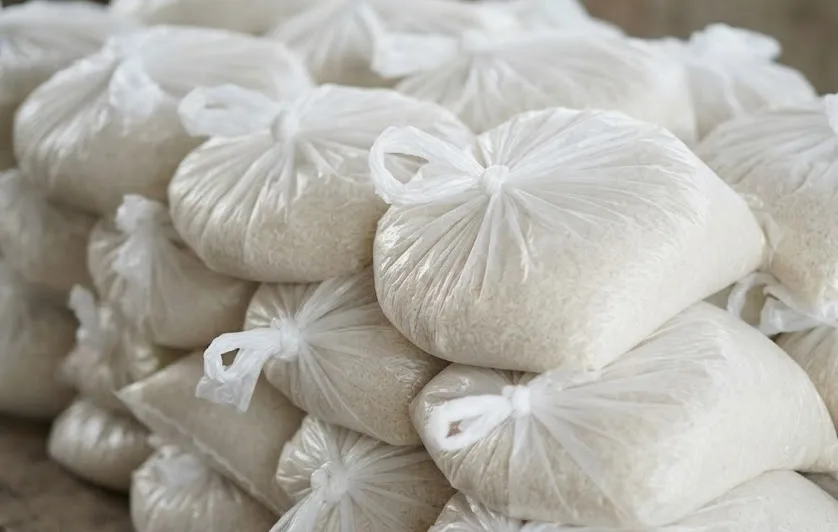
BACOLOD - The scale of the distribution shows that this is more than a community activity, reaching thousands of senior citizens across Bacolod City. PNA reported that 23,665 senior citizens in 14 barangays had already received 10 kilograms of rice each during the initial distribution. Bringing the assistance directly into individual barangays helps recipients avoid traveling to a citywide distribution point. For senior residents, this neighborhood-based approach can make government support more accessible, convenient, and easier to coordinate. It also allows officials to monitor distribution and respond more effectively to residents' needs.
Food Support Has an Everyday Impact
Rice is a basic household staple, so assistance in the form of rice addresses a practical need rather than providing a benefit that people might use only occasionally. The distribution forms part of the broader Bagong Pilipinas Rice Program, with the local implementation aimed at senior citizens in Bacolod. (pna.gov.ph) It also sits alongside other forms of assistance available to elderly residents, including social pensions and city-supported programs. Taken together, these services show how community support can involve several smaller interventions rather than relying on one program alone.
Why Barangay-Level Programs Matter
The story also highlights the importance of barangays in delivering city programs. Instead of viewing government assistance only through major city offices, residents can encounter these programs within the neighborhoods where they live. That can make social assistance feel more connected to everyday life, particularly for older residents who may find frequent travel inconvenient. Bacolod's rice distribution is therefore not simply a story about the quantity of rice being delivered; it is also about how a city organizes assistance so that large programs reach individual communities.