UPLIFT Assistance Reaches Bacolod Communities
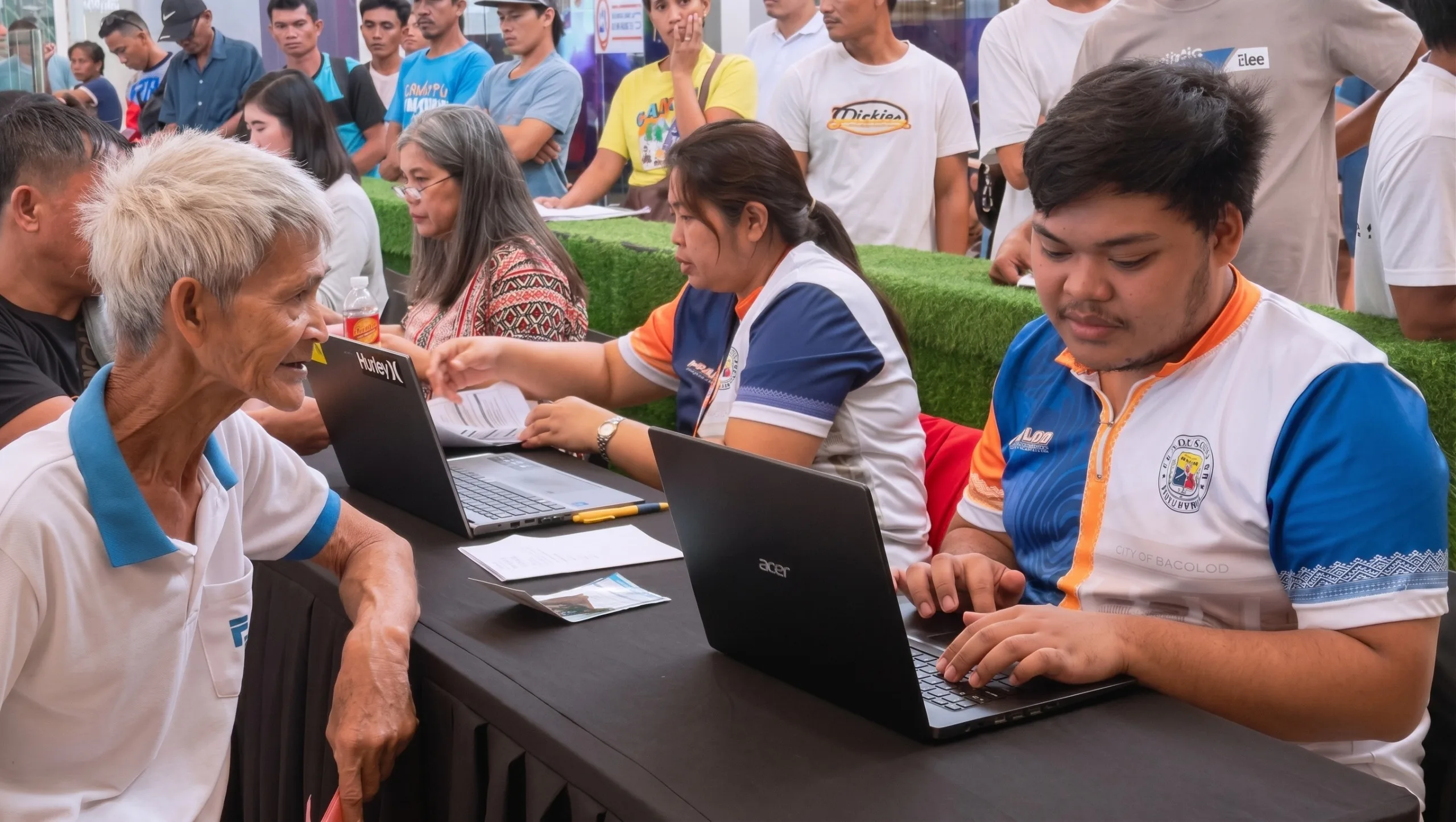
BACOLOD - Thousands of Bacolod residents have received assistance through the government's Unified Package for Livelihood, Industry, Food, and Transport (UPLIFT) program. The Department of Social Welfare and Development distributed cash assistance to 3,000 beneficiaries in Bacolod City on Aug. 10, providing support to residents who may be facing financial difficulties. The program is designed to bring social protection assistance closer to vulnerable communities and provide additional resources that beneficiaries can use for essential household needs. The distribution also demonstrates the government's continuing efforts to respond to economic pressures affecting low-income and vulnerable households.
Cash Support Provides Relief for Beneficiary Households
For families managing limited household budgets, additional financial assistance can provide temporary relief from everyday expenses. UPLIFT is intended to help beneficiaries address immediate needs while supporting their ability to cope with economic disruptions. Assistance programs such as this can be particularly valuable for households with irregular income or limited financial resources. By directing support toward identified beneficiaries, government agencies can provide assistance to communities that may be more vulnerable to sudden increases in living costs or other economic challenges. The Bacolod distribution therefore forms part of a wider social protection effort aimed at helping residents manage difficult financial circumstances.
Strengthening Social Protection at the Local Level
The rollout of UPLIFT in Bacolod highlights the importance of cooperation between national government agencies and local communities. Local implementation allows assistance programs to reach residents directly and gives government workers an opportunity to coordinate with beneficiaries and local officials. Such programs can also help connect vulnerable households with other government services that may address livelihood, employment, food security, and social welfare needs. A coordinated approach can make social protection more responsive by addressing different aspects of household vulnerability rather than relying on a single form of assistance.