A Recovery Story With a Practical Next Step
OZAMIZ CITY - For the 47 PWUDs identified in the Ozamiz initiative, livelihood support gives recovery a practical dimension. Having something productive to work toward can provide structure while helping beneficiaries explore ways of earning for themselves and their families. This approach is consistent with the wider direction of government rehabilitation programs, which increasingly connect recovery with employment and livelihood opportunities. In June 2026, the Philippine Drug Enforcement Agency reported that thousands of rehabilitation-program graduates nationwide had moved into employment or livelihood opportunities. The national experience shows why assistance after rehabilitation can matter: recovery becomes more meaningful when people have realistic ways to participate in everyday economic life.
When Skills Can Become a Source of Income
The Ozamiz initiative also fits into a larger pattern of livelihood assistance being used to help vulnerable Filipinos become more economically independent. In February 2026, DOLE Region X provided livelihood starter kits to beneficiaries in Ozamiz City, including packages for a taho vending business, sari-sari stores, and frozen products. While that program covered different beneficiaries, it demonstrates how livelihood assistance can translate government support into equipment, supplies, and a starting point for small enterprise. For PWUDs, the principle is similarly straightforward: instead of viewing recovery as an ending, practical economic opportunities can provide another reason to keep moving forward and developing useful skills.
A Second Chapter Built Around Dignity and Work
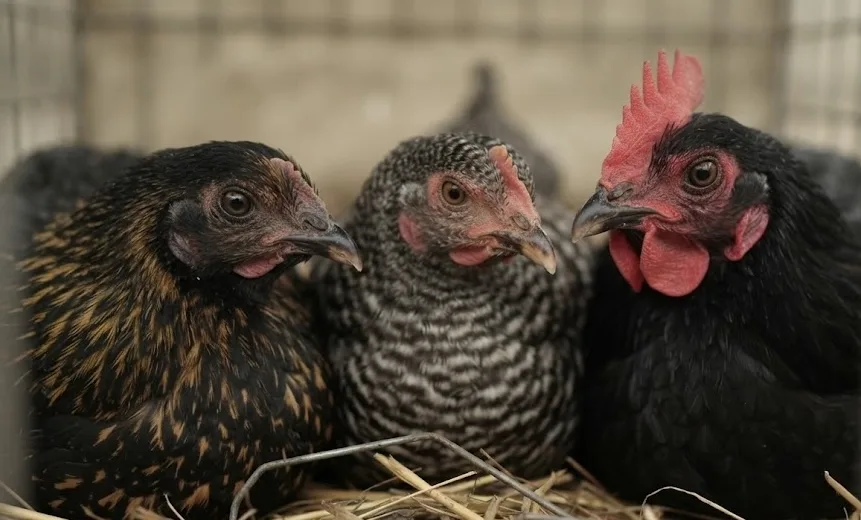
Ozamiz has also used livelihood assistance as part of its continuing support for people who have completed rehabilitation. Earlier programs in the city included livestock assistance for rehabilitated PWUDs, giving beneficiaries animals that could become the beginning of small income-generating activities. The 47-person initiative therefore carries a familiar but important idea into another stage: people rebuilding their lives need opportunities they can actually use. The goal is not simply to provide assistance once, but to help create conditions where beneficiaries can work, contribute to their households, and participate more fully in their communities. A livelihood cannot erase the past, but it can give a person something concrete to build toward.