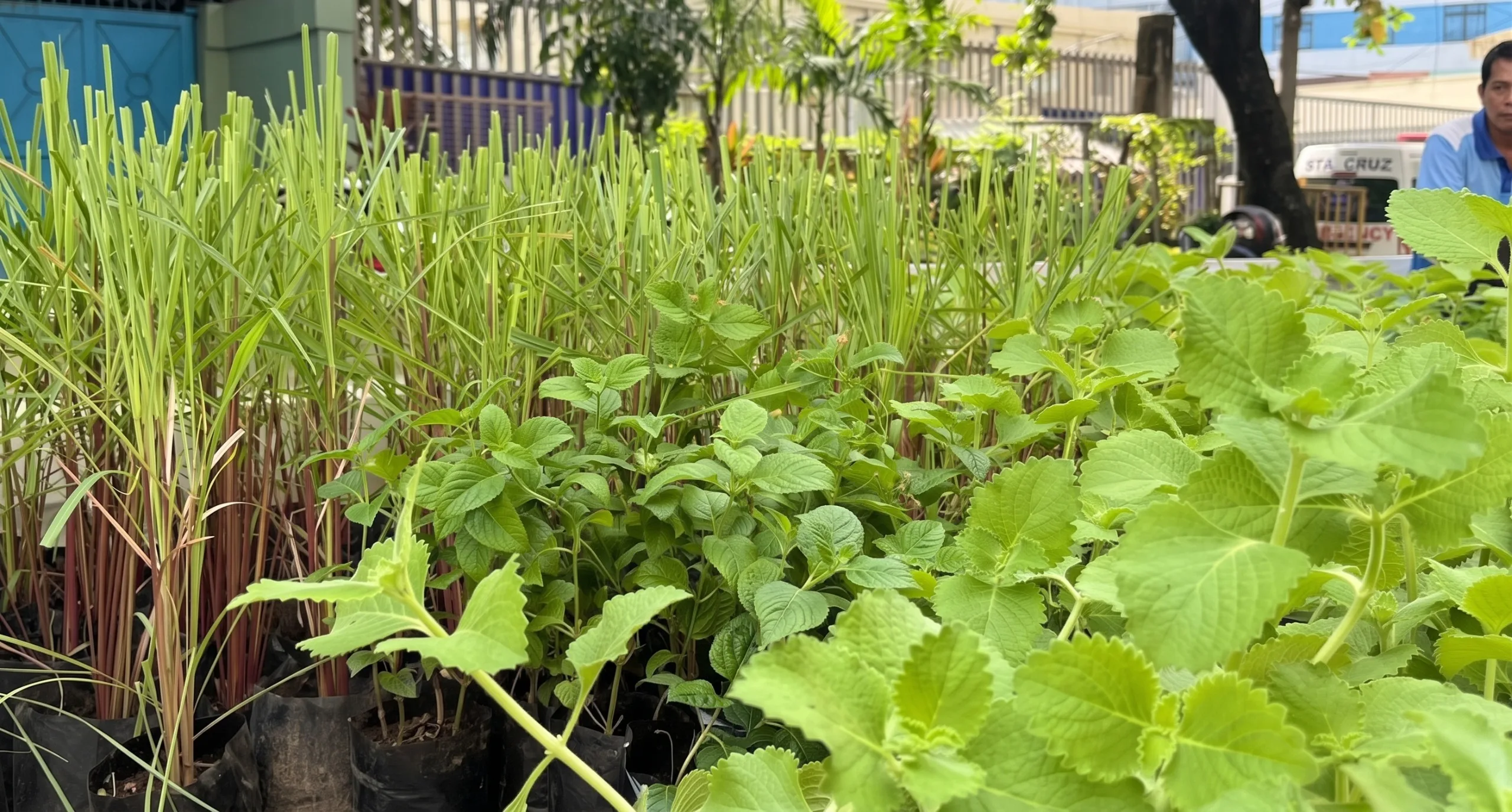
MAKATI CITY — The Makati Health Department and the Department of Environmental Services have taken a decidedly green approach to dengue prevention, distributing 340 mosquito-repellent plants to 106 households in Barangay Sta. Cruz. Oregano, Citronella, and Lantana were handed out to residents along Visita, Kakarong, Zapote, and Montojo streets. The initiative reflects a growing recognition that environmental management and public health are deeply interconnected. By reintroducing natural repellents into the urban landscape, Makati is reducing reliance on chemical interventions while empowering households to take an active role in disease prevention.
Harnessing Nature's Defenses Against Mosquitoes
The plants distributed by the city offer a sustainable and low-cost alternative to chemical insecticides. Citronella releases a strong, citrus-like scent that disrupts a mosquito's ability to locate human hosts, making it one of the most widely used natural repellents worldwide. Oregano contains thymol and carvacrol, compounds with documented insecticidal properties that help suppress pest populations when cultivated around the home. Lantana produces a distinctive aroma that mosquitoes avoid, adding a layer of protection through ornamental planting. Together, these species create a botanical barrier that works in tandem with cleanliness drives and fogging operations.
Tackling Dengue at Its Environmental Roots
Dengue transmission is fundamentally an environmental issue. The Aedes aegypti mosquito breeds in stagnant water found in containers, gutters, discarded tires, and other receptacles that accumulate during the rainy season. By targeting both adult mosquitoes through repellent plants and larval habitats through community clean-up efforts, Makati addresses the problem at multiple points in the mosquito life cycle. The city continues to promote the 4S strategy: Search and destroy breeding sites, Self-protection measures, Seek early consultation, and Say yes to fogging during outbreaks. The plant distribution adds a new dimension to this framework, giving residents a tangible and visually appealing tool for protecting their immediate surroundings.
A Greener Path Toward Community Resilience
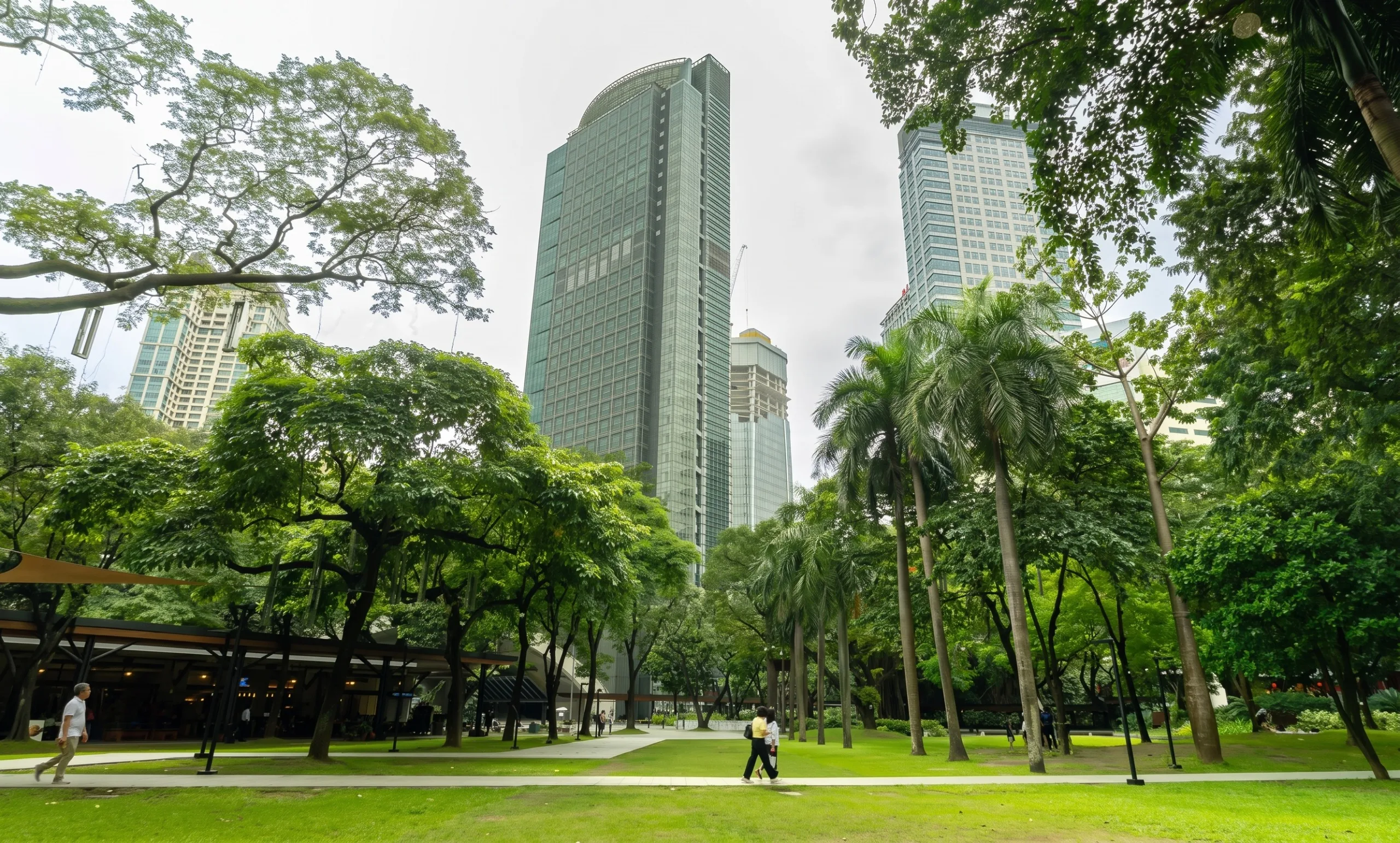
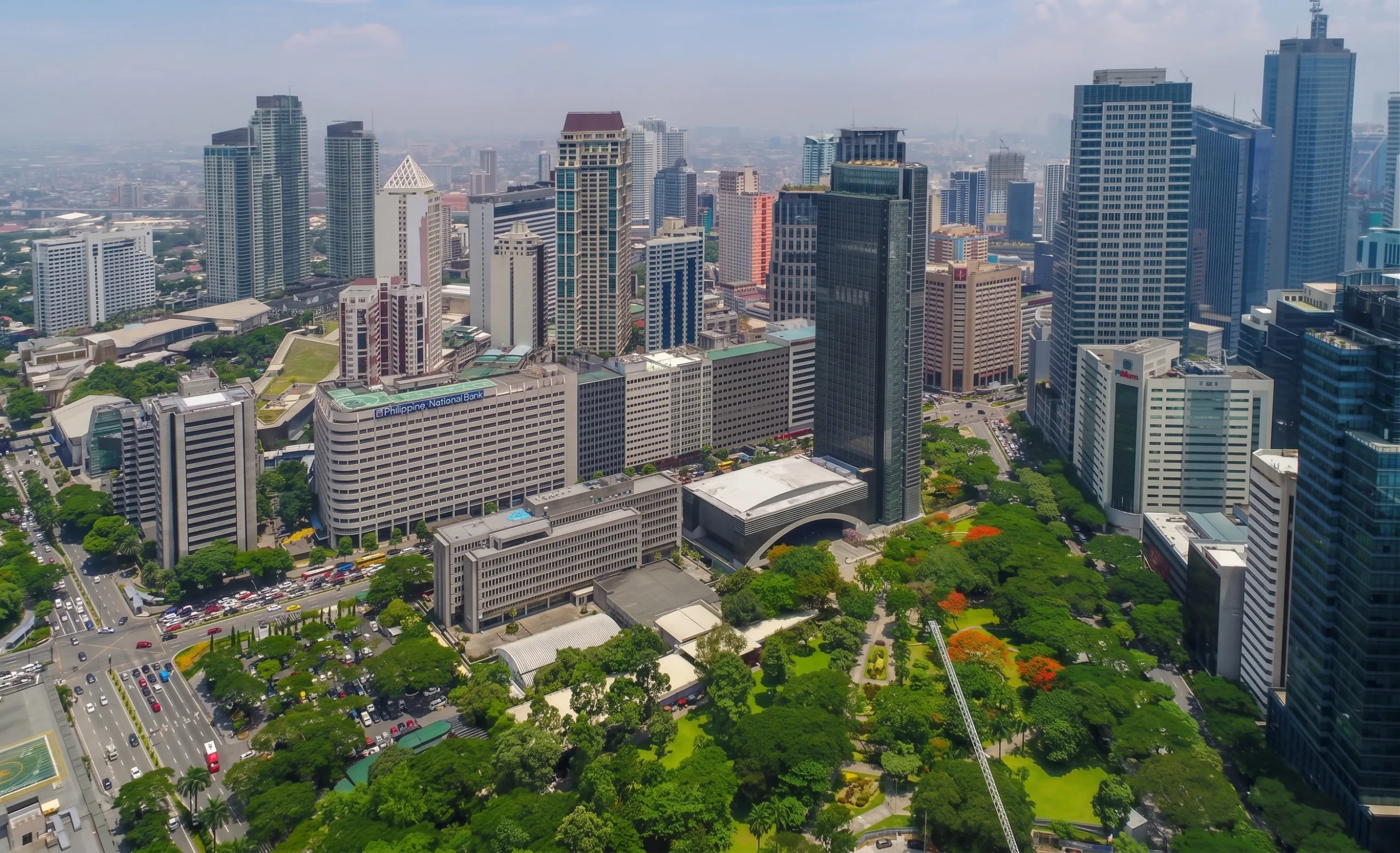
The program also contributes to the broader greening of Makati's urban environment. Households that plant Citronella, Oregano, and Lantana add greenery to their surroundings while gaining practical protection against mosquitoes. This dual benefit aligns with the city's sustainable development goals and demonstrates how ecological thinking can inform public health interventions. For Makati, the distribution of natural repellents is not only about combatting dengue but about cultivating a culture of environmental stewardship. When residents care for their plants and maintain clean surroundings, they participate in a cycle of care that benefits both people and the ecosystems they inhabit.