A Certificate With Economic Consequences
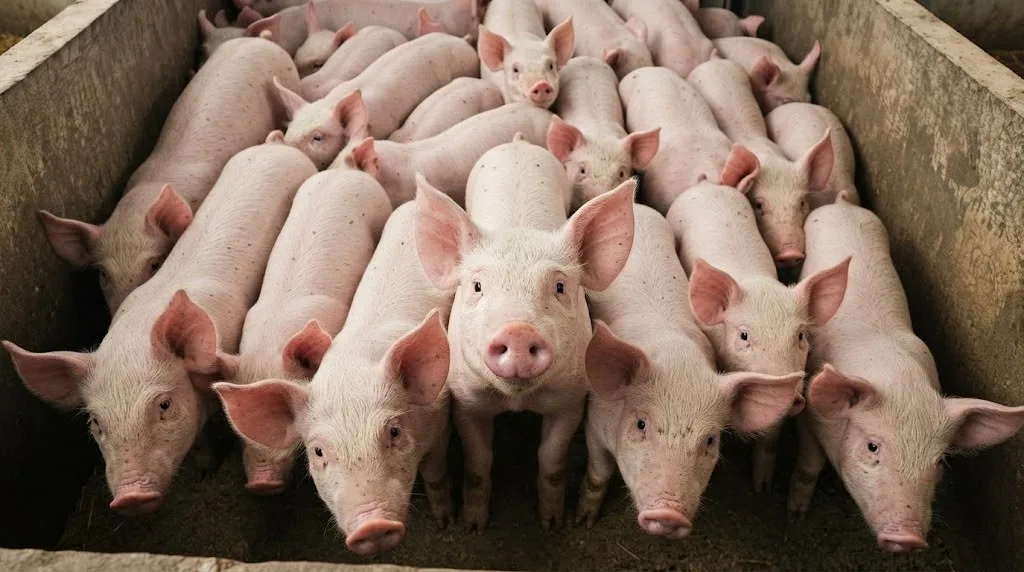
BACOLOD - Hinoba-an received recognition for its active surveillance against African swine fever from the Department of Agriculture's Bureau of Animal Industry. According to a July 18 Philippine News Agency report, Mayor Daph Reliquias said the municipality was expecting the recognition to encourage more buyers and shippers to purchase hogs from the area. The buyers mentioned in the report include traders from Iloilo, Aklan, Antique, Capiz, Cebu, and other parts of the Negros Island Region. For local hog raisers, broader buyer access could have a direct effect on the commercial side of raising livestock. When buyers have greater confidence in the health status of an area, producers may have more opportunities to participate in wider markets. The development also shows how agricultural health monitoring can become closely connected to the income of farming families and the movement of livestock across different provinces.
The Geography of the Market Is Bigger Than One Town
The report also noted that live-weight hog prices could improve as more buyers return to Hinoba-an. That expectation illustrates how animal-health monitoring can have consequences that reach into transportation, trading, and farm income. The story is particularly relevant to Negros because agricultural products frequently move across provincial and regional boundaries. In that sense, a town's biosecurity status can become part of a much larger supply chain. For hog raisers, the ability to sell to a wider group of buyers can make a difference in how quickly animals move from farms to markets. It can also help create more competition among buyers, which may contribute to better prices if demand increases. While the actual long-term effect will depend on market conditions and continued disease monitoring, Hinoba-an's recognition gives the local industry a more favorable position as it works to rebuild and expand commercial connections.
An Agricultural Story Worth Adding to a Negros Itinerary
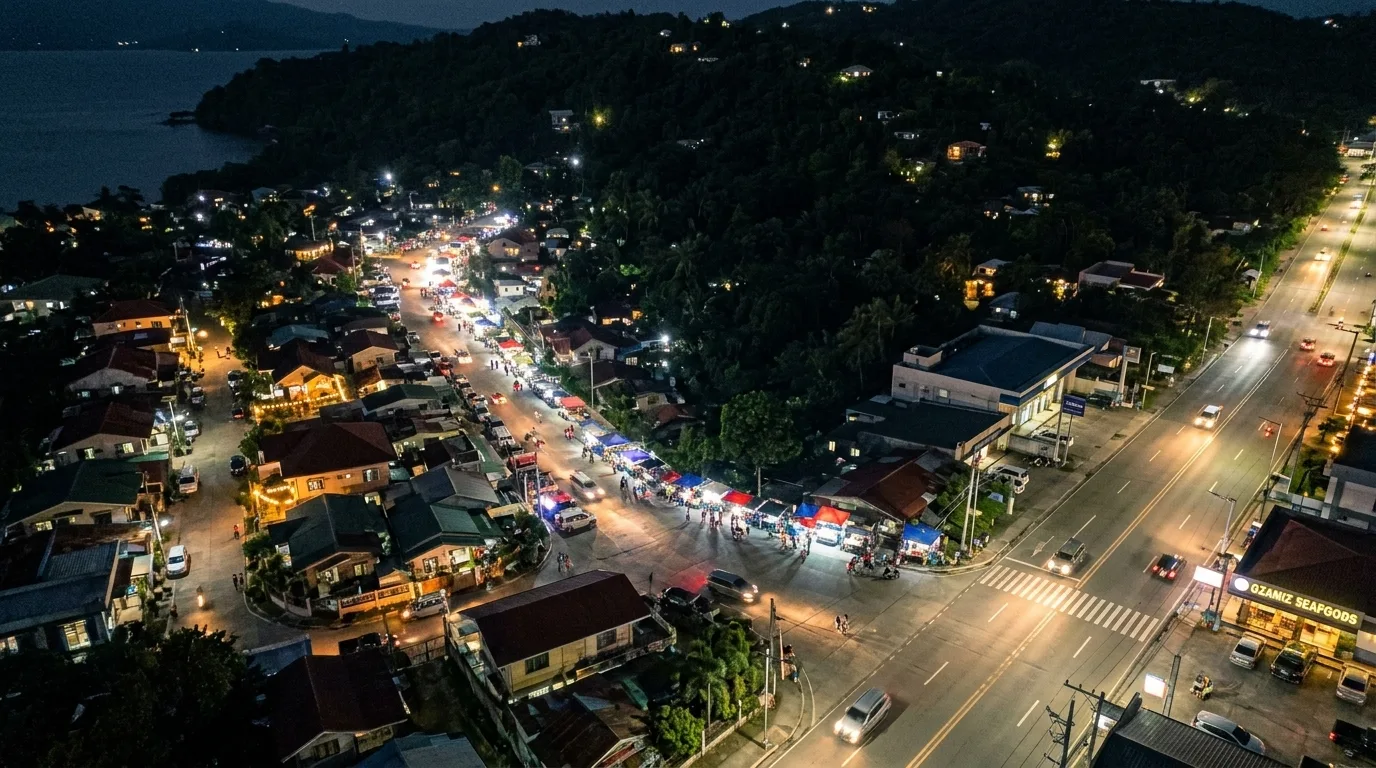
Visitors who explore Negros often encounter sugarcane landscapes and food destinations, but livestock production is another important part of the region's rural economy. Hinoba-an's experience provides a less familiar story about how disease surveillance and agricultural trade intersect. It also shows why the economic health of smaller municipalities can matter to the broader region. The hog industry may not have the same visibility as Negros' famous sugar plantations or food traditions, yet it remains part of the network of agricultural activities that supports local communities. Looking at this side of Negros also gives visitors a more complete picture of the province, where urban centers, farming towns, livestock producers, and trading communities are connected through the movement of goods and people.