MAKATI CITY — The City Government of Makati has made history as the first local government unit to partner with the DOST–Philippine Textile Research Institute (DOST-PTRI) in implementing Republic Act No. 9242, or the Philippine Tropical Fabrics (PTF) Law. The partnership, which calls for the use of locally sourced textiles in government uniforms, goes beyond fulfilling a legal requirement as it seeks to help revive the country’s textile industry and create opportunities for local communities. Through this initiative, Makati is demonstrating that sustainable and locally produced materials can play an important role in building a stronger and more progressive economy.
What to Expect from Philippine Tropical Fabrics
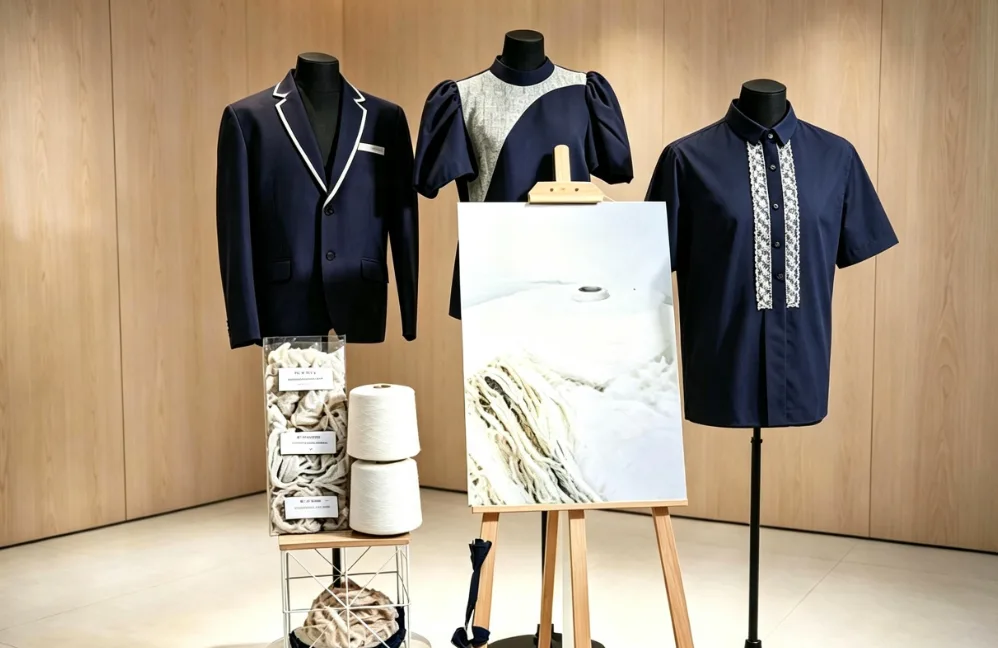
The fabrics that will be incorporated into Makati’s new government uniforms highlight both local resources and textile innovation. Philippine Tropical Fabrics use natural fibers derived from locally available materials, including pineapple leaves, abaca, banana, bamboo, cotton, and Philippine silk. Their use reflects a practical step toward promoting sustainable materials while supporting the country’s local textile sector. DOST-PTRI Director Julius L. Leaño, Jr. stressed that the initiative goes beyond compliance with the law, noting its potential to benefit farmers and weavers while helping revitalize the Philippine textile industry. By adopting these fabrics, Makati will support the farmers who produce the raw materials and the weavers who turn them into quality textiles, resulting in breathable, durable, and proudly Filipino-made uniforms for city employees.
The Best Reason to Invest in This Initiative
The adoption of Philippine Tropical Fabrics represents an investment in local workers, communities, and the broader Philippine economy. By purchasing uniforms made from locally sourced materials, Makati can help generate sustained demand throughout the textile value chain, benefiting farmers, weavers, garment producers, and small businesses. This increased demand can provide additional livelihood opportunities, strengthen local manufacturing, and encourage the growth of a more competitive textile industry. At the same time, the use of natural fibers can contribute to more sustainable production and help reduce reliance on conventional synthetic materials. For Makati, the initiative represents more than policy implementation; it is an opportunity to support Filipino innovation, strengthen local industries, and build a lasting legacy of “Filipinnovation.”