


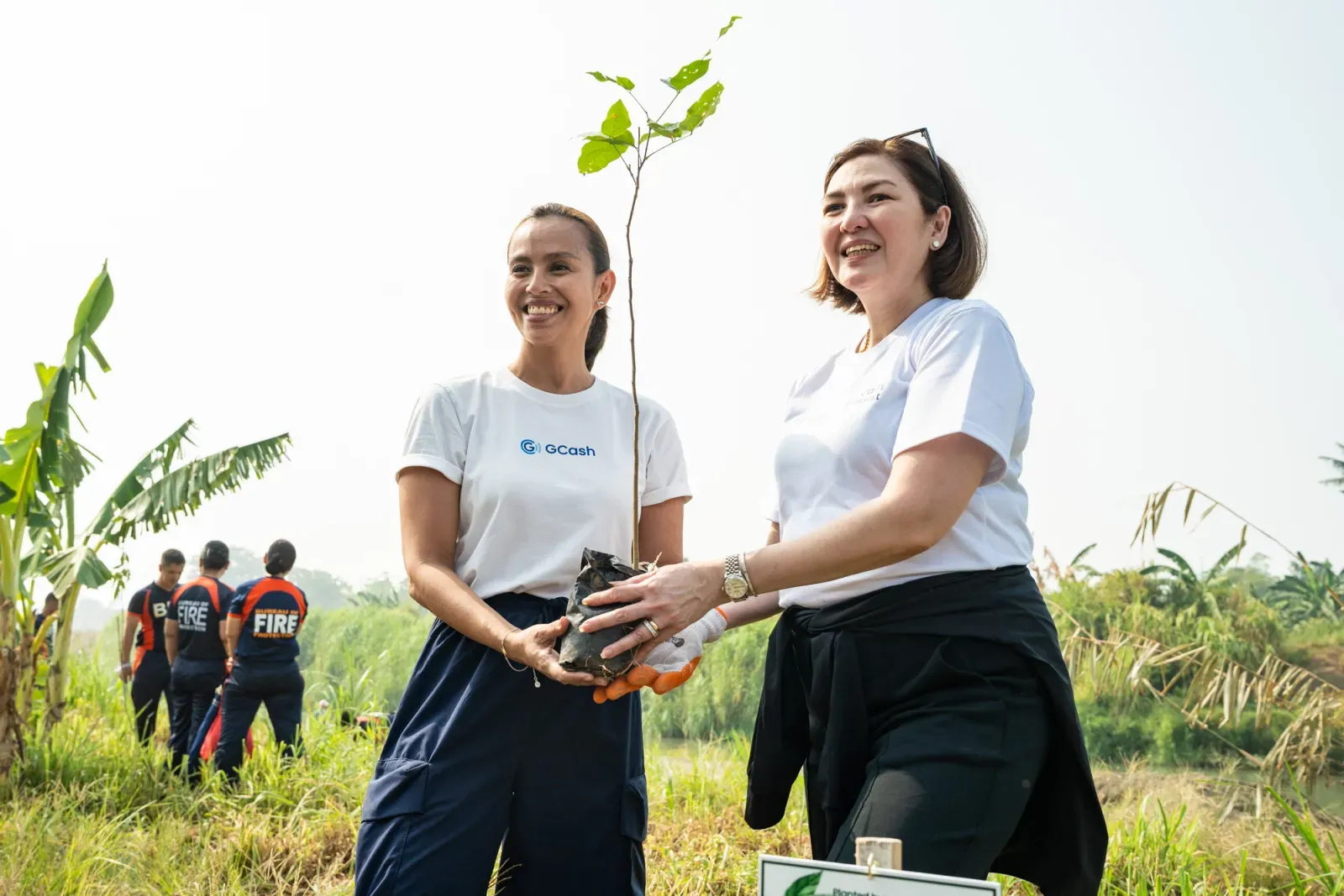
BALAMBAN, Cebu — Aboitiz Foundation and GCash brought their five-year forest restoration partnership to the ground on September 19, 2026, mobilizing more than 3,000 volunteers for tree and bamboo planting. The initiative marks the first major activation of a corporate alliance aimed at restoring 1,200 hectares and growing one million trees.
A Long-Term Corporate Commitment Takes Root
The partnership between Aboitiz Foundation's CarbonPH and GCash GForest represents a strategic investment in environmental sustainability with measurable economic returns. Aboitiz Foundation President Ginggay Hontiveros-Malvar emphasized that the launch is not a one-day planting activity but the beginning of years of structured restoration work.
CarbonPH forms part of Aboitiz Foundation's 40-year commitment to restore Cebu's forests and watersheds at scale, targeting approximately 71,000 hectares. This long-term horizon signals to investors and business partners that the initiative is designed for enduring impact rather than short-term publicity.
The program operates with support from the Municipality of Balamban and the Cebu Bamboo Industry Development Council. National agencies, including the DENR-Forest Management Bureau and the Climate Change Commission, provide technical and policy frameworks that align ground-level work with national climate commitments.
Digital Platform Meets Ground Restoration
A distinguishing feature of the partnership is the integration of GCash's digital ecosystem with physical restoration. Green energy points earned through everyday digital activities are converted into funding for tree and bamboo planting. This mechanism turns routine consumer behavior into tangible environmental action.
Michelle Fernandez, Mynt Head of Corporate Sustainability and Communications, said the partnership connects digital participation to visible results. Users can trace their contributions from seedlings to restored landscapes, creating transparency and engagement.
GCash GForest has helped plant 4.9 million actual trees to date. The one million trees targeted in Balamban will contribute to the GCash goal of planting 10 million actual trees by 2030. This digital-to-physical pipeline offers a scalable model for corporate sustainability programs.
Ridge-to-Reef Strategy for Long-Term Impact
The initiative follows a ridge-to-reef approach that integrates forest and watershed restoration, biodiversity conservation, and agroforestry. Coastal mangrove planting in Barangay Nangka complements upland tree planting, extending environmental action from mountains to shorelines.
Native and endemic species include Cebu Cinnamon, locally known as Kaningag, alongside Narra, Molave, Katmon, Almaciga, and Bagilumbang. Bamboo and fruit-bearing species such as cacao, coffee, and jackfruit provide livelihood potential for local communities.
Coastal cleanup activities were conducted in parallel by the Municipality of Balamban in observance of International Coastal Cleanup Day. The simultaneous upland and coastal actions demonstrate how restoration can strengthen disaster resilience and support community-based climate adaptation.
Measuring Success Beyond Planting
The project targets at least 85 percent tree survival, backed by sustained maintenance, monitoring, and protection. This survival metric distinguishes the initiative from conventional planting programs that often report only initial disbursement figures.
Sustained stewardship ensures that investments translate into healthier ecosystems and stronger watersheds. Water security improvements benefit agriculture, industry, and residential communities across Cebu. These outcomes create long-term economic value beyond environmental metrics.
The partnership's design acknowledges that restoration requires patience and continuous resources. By committing to multi-year monitoring, Aboitiz and GCash protect their investment and demonstrate accountability to stakeholders.
Scaling Restoration Across Cebu
Balamban represents only the beginning of a broader rollout. Over the next five years, CarbonPH will expand into more communities and restoration areas. The program feeds into a 40-year effort to restore Cebu's landscapes at scale.
The collaboration between corporate partners, government agencies, and local stakeholders offers a replicable framework. Businesses seeking credible sustainability initiatives can participate through established platforms. The model aligns corporate ESG goals with national climate targets under the Paris Agreement.
