PALAWAN — As the nation marks the 10th anniversary of the landmark 2016 arbitral ruling, National Security Adviser Eduardo Oban Jr. has underscored that the rule of law remains the Philippines' most powerful instrument in asserting its maritime sovereignty. While geopolitical tensions and maritime presence remain central to the dialogue, the commitment to a rules-based international order provides a legal bedrock that transcends mere military posturing. By anchoring its position in the United Nations Convention on the Law of the Sea (UNCLOS), the country continues to garner widespread international support and legitimacy. This strategic approach highlights that the struggle for the West Philippine Sea is not just a regional contest, but a broader fight for global justice and orderly maritime governance.
Leveraging Legal Victory For Long-Term Strategic Maritime Defense
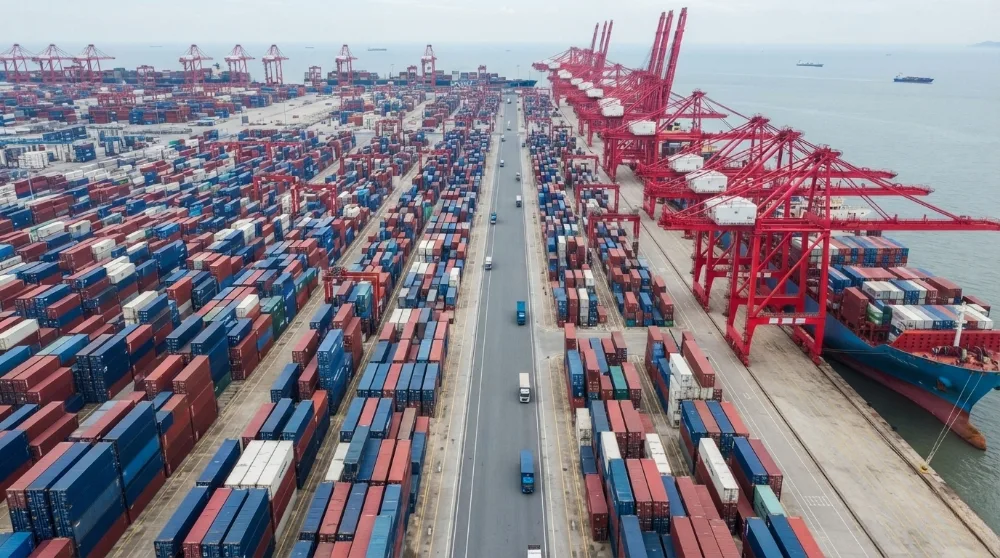
The 2016 arbitral award provides the Philippines with a definitive legal standing that invalidates expansive, non-compliant maritime claims in the South China Sea. Rather than engaging solely in a race of military capacity, the government leverages this legal triumph to build a coalition of like-minded nations that advocate for freedom of navigation and secure trade routes. This environment of international collaboration allows for joint patrols and diplomatic initiatives that reinforce the reality of Philippine maritime entitlements. By maintaining this consistent, law-abiding stance, the Philippines ensures its position remains resilient, predictable, and aligned with the values held by its global partners.
Connecting Local Security To Global Standards Of Governance
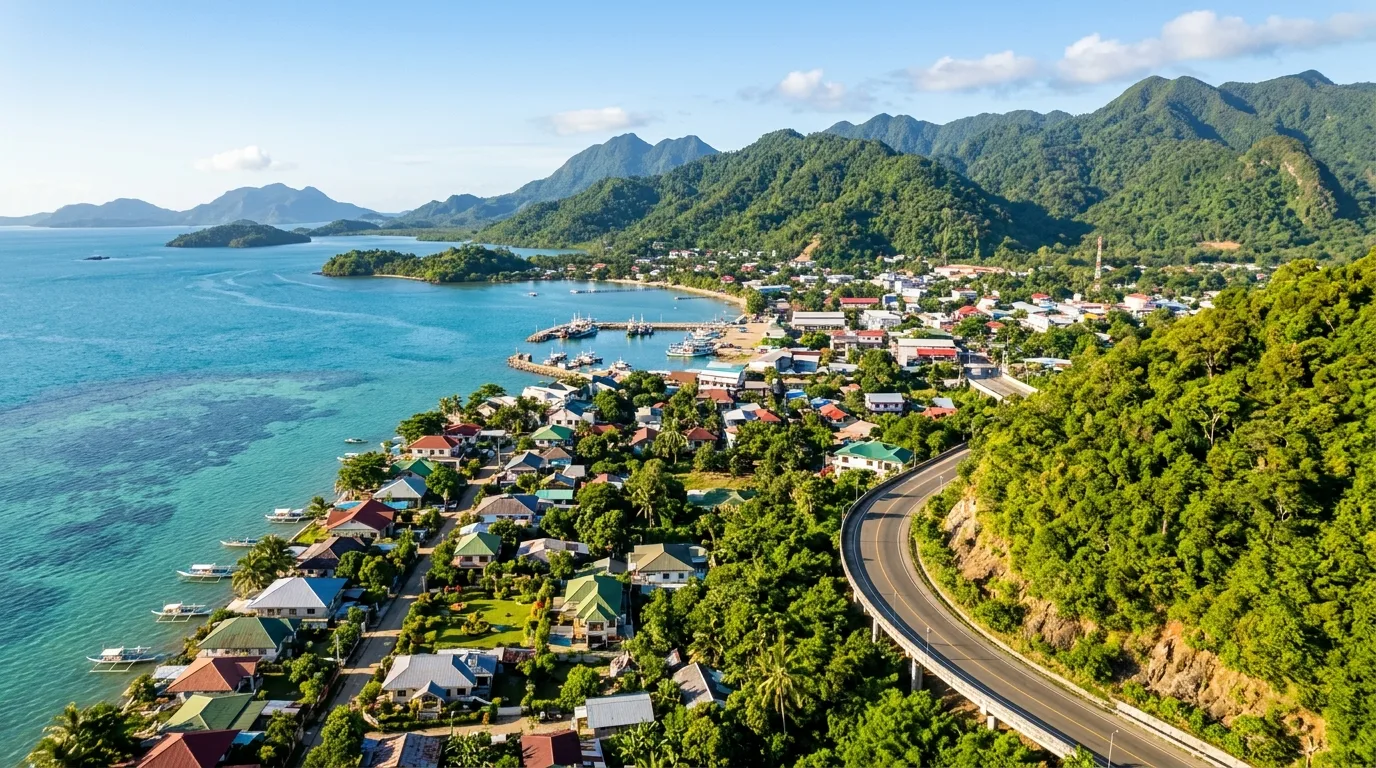
The national commitment to the rule of law extends beyond diplomacy, influencing how the government manages resources and protects the livelihoods of citizens who depend on the sea. This approach safeguards the economic viability of coastal tourism, which thrives when the natural beauty of beaches and marine sanctuaries is preserved under clear jurisdictional authority. By upholding legal standards, the government also creates a stable climate for investment in local infrastructure, including boutique hotels, seaside cafes, and regional commercial centers that serve the growing community. As more Filipinos understand the importance of this maritime heritage, they become active participants in a "whole-of-society" effort to protect both the ocean's resources and the nation’s future prosperity.
Building Resilience Through Unity And Sustained National Awareness
Looking ahead, the goal is to institutionalize this legal consciousness among the younger generation, ensuring they inherit both the knowledge and the resolve to protect the country's maritime domain. National agencies are actively encouraging local government units to commemorate the arbitration victory, viewing it as a pivotal moment that defined the nation's identity as a maritime state. This collective push for awareness turns the arbitral ruling into more than just a historical document; it becomes a living guideline for how the Philippines interacts with its neighbors. With continued focus on modernization, diplomatic engagement, and public resilience, the country is well-equipped to navigate the complexities of the regional maritime landscape for decades to come.