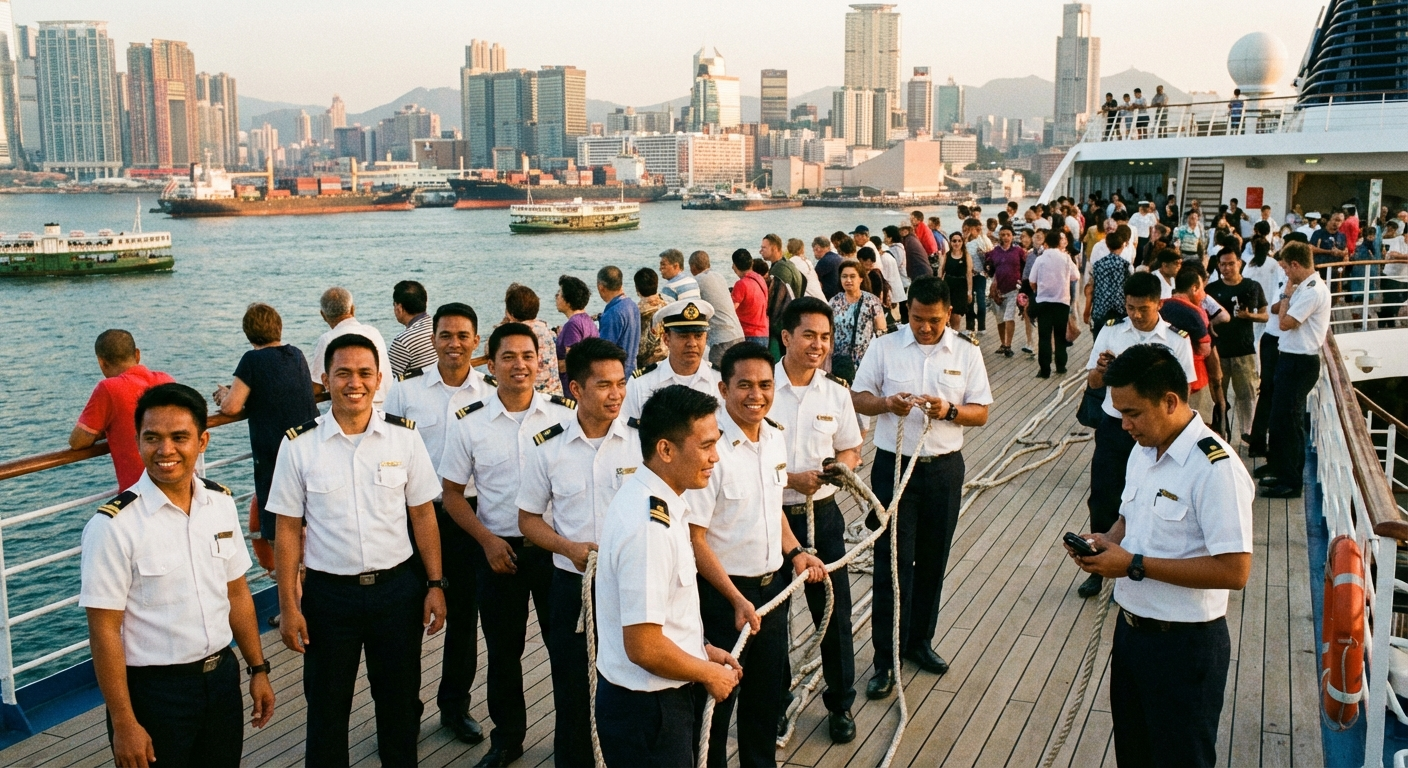
As Asia increasingly solidifies its position as a hub for premier cruise destinations, a development highlighted by business reports, the ramifications for the global workforce, particularly for Filipinos, are substantial. This burgeoning market for "world-class delights" converging across the continent suggests a sustained growth trajectory for the cruise industry in a region vital to the global economy. This trend carries significant implications for the Philippines, a nation renowned for supplying highly skilled maritime professionals and hospitality experts to the world's most prestigious cruise lines. The Philippines has long been a foundational pillar of the international maritime sector, with a significant percentage of global seafarers hailing from its shores. This dominance extends prominently into the cruise ship industry, where Filipinos are indispensable, filling roles from officers and engineers to culinary staff, entertainers, and guest services personnel. The expansion of Asia’s cruise market, therefore, directly translates into a heightened demand for this specialized Filipino talent, offering stable employment and robust career pathways for thousands of families across the archipelago. Why It Matters For the Philippines, the health and expansion of the global cruise industry are inextricably linked to national economic stability and family welfare. Remittances sent home by overseas Filipino workers (OFWs), including those in the maritime sector, form a critical backbone of the Philippine economy. A flourishing Asian cruise market promises to amplify these contributions, injecting vital foreign exchange into local communities and supporting livelihoods. Furthermore, it reinforces the Philippines' reputation as a reliable provider of top-tier human resources, potentially attracting more investment in maritime training and hospitality education within the country. This upward trend in cruise tourism not only means more jobs but also the potential for improved wages and benefits for Filipino cruise ship employees. What Filipinos Need to Know Filipinos aspiring to join or advance within the cruise industry should recognize this growth as a clear signal for sustained opportunities. Investing in relevant training, certifications, and language proficiency will be paramount to securing positions in this competitive yet rewarding sector. Aspiring OFWs should actively seek accredited training institutions and stay informed about international maritime regulations and labor standards. For those currently employed, continuous professional development and adapting to new service standards will ensure long-term career resilience. Families back home can anticipate the potential for continued financial support and the steady flow of remittances, underscoring the enduring significance of Filipino seafarers in propelling both the global cruise industry and the national economy forward.