


Baybay Has Already Hosted an Astronomy Camp
LEYTE - Baybay City provides one of the clearest examples of astronomy becoming part of an educational and tourism-related experience in Leyte. In April 2024, the University of San Carlos and Visayas State University conducted the first USC-VSU AstroCamp at VSU, featuring astronomy lectures, workshops, an astronomy film showing, and nighttime sky observation. Participants used telescopes to observe objects including Jupiter, the Moon, star clusters, and nebulae. While this was an educational event rather than a permanent public observatory, it demonstrates that Leyte already has an active connection to astronomy activities. For visitors interested in the subject, Baybay is therefore an interesting place to watch for future astronomy camps, science events, or organized stargazing activities.
Island Nights Can Become a Stargazer's Escape
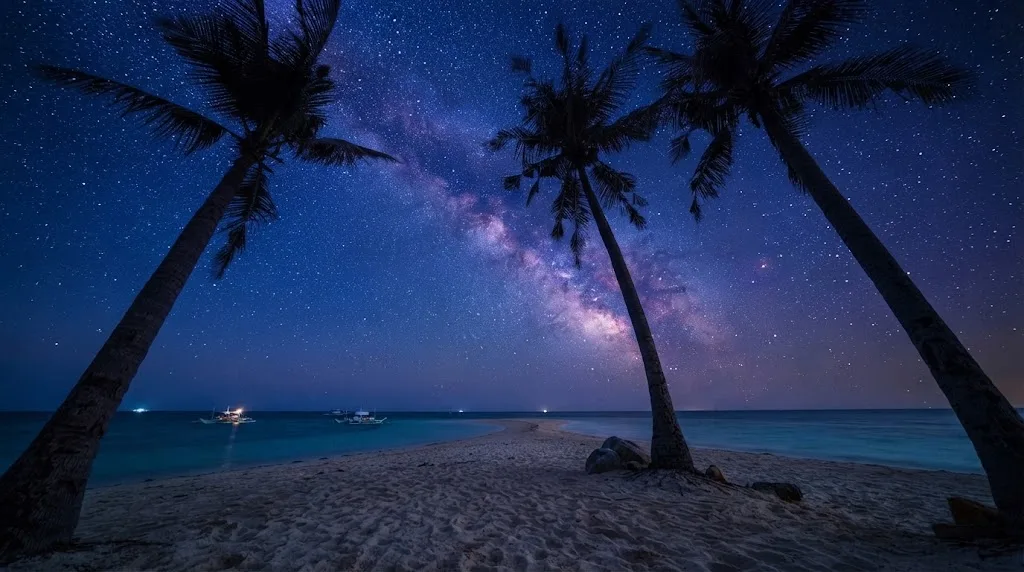
The province's islands offer another possibility for astro-tourism because some are far removed from the bright lights of larger urban areas. Kalanggaman Island in Palompon has been described as having little to no light pollution, with visitors able to see the night sky while staying on the island. San Pablo Island in Southern Leyte has similarly been described as having a clear night sky because of the absence of light pollution, making it possible to lie on the sand and look at the stars after dark. These locations are particularly appealing because stargazing can become part of a broader nature trip rather than the only reason for visiting. Travelers should still check local regulations, weather, boat schedules, and overnight arrangements before planning an evening under the stars.
You Don't Need a Telescope to Start Looking Up
Astro-tourism can begin with something as simple as finding a dark, open location and learning what is visible above it. Current astronomy information for Leyte shows that planets and other celestial objects can be observed from the province at different times of the year, with interactive night-sky maps providing information about when objects rise and set. Travelers can use these resources to plan a night around a particular planet, the Moon, or a meteor shower instead of arriving without knowing what to look for. For those who want a more structured experience, astronomy camps and science-tourism activities can provide telescopes and guidance. Leyte's developing Science Trails initiative also shows that science and tourism are being connected more deliberately in the province, creating room for experiences that go beyond conventional sightseeing.
