PALAWAN — The mining industry in Palawan is undergoing a significant transformation as major nickel producers prioritize comprehensive environmental recovery over simple reforestation efforts. Four years after concluding its nickel extraction operations, the Berong Nickel Corporation (BNC) is currently advancing toward the completion of the country’s inaugural approved Final Mine Rehabilitation and Decommissioning Plan. This proactive investment demonstrates a serious commitment to returning former industrial sites to safe, stable, and productive landscapes. By integrating advanced engineering with ecological management, the company aims to ensure that its legacy in Quezon, Palawan, is defined by long-term environmental health rather than just mineral output.
Engineering Ecological Stability Through Scientific Restoration Management Practices
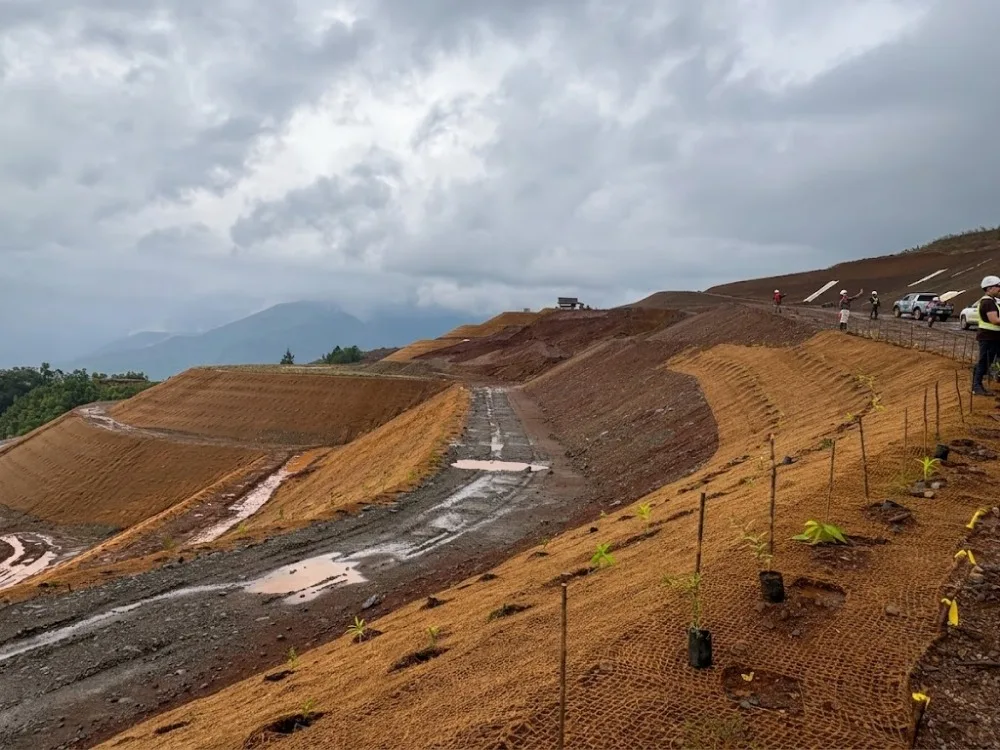
Rather than relying on basic tree planting, the rehabilitation strategy employs a sophisticated mix of slope stabilization, topsoil replacement, and drainage management to rebuild the terrain. By monitoring biodiversity and fostering indigenous plant growth, BNC has already successfully restored approximately 100 hectares of the 137 hectares previously disturbed by mining. The site’s transformation includes the production of nearly 497,000 seedlings in dedicated nurseries, which have achieved an impressive 97 percent survival rate across replanted zones. These technical interventions create a resilient foundation that allows the local ecosystem to thrive independently long after the company's active presence concludes.
Integrating Community Benefits And Biodiversity Within Rehabilitation Projects
The restoration process extends well beyond the mine boundaries, incorporating vital initiatives such as mangrove reforestation, sea turtle conservation, and the development of coral gardens. These environmental projects work in tandem with long-standing social development programs that have supported local farmers, fisherfolk, and women’s groups through sustainable agroforestry and seaweed farming. By financing community infrastructure—including schools, health centers, and farm-to-market roads—the corporation ensures that the economic benefits of their operation continue to support local residents during and after the ecological recovery phase. This holistic approach proves that responsible closure can generate lasting value for both the environment and the host communities that depend on it.
Setting New Benchmarks For Responsible Mining Closure Strategies
The success of this rehabilitation model serves as a growing blueprint for other producers in the region, such as Citinickel Mines and Development Corporation, which is also scaling up its restoration efforts. As these companies continue to exceed their rehabilitation targets, they are effectively shifting the narrative around the mining sector's long-term environmental footprint. These initiatives align with the broader national push for improved waste management and sustainable land use practices across the Philippine mining industry. Through these transparent and science-based programs, the industry is gradually establishing a more stable and responsible reputation that prioritizes the health of the planet alongside resource development.