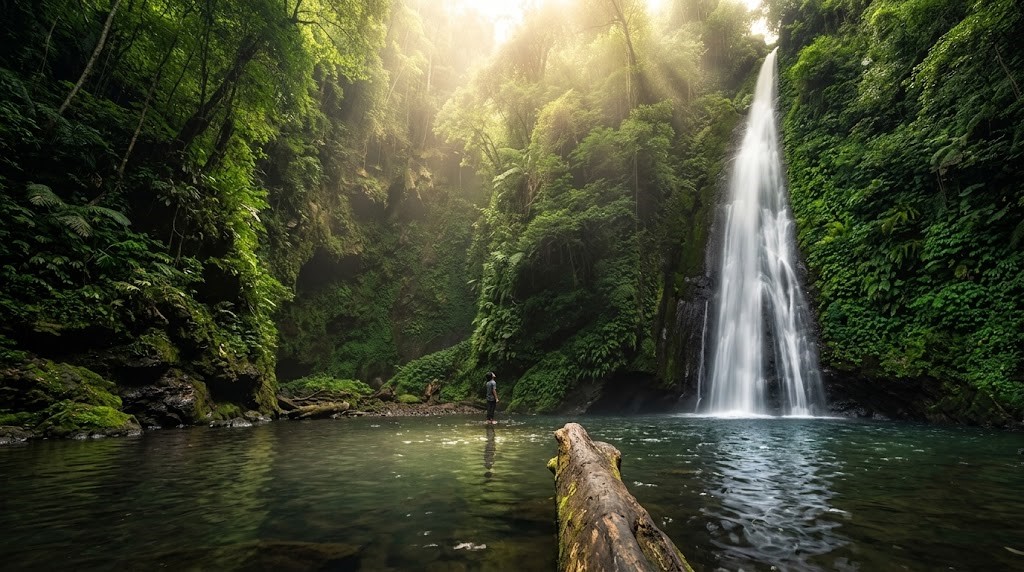
The Philippines is increasingly being heralded on the global stage for its pristine, less-traveled natural wonders, specifically its "hidden lagoons" and "secret coastal escapes." This recognition places the archipelago nation alongside established destinations such as Canada, Montenegro, Thailand, and the United Kingdom, all celebrated for redefining nature tourism. The focus is shifting towards inspiring travelers to explore destinations "beyond crowded" hotspots, signaling a significant evolution in global travel preferences.
Dispersing Capital Inflow Across Low-Density Ecological Zones
While the specific Philippine locations earning this distinction remain unnamed in the latest reports, this broader acknowledgment underscores the country's immense potential in the eco-tourism sector. It highlights a growing global appetite for authentic, unspoiled natural experiences, away from mass tourism. This trend is expected to attract a different demographic of travelers – those seeking solitude, adventure, and a deeper connection with nature, which aligns perfectly with the Philippines' diverse ecosystems, from its vibrant marine life to its lush tropical landscapes.
Converting Migrant Capital Into Sustainable Boutique Ventures
For the Philippines, this international spotlight on its hidden gems is more than just a nod to its natural beauty; it represents a powerful catalyst for economic growth and sustainable development. A surge in nature tourism can create substantial employment opportunities for local communities, particularly in remote areas where these "secret escapes" are often found. This includes roles in hospitality, eco-guiding, transportation, and local handicraft production. For many Filipinos, including those considering returning home from overseas work, this could translate into new avenues for livelihood and entrepreneurship, fostering a more resilient local economy. Moreover, focusing on less crowded destinations naturally encourages more sustainable tourism practices, protecting these invaluable natural assets for future generations while ensuring economic benefits are distributed equitably among local residents.
Instituting Carry-Capacity Caps and Mandating Native Certifications
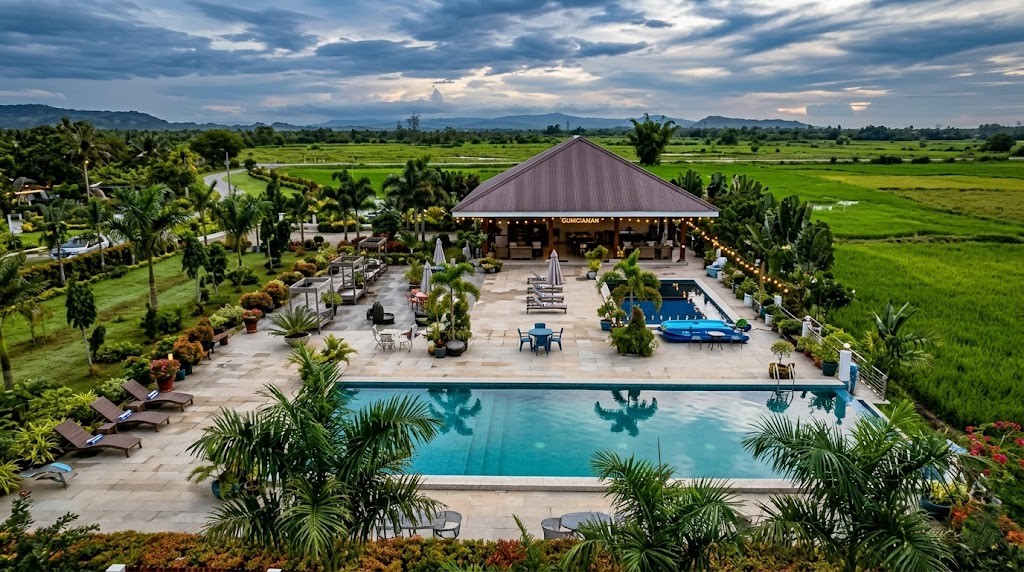
This burgeoning trend in nature tourism offers a unique opportunity for Filipinos, both at home and abroad. For those within the Philippines, it's a call to support and participate in sustainable tourism initiatives that safeguard these newly recognized sites. Local entrepreneurs can explore ventures in eco-lodging, guided tours, and authentic cultural experiences that cater to discerning international travelers. For overseas Filipinos, or OFWs, this global recognition could signal a growing demand for skilled professionals in the tourism and hospitality sectors back home, potentially creating attractive pathways for reintegration and investment in their native communities. Understanding and embracing this shift towards responsible, nature-centric travel is crucial for maximizing its benefits for the entire Filipino nation and ensuring its beautiful, hidden treasures remain unspoiled.