One Table, Many Education Priorities
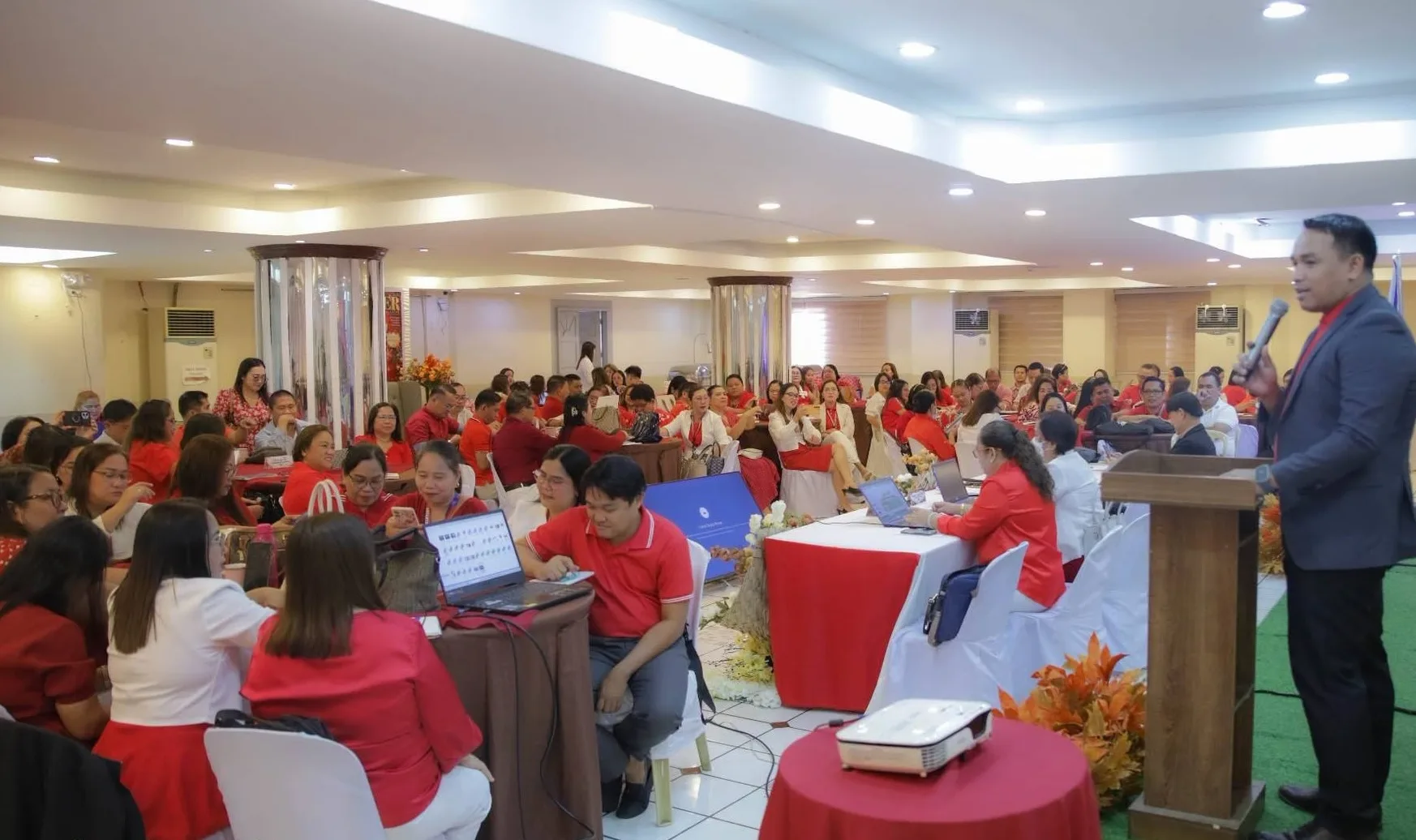
OZAMIZ CITY - The meeting brought together key officials of the Schools Division Office, including Schools Division Superintendent Dionesio L. Liwagon Jr., CESO VI, Assistant Schools Division Superintendent Luisander C. Luy, CESE, Curriculum Implementation Division Chief May P. Edullantes, and Schools Governance and Operations Division Chief Imelda D. Pongase. According to the event information provided by DepEd Ozamiz, discussions covered policy updates, ongoing division initiatives, and strategies connected with quality and accessible basic education. The official organizational structure of SDO Ozamiz confirms the positions of the four officials, providing additional context for their participation in division-level management.
Turning Discussions Into Shared Direction
A management committee meeting may not produce the kind of photographs usually associated with school celebrations, but its purpose is practical: bringing different parts of an organization into the same conversation. For a school division, curriculum implementation and governance involve separate responsibilities, which makes coordination important when policies and programs are reviewed. The September 14 meeting specifically included evaluation of ongoing division initiatives and discussion of policy updates, according to the event post supplied for this article. That combination gives the gathering a useful role in keeping different offices informed about priorities rather than having programs move independently without a shared view of the division’s direction.
The Work Behind the Work
The meeting also highlights something easy to miss when looking only at classroom activities: education involves a substantial layer of planning, monitoring, and coordination before programs reach learners. SDO Ozamiz’s organizational structure places the Schools Division Superintendent, Assistant Schools Division Superintendent, Curriculum Implementation Division, and Schools Governance and Operations Division within the division’s executive structure. The ManCom meeting brought representatives from these areas together for a common discussion on division concerns and priorities. There is no claim here that the meeting itself immediately produced a particular policy change or measurable result. Its confirmed value is more straightforward: it provided a setting where the people responsible for different areas of education could examine priorities together.