


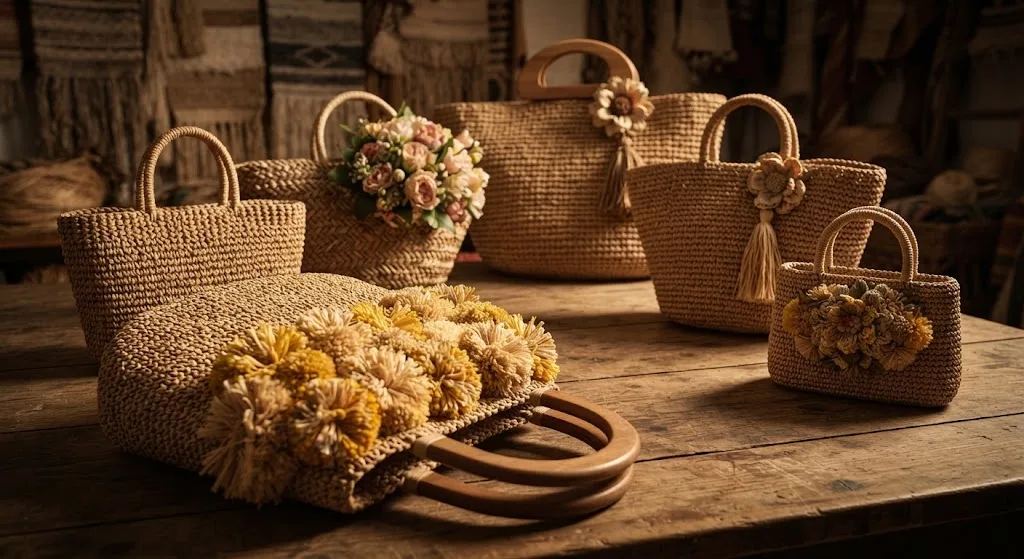
From a Palm Leaf to a Travel Keepsake
BOHOL - Before becoming a hat, bag, mat, or decorative piece, saguran begins as a young leaf of the buri palm (Corypha utan Lam.). The unopened leaves are harvested and processed before being transformed by skilled hands into woven products. For visitors exploring Bohol, a raffia item can therefore be more than something purchased at a souvenir shop—it represents a material that has been incorporated into Filipino daily life for generations. Its lightweight yet durable character also makes woven products particularly practical for travelers looking for something they can actually use after returning home.
A Craft Shaped by Filipino Hands
Weaving has been practiced throughout the Philippine archipelago for generations, with communities developing different techniques according to their environment, available materials, and cultural traditions. Saguran became one of the natural fibers used for creating everyday necessities, including items for carrying, covering, wrapping, and decorating. That history gives a simple woven bag or hat a significance that goes beyond its appearance, since every finished piece depends on the preparation of the fiber and the skill involved in forming its pattern. When bought as a Bohol souvenir, a locally made raffia product can provide a tangible connection to the broader Filipino tradition of turning natural resources into useful and beautiful objects.
A Souvenir With a Sustainable Side
Raffia's natural texture, strength, and biodegradable qualities have also made plant-based fibers increasingly attractive for contemporary crafts and sustainable design. Choosing a woven souvenir allows travelers to take home an object made from a natural material rather than another mass-produced trinket. More importantly, purchasing handmade products can help keep traditional techniques visible and give greater appreciation to the artisans who continue working with indigenous and locally available materials. A saguran hat, bag, mat, or small woven accessory can thus become a fitting Bohol souvenir: simple enough to carry, useful enough to keep, and distinctive enough to remind you of Filipino craftsmanship long after the trip ends.
