


Coconut Farming Gets a Bigger Conversation
BOHOL - Coco Agri-Asenso 2026 was organized by the Agricultural Training Institute–Regional Training Center VII with the Alay Marcela Foundation of the Alturas Group of Companies. The event focused on the Coconut Farmers and Industry Development Plan and brought attention to technology exhibits, farm equipment, value-added coconut products, training, and financing opportunities. For Bohol farmers, that means the conversation is not limited to growing coconuts and selling raw harvests. The event instead presented several directions for turning the crop into a wider agricultural enterprise.
The Coconut Shell Can Become Something Else
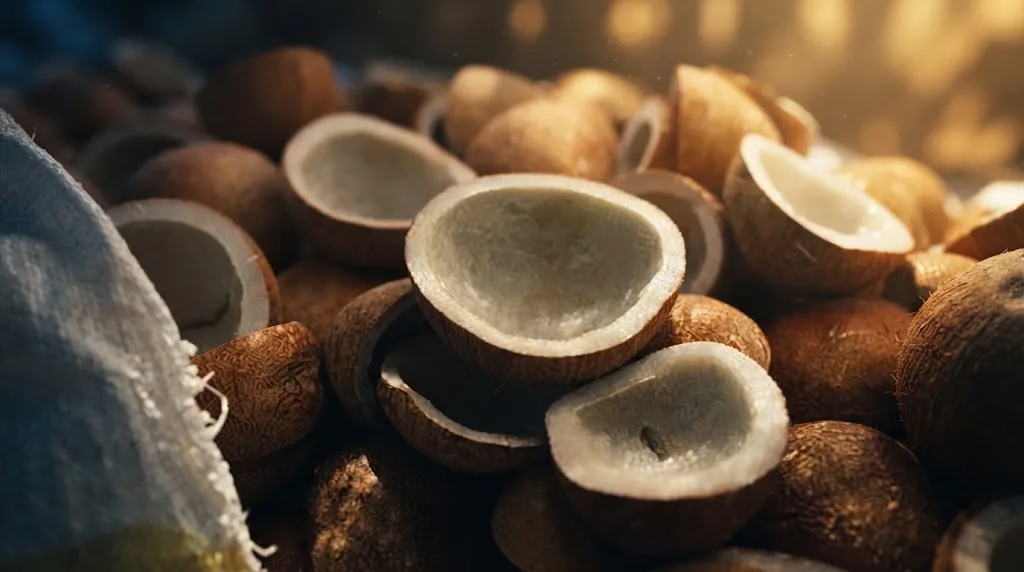
One of the more interesting products displayed during the event was charcoal briquettes made from coconut shells, cassava flour, and water. According to the Philippine Information Agency report, a producer based in Dauis said the briquettes burn longer and cleaner than conventional charcoal. It is a small example of how agricultural by-products can become part of another business instead of simply being discarded. For visitors interested in Bohol agriculture, products like these offer a glimpse into the less obvious businesses developing around familiar crops.
From Farm Harvest to Market Opportunity
The second day of Coco Agri-Asenso included product demonstrations and market-matching activities designed to connect local producers with potential buyers. That makes the event relevant not only to farmers but also to people interested in the province’s emerging food and agricultural products. Coconut can appear in food, household products, fuel alternatives, and other goods, giving producers several possible ways to build income around the same crop. It is a different side of Bohol that travelers rarely see when their itinerary is limited to beaches and sightseeing.
