Airport Development Includes New Fuel Storage Facility
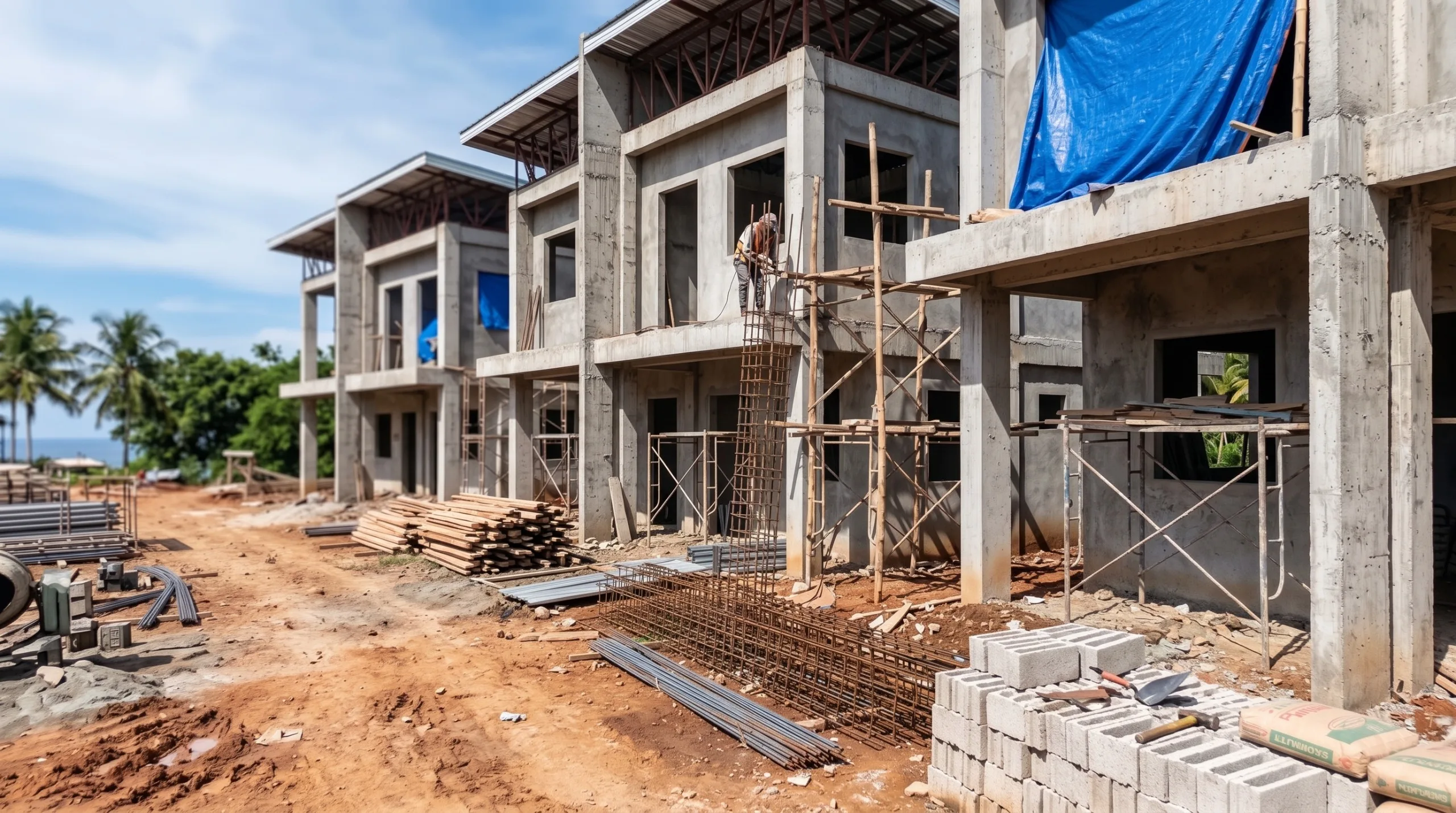
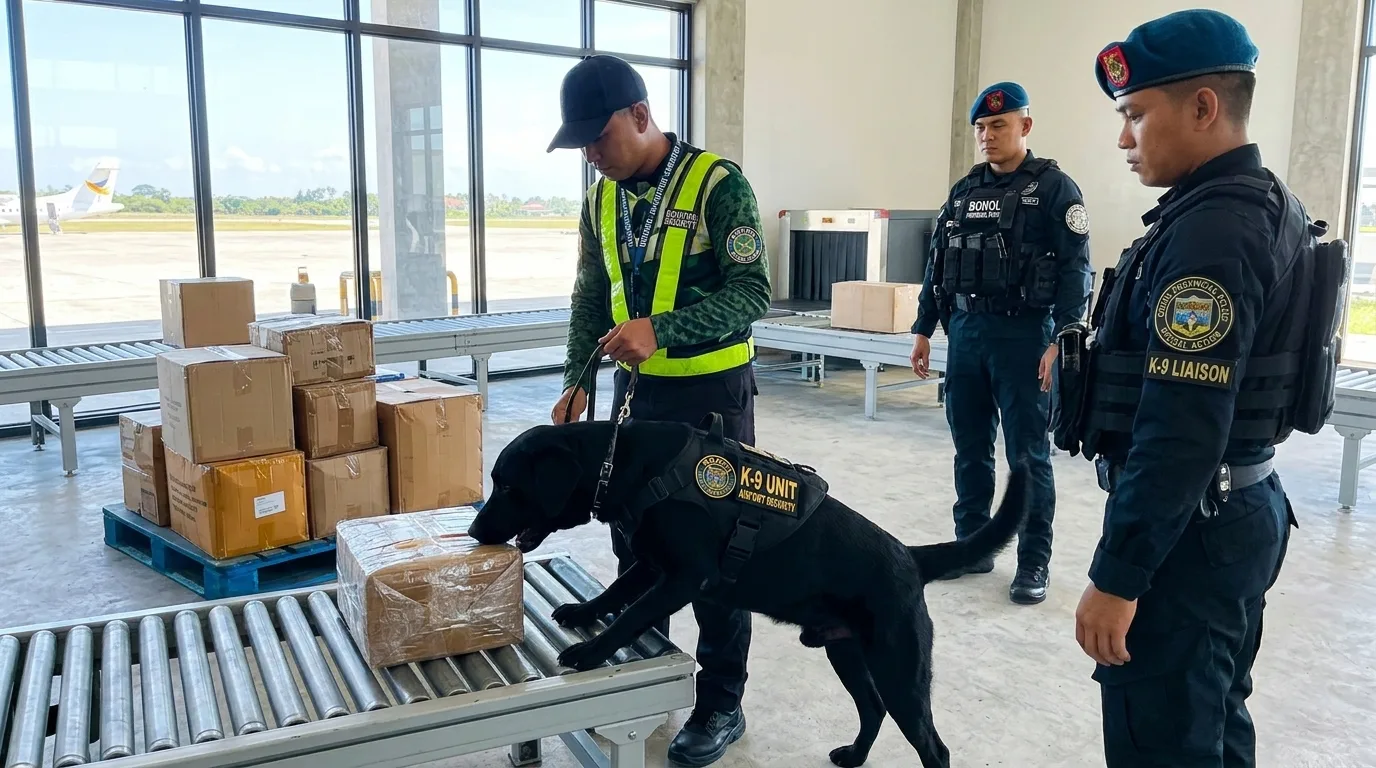
BOHOL - Bohol-Panglao International Airport will receive a PHP340-million jet fuel storage facility under its 30-year public-private partnership with the national government. The airport operator, Aboitiz InfraCapital Bohol Airport Corp., partnered with Petron Corp. to design, construct, and operate the project. The facility will feature three storage tanks, each with a capacity of 477,000 liters, providing at least five days of fuel supply. Construction is scheduled for completion in the third quarter of 2027, adding an important component to the airport’s operational infrastructure.
Fuel Capacity Supports Domestic and International Flights
The airport currently uses approximately 102,000 liters of jet fuel daily, including 43,000 liters for international flights and 59,000 liters for domestic services, according to the operator. With the new facility, the airport will have dedicated storage infrastructure intended to support a more reliable fuel supply for airlines. The operator also stated that it will regulate facility usage rates to keep the fuel farm accessible to airlines and protect them from supplier discrimination. The project will follow Joint Inspection Group standards, which provide internationally recognized guidelines for aviation fuel handling and safety.
Airport Improvements Support Bohol’s Tourism Connectivity
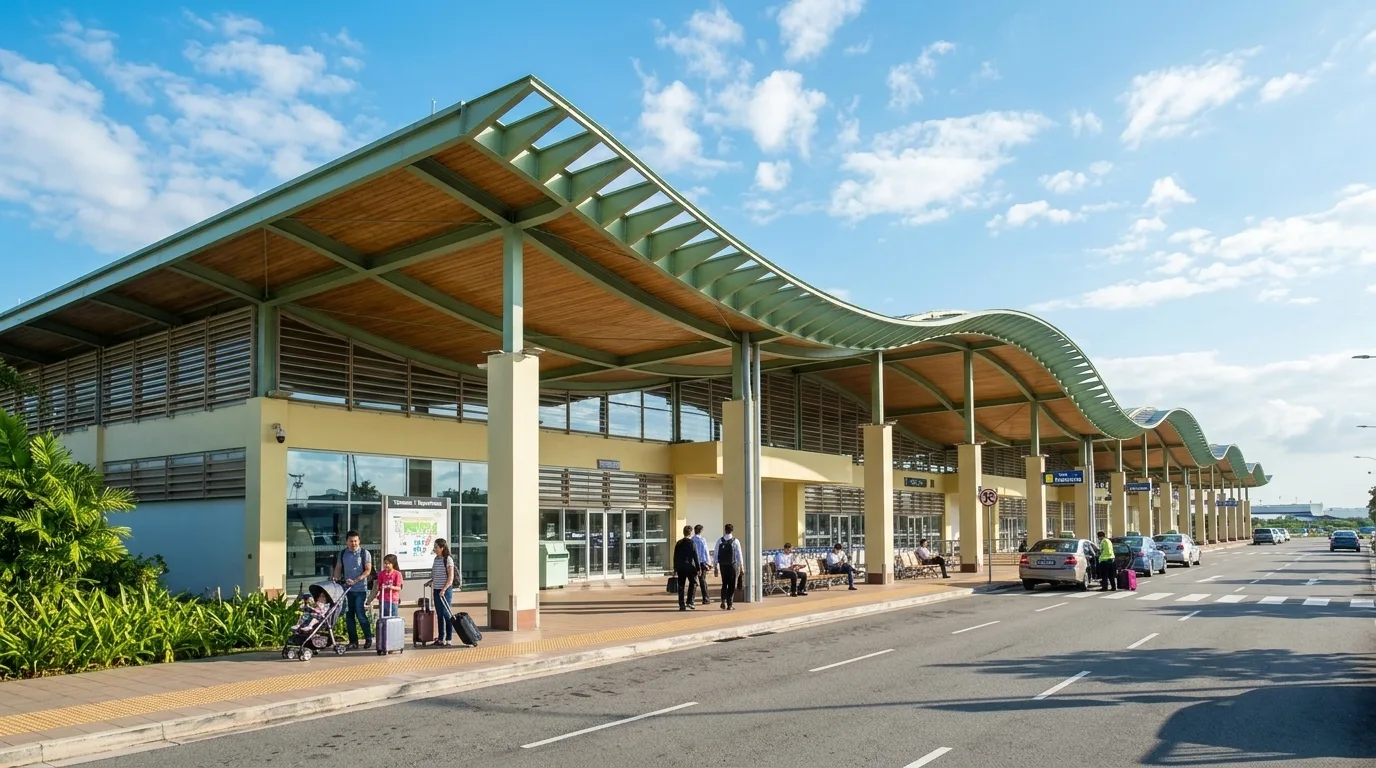
Bohol-Panglao International Airport serves as the province’s main air gateway, connecting the island to destinations such as Manila, Clark, Davao, and Cebu, as well as international routes to South Korea. Since its inauguration in November 2018, the airport has been recognized for its eco-airport design, which incorporates energy-efficient features such as natural lighting and ventilation. The fuel farm is part of the wider modernization effort under the airport’s public-private partnership, which also aims to improve terminal facilities, capacity, and operational reliability. As air travel continues to connect Bohol with more destinations, infrastructure investments can help support tourism activity, business movement, and livelihood opportunities throughout the province.