


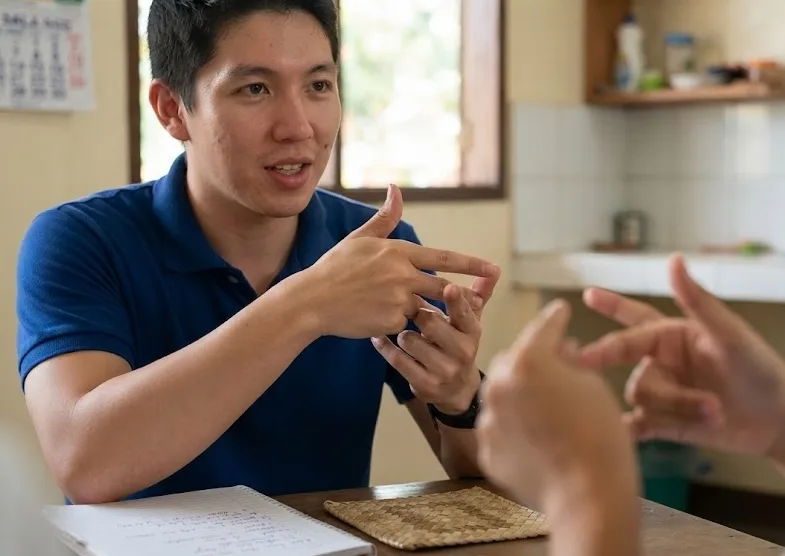
Communication Is Part of Inclusion
OZAMIZ CITY - The DepEd Division of Ozamiz City issued its August 5 advisory inviting participation in an online Sign Language Training Program. While the public advisory does not provide the complete curriculum, the subject itself addresses an important part of inclusive education: communication. A learner may have access to a classroom, books, teachers, and school facilities, but meaningful participation can still depend on whether communication needs are properly understood. Sign language training can help education personnel become more familiar with ways of communicating with deaf or hard-of-hearing learners. The available source does not claim that the program alone will resolve accessibility challenges, but it does document an opportunity for personnel to strengthen an important skill.
An Online Format Opens Up Participation
Holding the training online adds an interesting practical dimension. Professional development does not always have to require participants to leave their schools or travel to another city. An online program can allow personnel to join training through available digital platforms while continuing to manage their regular responsibilities. The DepEd advisory confirms that the Ozamiz City division invited participation in the Sign Language Training Program, although the public posting does not provide enough information to determine how many people ultimately joined. That distinction matters. Rather than inventing participation figures, the safer conclusion is that Ozamiz education personnel were given an opportunity to take part in training centered on sign language and communication.
A Small Skill With a Wider Meaning
Learning sign language is not simply about memorizing gestures. It can encourage greater awareness of how people communicate and how schools can adjust when conventional spoken communication is not sufficient. For an education system, that awareness can influence classroom interaction, school services, and relationships between learners and personnel. The August advisory does not provide evidence of specific improvements resulting from the training, so those outcomes should not be claimed yet. What can be said is that the program places accessibility on the professional-development agenda in Ozamiz City. That is a worthwhile direction because inclusive education becomes more practical when the people working in schools have opportunities to develop skills that support different communication needs.
