One Road-Safety Team Instead of Separate Efforts
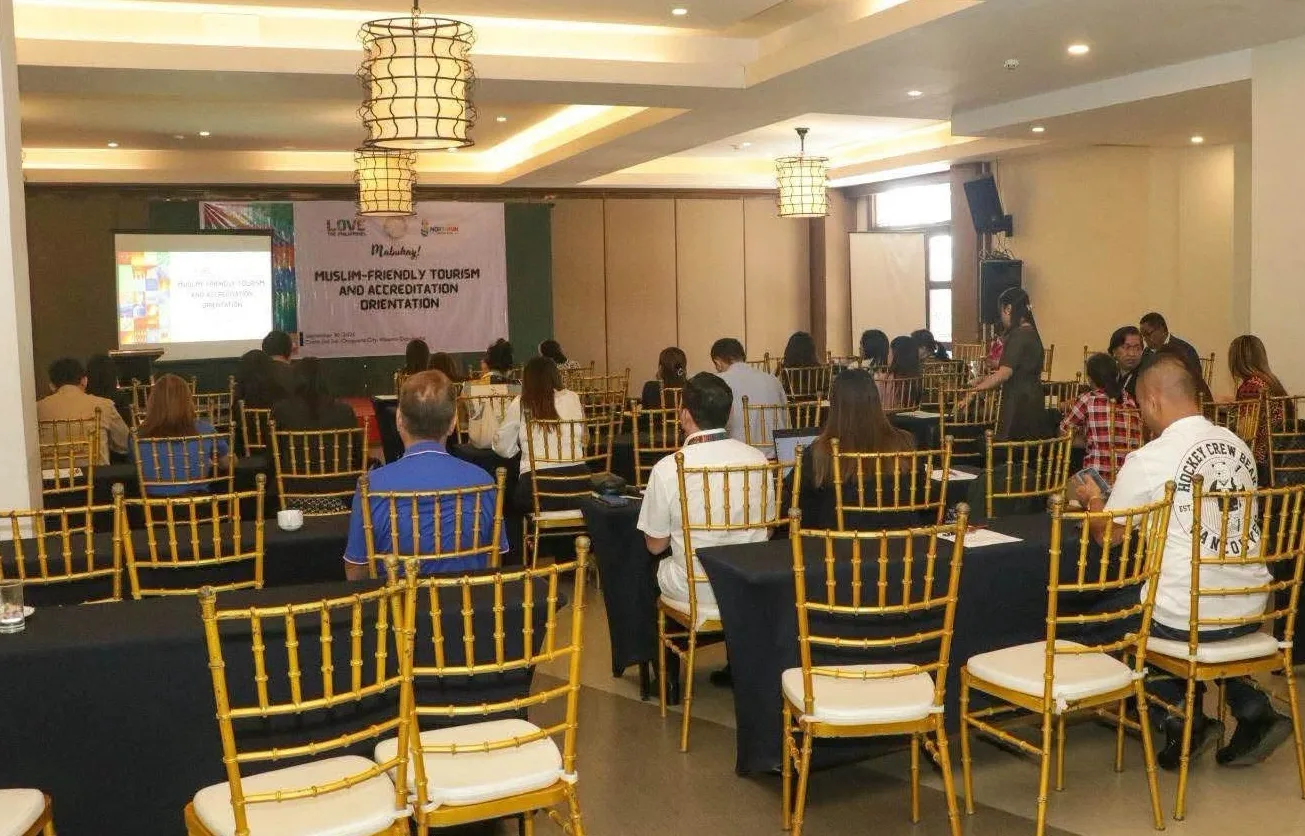
OZAMIZ CITY - The Provincial Task Force on Road Safety brings together local government units and government agencies responsible for transportation, law enforcement, emergency response, and related services. The Philippine Information Agency reported that representatives from the Land Transportation Office, Highway Patrol Group, police units, disaster-risk offices, provincial offices, and other agencies joined the coordination meeting. That arrangement gives the initiative a practical advantage: road safety issues can involve several responsibilities at once. A traffic violation may require enforcement, a dangerous road section may need engineering attention, and an emergency requires an effective response. Bringing these functions into one coordinating body gives Ozamiz and other cities a shared structure for addressing those concerns.
Ozamiz Included in the Provincewide Picture
Ozamiz City was identified in the provincial data presented during the meeting, alongside Oroquieta and Tangub. The information gives authorities a clearer basis for deciding where road-safety measures deserve attention. The task force agreed to prepare a provincewide Road Safety Action Plan that will cover stricter traffic-law enforcement, speed-limit enforcement, road-safety education, improved crash reporting, road engineering, and management of stray animals. These measures are notably varied. They do not depend on enforcement alone; they also involve education, information, infrastructure, and practical road management. For a city such as Ozamiz, having its traffic situation included in a provincewide framework can help connect city-level concerns with broader transportation planning.
The Goal Is Prevention Before Another Emergency
Perhaps the most encouraging part of the initiative is its preventive direction. A road-safety program is most useful when it helps people avoid accidents rather than simply respond after one happens. The PIA report notes that the planned action framework will include education, speed control, better reporting, engineering measures, and coordinated enforcement. None of these steps guarantees an immediate reduction in crashes, and it would be premature to claim such an outcome. What is already established is that the province has created a mechanism for sustained cooperation. For Ozamiz residents who travel by motorcycle, car, public transport, bicycle, or on foot, that kind of preparation can matter in everyday journeys.