A Public Market With an Environmental Upgrade
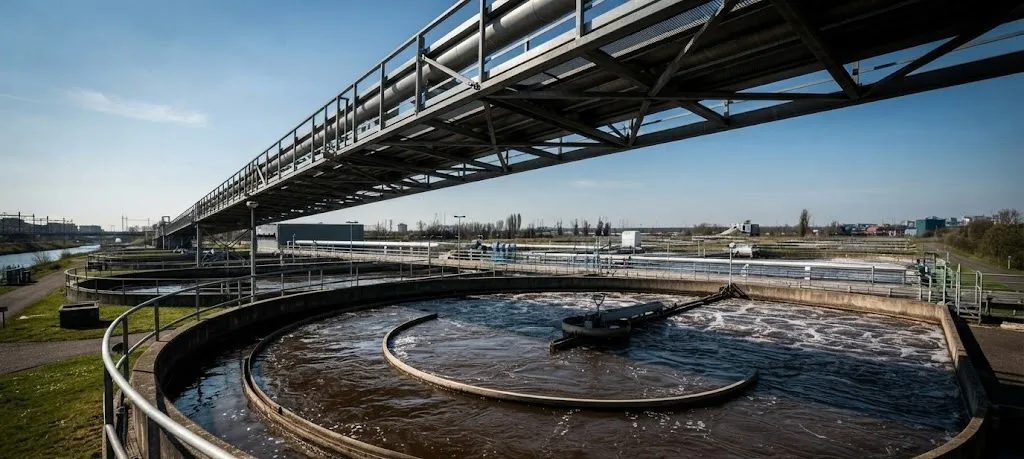
LEYTE - Public markets generate wastewater every day from activities such as cleaning stalls, washing produce, handling food, and maintaining facilities. Instead of allowing that wastewater to become an unmanaged part of the market's operations, Burauen has constructed a treatment facility specifically for the public-market complex. PNA identified the project as the first-ever public-market wastewater treatment facility in Eastern Visayas. That distinction makes the project notable not because it is flashy, but because it tackles a basic problem that many communities have to manage.
Sanitation Becomes Part of the Shopping Experience
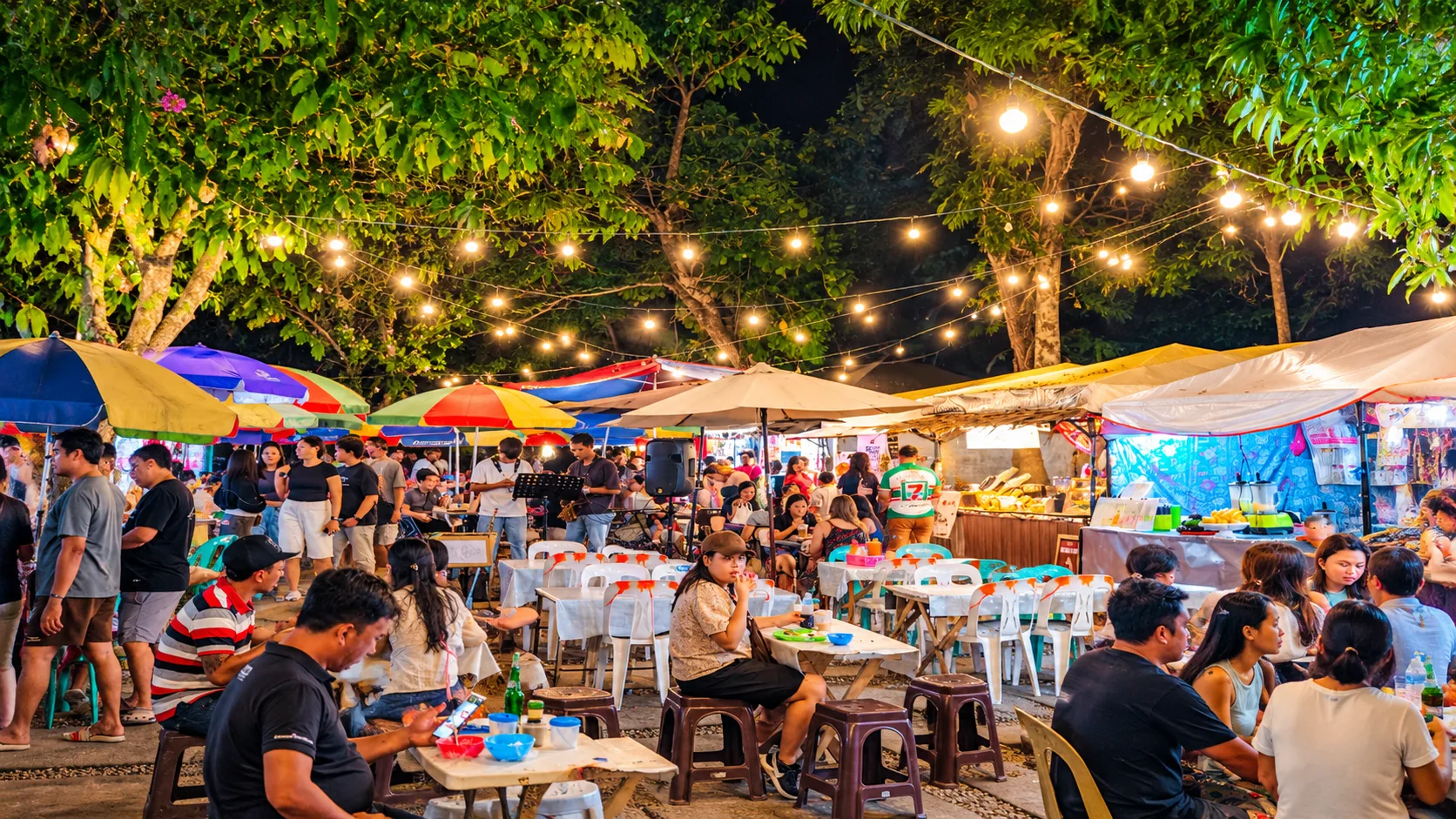
For shoppers and vendors, wastewater management may not be something they think about during an ordinary market visit. Yet sanitation systems influence the cleanliness and maintenance of places where food is sold and prepared. The Burauen project connects environmental management with a setting used by residents for routine purchases, making sustainability part of everyday community infrastructure rather than something confined to protected natural areas. The municipality's decision to place the facility within the market complex also means its environmental function is directly connected to one of the town's busiest commercial spaces.
A Small-Town Project With a Bigger Lesson
Burauen's project offers an interesting perspective on local development because progress does not always arrive as a new mall, hotel, subdivision, or major road. Sometimes it appears as infrastructure that quietly improves how an existing community facility operates. The wastewater plant demonstrates how environmental concerns can be incorporated into ordinary public services while supporting the market's sanitation requirements. For other municipalities in Leyte and Eastern Visayas, the project could also serve as a reference point when considering how public markets can combine commerce with better environmental practices, although the cited report does not claim that other towns have already adopted the same model.