Beyond City Boundaries: Why Regional Planning Matters
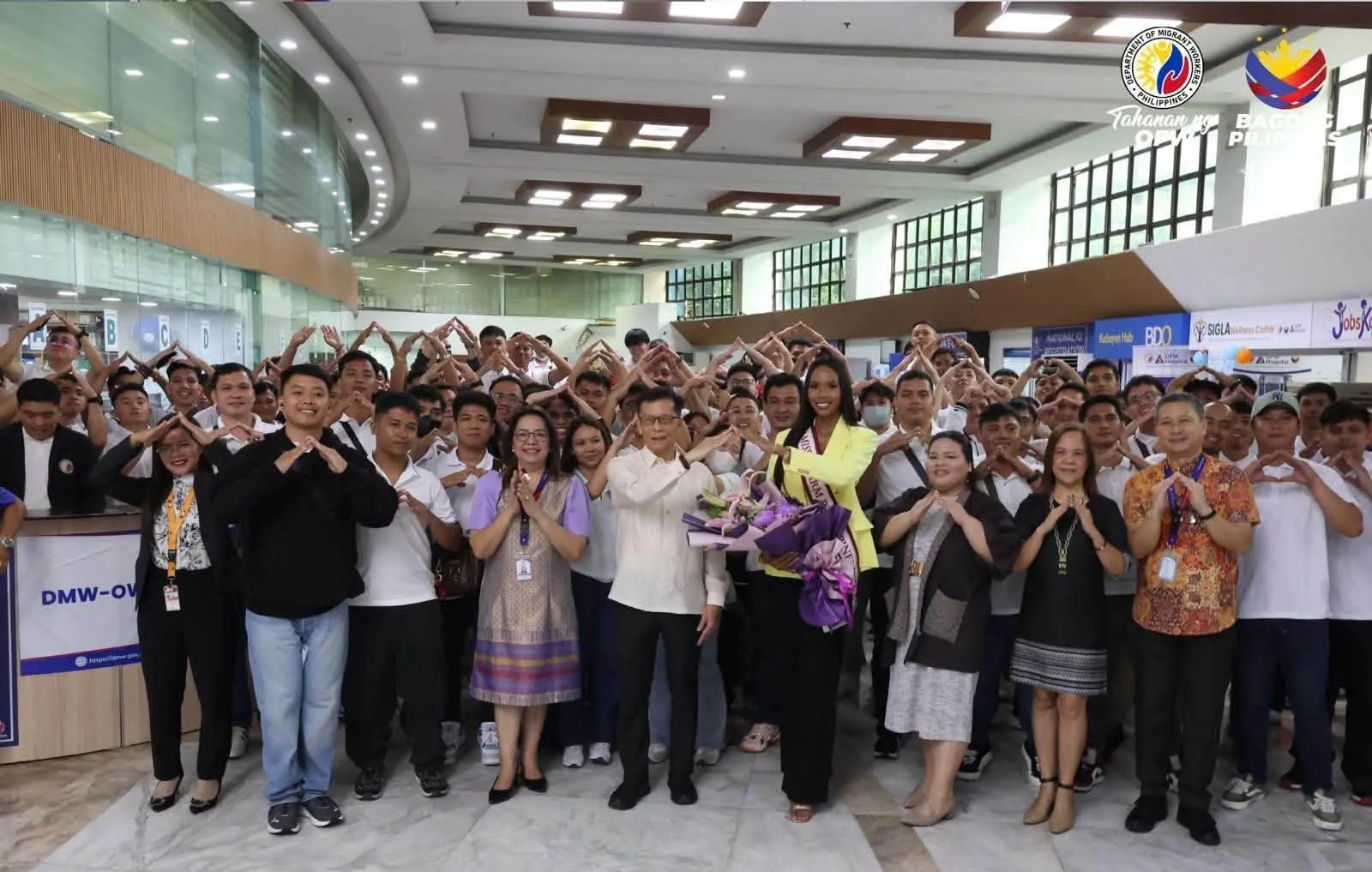
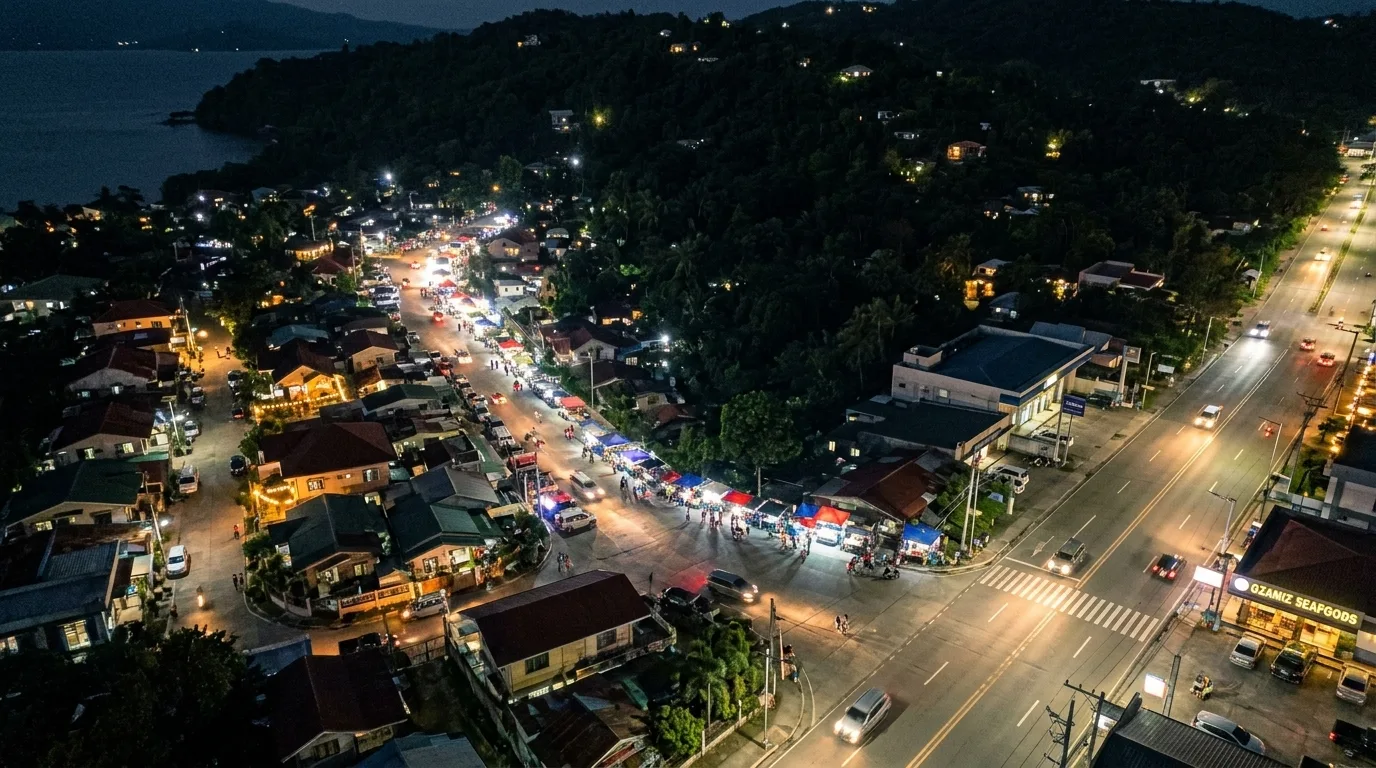
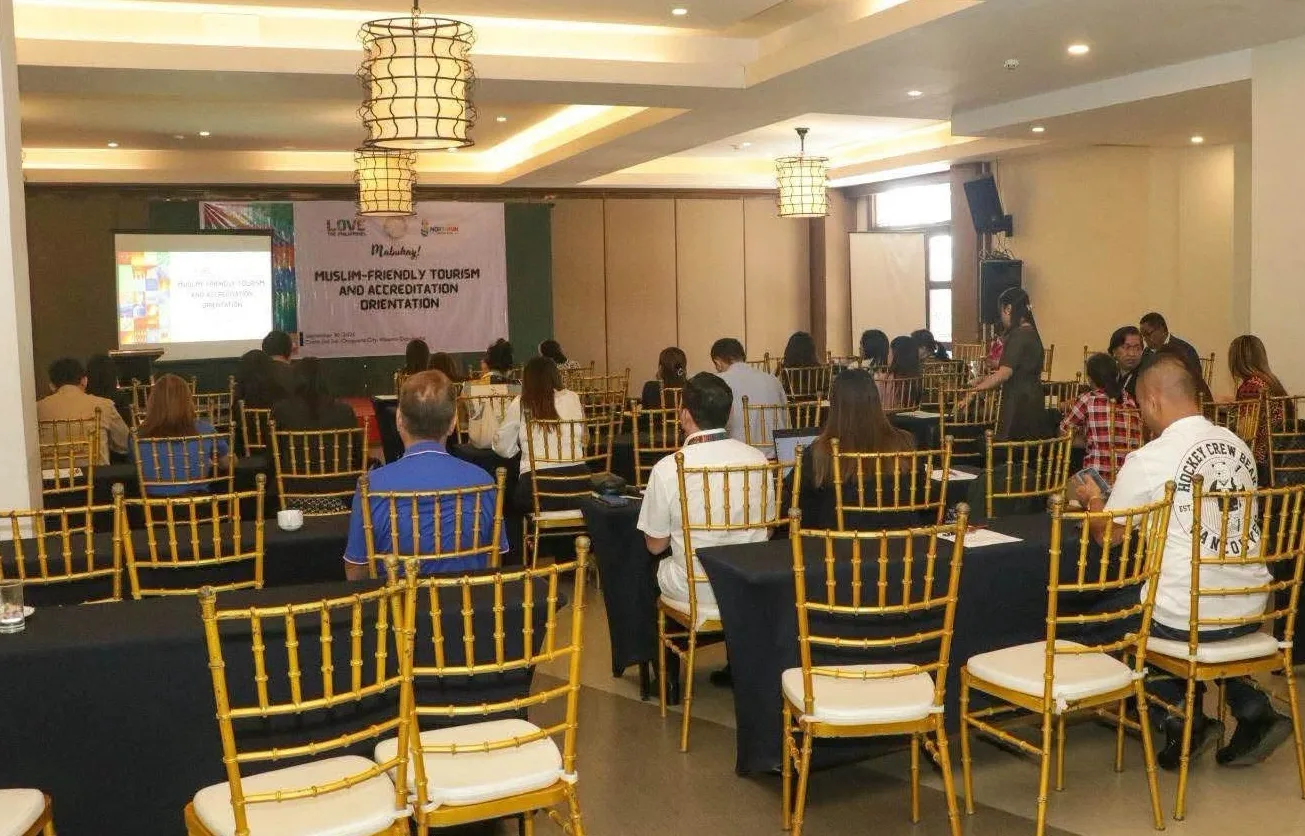
OZAMIZ CITY - A business in Ozamiz does not operate in isolation from the rest of Mindanao. Suppliers, customers, transport routes, energy services, and tourism networks connect local livelihoods to developments in other provinces and regions. The conference's reported emphasis on coordination between national government agencies and the Bangsamoro Autonomous Region in Muslim Mindanao (BARMM) reflects the importance of aligning plans across administrative boundaries. Giving local governments a meaningful role in budget discussions could also help bring community needs into broader development decisions. For residents, the value of this cooperation will ultimately depend on whether plans lead to practical improvements in daily life.
Roads, Water and Energy: The Everyday Foundations of Growth
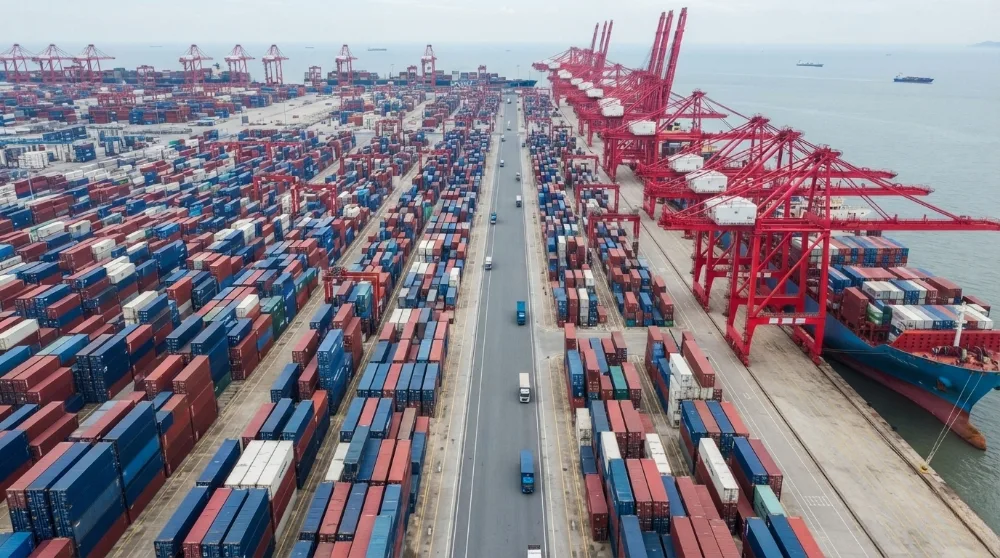
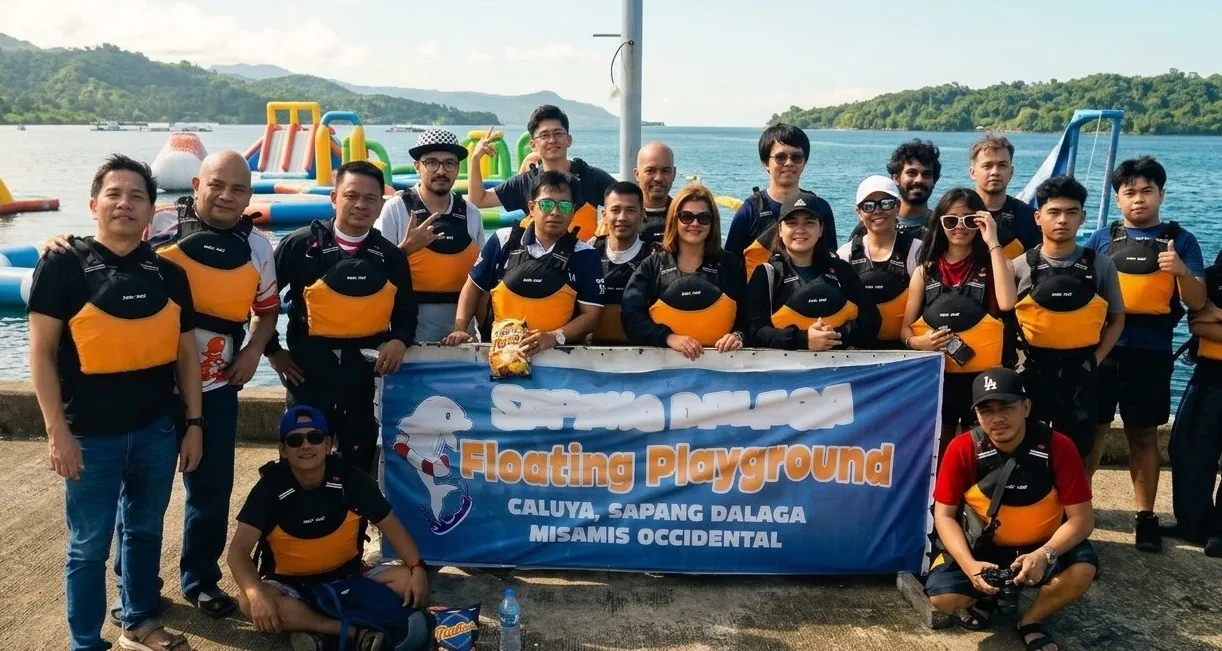
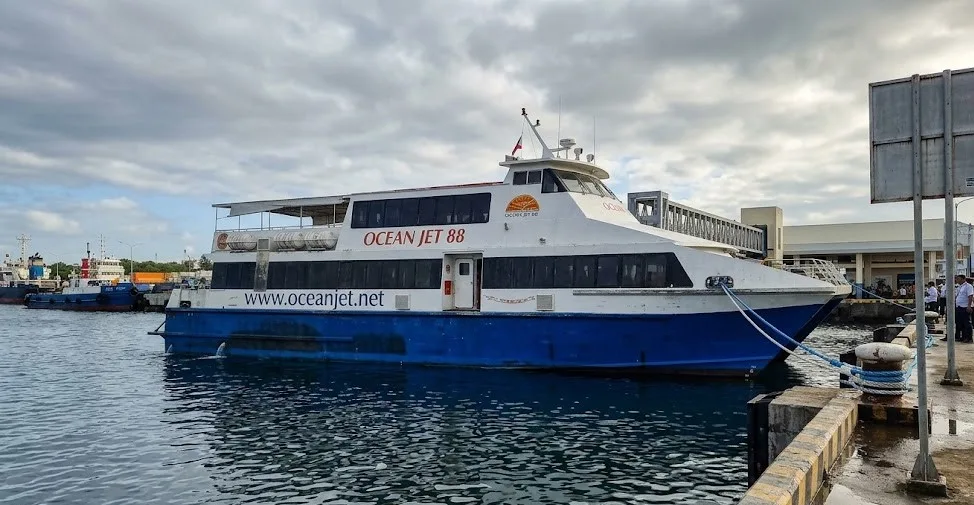
Economic development is often measured in large investments, but its effects can begin with ordinary concerns: the time it takes to transport goods, the reliability of electricity, and access to sufficient water. These were among the priority areas identified in the supplied account of the conference, alongside road safety and tourism. Better-connected transport networks could help producers reach buyers and make travel between communities more convenient, while dependable utilities can help enterprises manage their operating costs. For Ozamiz and neighboring communities, these are relevant considerations when planning for commerce, services, and visitor activity. However, the conference discussion should not be mistaken for confirmation that particular projects have already received funding or implementation schedules.
Turning a Shared Vision Into Benefits People Can Feel
The phrase One Asenso Mindanao captures the idea that development can be more effective when institutions work toward compatible goals instead of planning separately. The next challenge is translating that principle into clear priorities, accountable spending, and programs that respond to the needs of different communities. For small businesses, farmers, workers, and tourism operators, the most meaningful results would be improvements they can see in access to markets, essential services, and economic opportunities. Public reporting on project approvals, budget allocations, timelines, and progress would help residents understand what follows from regional discussions. If coordination leads to these measurable steps, Ozamiz City can be part of a wider effort to make Mindanao's economic growth more connected and inclusive.