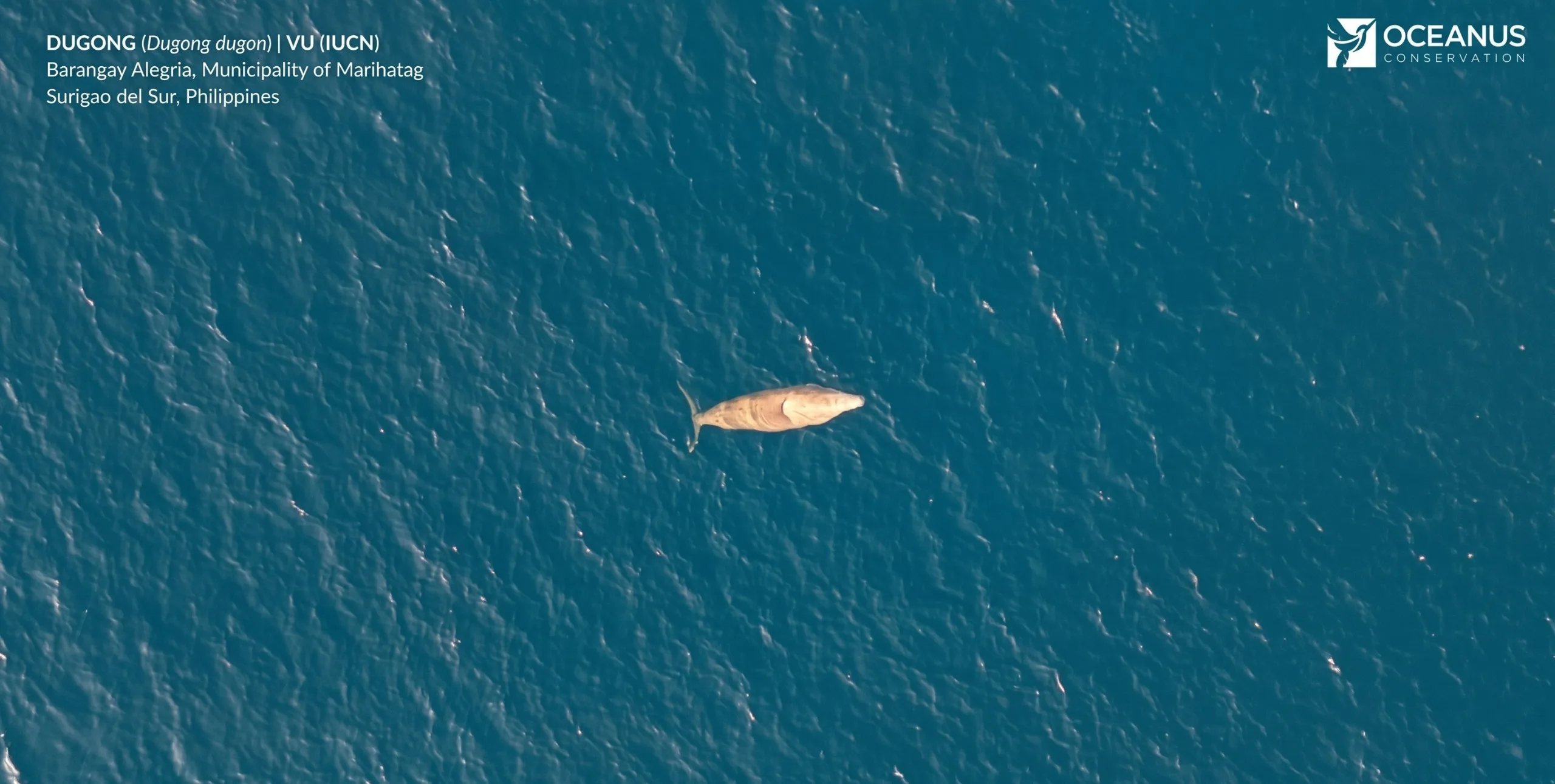
MARIHTAG, SURIGAO DEL SUR — A rare dugong sighting off the coast of Marihatag, Surigao del Sur, has given marine conservation efforts in the area a welcome boost after the animal was spotted swimming near the water’s surface in September 2026. The encounter was captured on video by the Dugong Bughaw Team, which has spent nearly five months conducting land-based and drone surveys along the municipality’s coastal waters. The clear footage provides valuable documentation of a dugong in an area where sightings have been limited, offering conservationists important information for continued monitoring. The observation comes amid reports of dugong strandings and deaths in nearby areas earlier this year, making the documentation particularly significant for local conservation efforts. While a single sighting does not establish the condition or size of the local population, it provides evidence that dugongs are present in Marihatag waters and underscores the need for continued observation and habitat protection.
Months of Monitoring Lead to a Rare Sighting
The documented encounter followed months of regular monitoring by the Dugong Bughaw Team, which conducts surveys from both land and the air using drones. The team works with coastal communities, bantay dagat groups, and the Local Government Unit of Marihatag to gather information and support efforts to protect dugongs and their marine habitats. Such collaboration is particularly important in areas where marine wildlife remains understudied. The information collected through repeated surveys can help conservation groups better understand dugong presence, movement, and potential threats while providing a basis for future protection measures.
Protecting Seagrass Habitats
Dugongs, locally known as “duyongs,” are herbivorous marine mammals that depend heavily on seagrass meadows for food. Protecting these underwater habitats is therefore closely linked to maintaining suitable areas for dugongs and other marine species. The Dugong Bughaw Team continues to emphasize the importance of further research and regular data collection to understand the local population and the pressures affecting their habitat. Conservation efforts also involve working with coastal communities to encourage practices that allow marine resources and wildlife to coexist with local livelihoods. Dugongs are classified as Vulnerable on the International Union for Conservation of Nature (IUCN) Red List of Threatened Species and are protected in the Philippines under DENR Administrative Order No. 55, series of 1991. The Marihatag sighting highlights how sustained monitoring and community participation can contribute to protecting the municipality’s marine biodiversity.