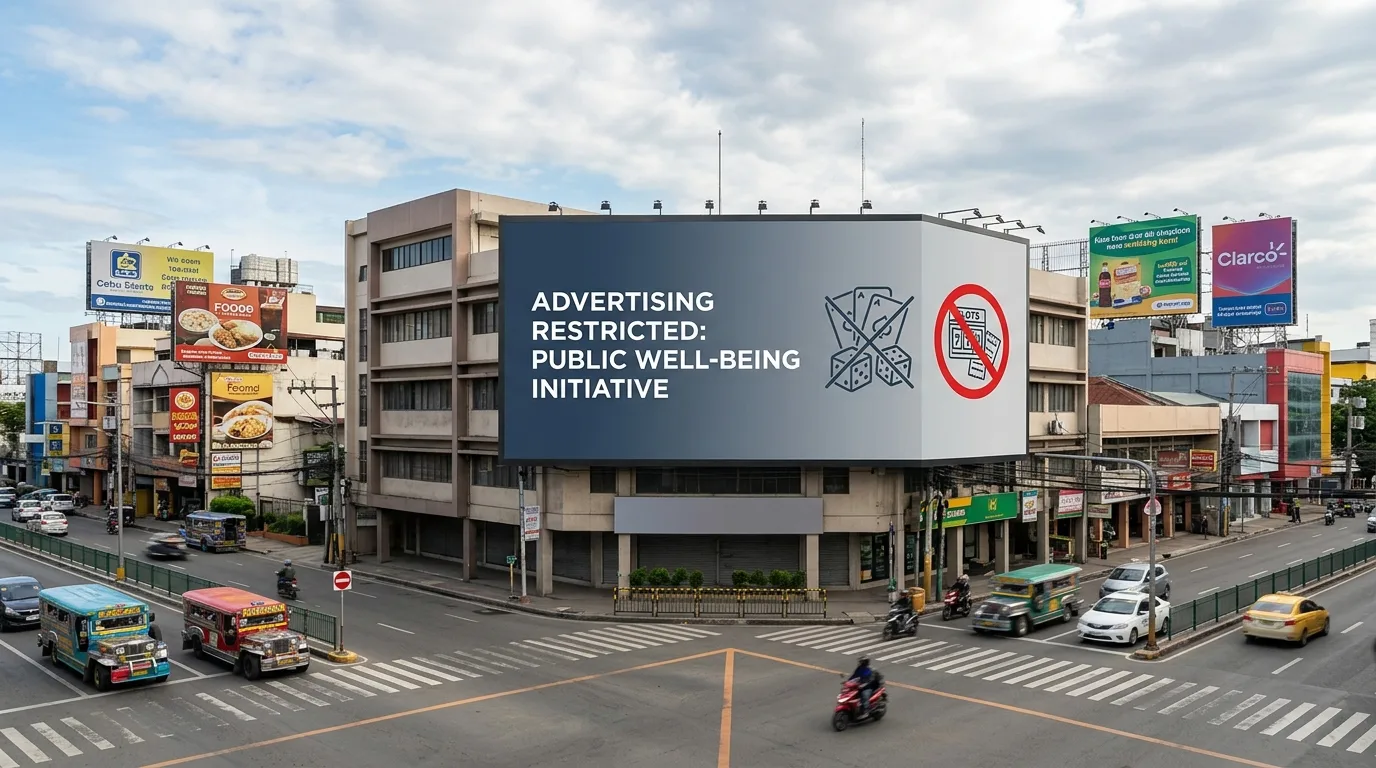
Cebu — The city is currently weighing a significant legislative move that could reshape the city's advertising landscape. Councilor Joel Garganera has introduced a proposed ordinance seeking a comprehensive ban on all forms of gambling advertisements throughout the city. The primary objective behind this bold proposal is to prioritize public morality and shield vulnerable sectors, particularly the youth, from the pervasive influence of gambling promotion. As the city government deliberates on the potential implications, the debate underscores a growing concern regarding the impact of high-frequency betting advertisements on the local community.
Intent and Rationale Behind the Proposed Ban
The push for a total ban is rooted in the belief that gambling ads, which frequently appear on billboards, digital screens, and mobile platforms, normalize gaming behavior and may contribute to addiction. Councilor Garganera emphasizes that the city has a moral obligation to regulate the visibility of these ads, particularly in spaces frequented by children and families. By removing these prompts from the public eye, proponents believe the city can create a healthier, more neutral urban environment. This initiative reflects a broader movement within local government units to tighten regulations around industries that impact social well-being and public behavior.
Navigating Legal and Constitutional Complexities
While the city government broadly supports the intent to safeguard the community, the proposal faces complex legal considerations. The Cebu City Legal Office has reviewed the ordinance and recommended refining the language to ensure it strictly adheres to constitutional rights and territorial jurisdiction. The challenge lies in balancing the city's power to regulate commerce and protect welfare against the rights of businesses to operate within the bounds of national law. Ongoing discussions focus on how to craft a policy that is enforceable, legally sound, and immune to potential challenges from the affected gaming sectors.
Stakeholder Perspectives and Next Steps
The conversation around the ban extends far beyond city hall, drawing attention from various community leaders, business representatives, and public advocates. As the City Council continues to deliberate, the next phases will involve public hearings and a deeper analysis of the ordinance’s long-term socioeconomic impact. The goal is to reach a resolution that satisfies the city’s mandate for public protection while maintaining clarity on how businesses can navigate the proposed limitations. As it stands, the proposal remains a focal point for Cebu City’s 2026 legislative agenda, highlighting a critical tension between commercial freedom and public health.