


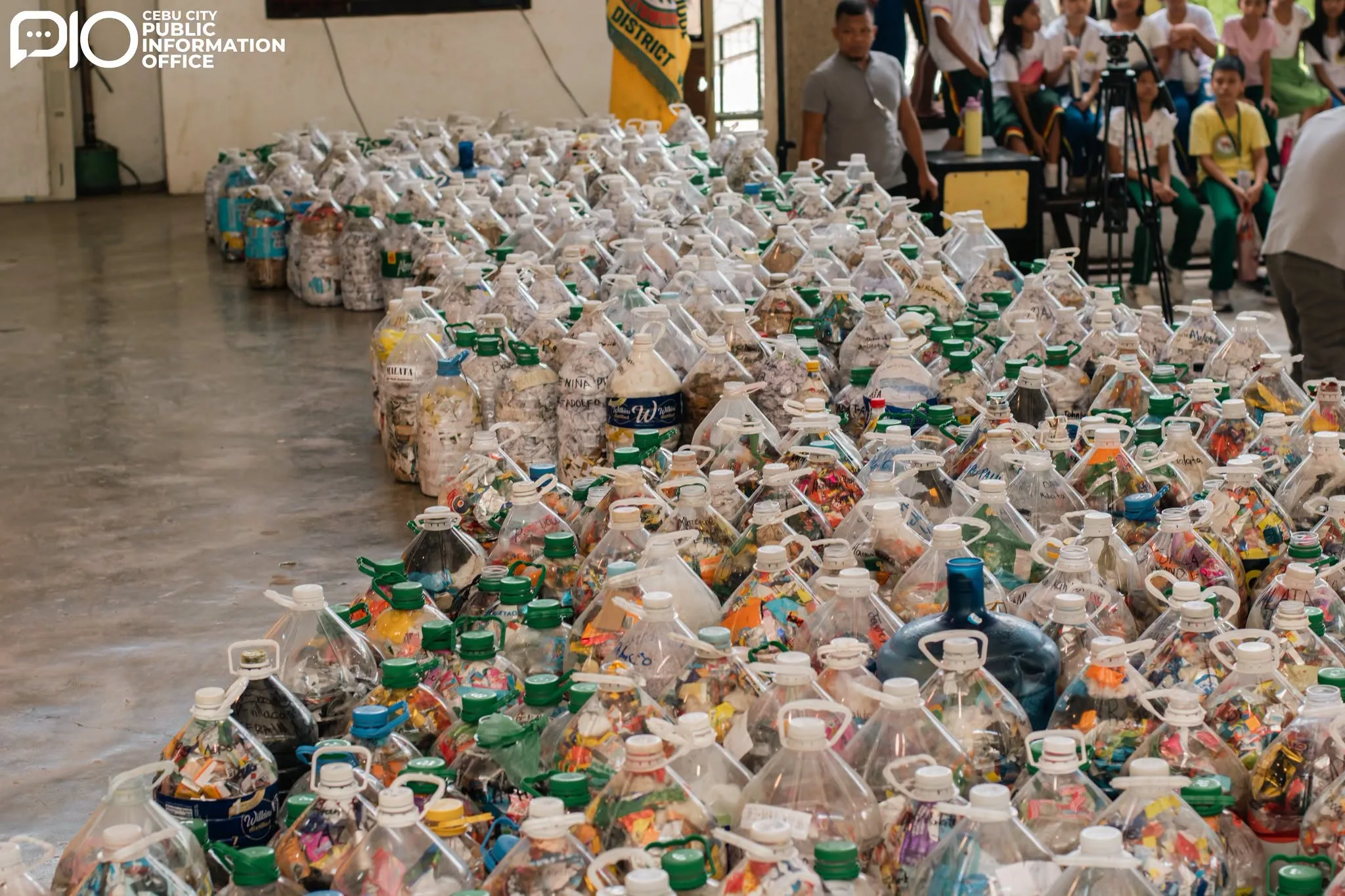
CEBU CITY — The Cebu City Government expanded its "Basura Namo, Kaugmaon Nato" waste diversion program to four more public schools on September 30, 2026. The initiative now covers 30 schools, transforming campuses into frontline hubs for segregation, composting, and flood prevention.
A Citywide Push for Zero Waste
Mayor Nestor Archival led the launch at Bulacao Community School, joined by Vice Mayor Tomas Osmeña, school principals, teachers, PTA officers, and students. The four new participants were Bulacao Community School and High School, Tisa II Elementary and High School, Mambaling Elementary and High School, and Abellana National School.
During the launch alone, the schools collected 5,271.8 kilograms of waste. Of that total, 4,374.8 kilograms were biodegradable and 896.9 kilograms were non-biodegradable. These figures demonstrate the massive volume that can be diverted from landfills when communities act together.
Cash Incentives Drive Household Participation
Students received cash incentives for the segregated waste they brought from home. This approach encourages waste segregation at the household level while providing immediate economic benefits to families. The program rewards civic responsibility with tangible returns.
Mayor Archival emphasized that the collected biodegradable waste will be brought to the city's Ecostation at the South Road Properties for composting. Plastics will be shredded and incorporated into asphalt mix for road repairs. This upcycling model transforms garbage into valuable resources.
"Instead of throwing them and spending a lot of money, kita atong gikuha, atong gihimo," Archival said. "We call that upcycling. You are the leaders in your schools, and we need to do something for our community."
Reducing Hauling Costs and Flood Risk
Hauling municipal garbage to distant disposal sites costs Cebu City up to ₱3,906 per ton. Diverting thousands of kilograms at the school level directly reduces hauling expenses, freeing public funds for other programs. The savings compound as more schools join.
Uncollected plastic waste frequently clogs urban drainage channels, causing severe flash floods during heavy rains. Removing plastics from the waste stream before they reach the streets keeps canals clear. The program addresses both environmental and public safety concerns simultaneously.
Building a Circular Economy
Collected organic waste is sent to the SRP Ecostation for composting, providing soil nourishment for urban gardens. Plastic waste is integrated into asphalt mixtures, cutting raw material costs for infrastructure projects. This creates a self-sustaining cycle where waste becomes an input for city services.
Embedding segregation into school routines builds early environmental literacy and habit formation across households. Students, teachers, and PTA leaders become agents of change in their communities. The program offers a scalable model to reduce municipal solid waste volume at the source.
Expanding Impact Across the City
With the addition of four schools, the initiative now reaches 30 public schools. Each new campus amplifies the program's impact on waste reduction and community engagement. The city government plans to continue expanding to more schools in the coming months.
The program demonstrates that environmental solutions can also deliver economic and social benefits. By treating waste as a resource, Cebu City moves closer to a sustainable future where garbage fuels progress rather than pollution.
