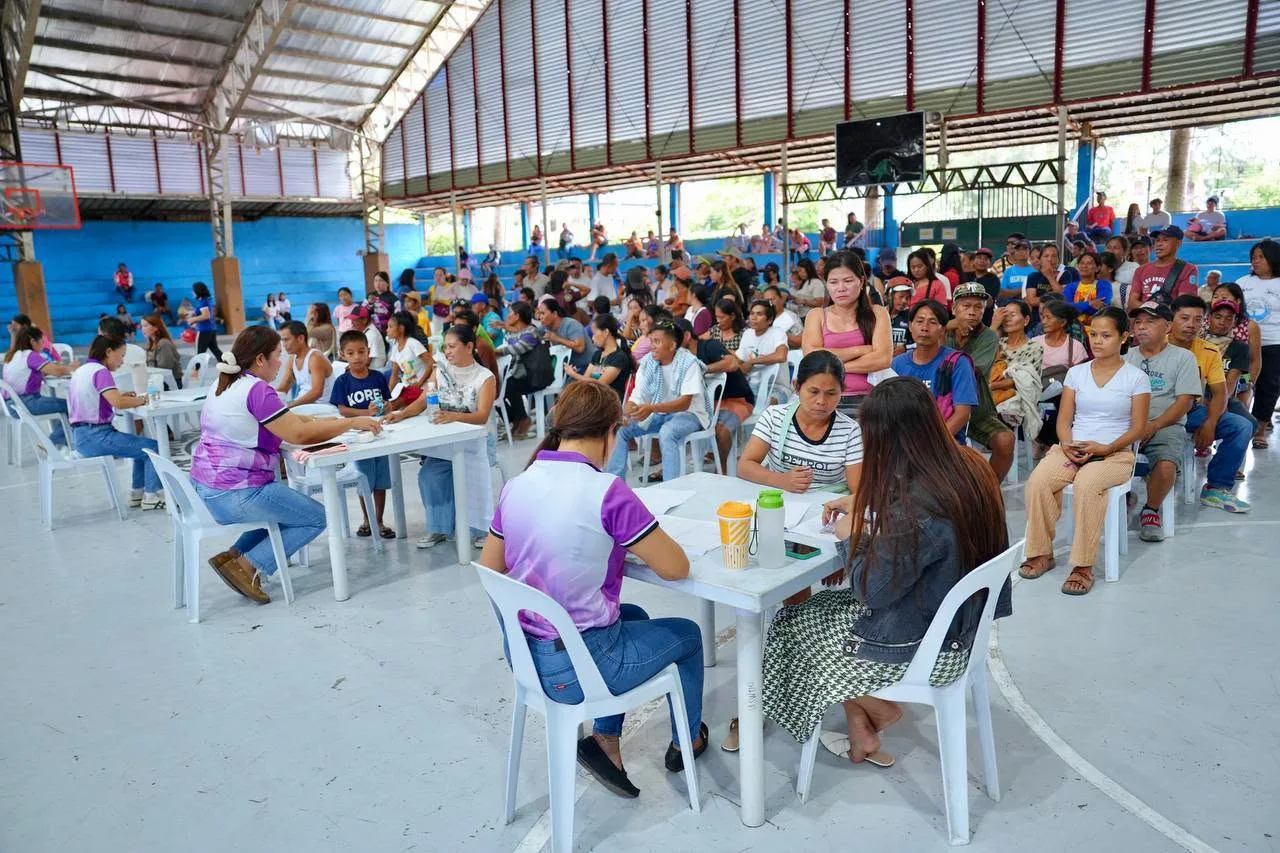
BALAMBAN, Cebu — More than 4,600 families in midwestern Cebu received financial and agricultural assistance on September 10, 2026, as the Cebu Provincial Government continued its recovery efforts for communities affected by Typhoon Tino. The aid brought immediate relief to households still rebuilding their lives after the devastation.
Direct Financial Support for Recovery
In Balamban, 4,363 beneficiaries each received ₱10,000 in financial assistance to help cover basic household needs. In neighboring Asturias, 320 affected families received the same amount to begin rebuilding their homes and livelihoods. The cash grants provide crucial liquid capital for repairs and daily expenses.
The direct cash infusion allows families to address their most pressing needs without incurring high-interest debt. For many, the funds represent the difference between temporary displacement and a return to normalcy. The distribution reflects the provincial government's commitment to standing with communities long after the storm has passed.
Food Security and Agricultural Aid
The Provincial Agriculture Office distributed 10-kilogram bags of rice to each beneficiary. The rice came from the national government under the Bigay Bigas para sa Masa program, ensuring that families have one less expense to worry about as they recover.
The Provincial Veterinary Office also provided medicines and other veterinary supplies to help farmers care for surviving livestock and pets. This assistance prevents disease outbreaks that could wipe out remaining rural family assets. Protecting these animals safeguards the livelihoods of farming households who depend on them for income and food.
Rebuilding Livelihoods in Rural Communities
The aid distribution recognizes that disaster recovery extends beyond immediate shelter and food. Farmers and livestock raisers in Balamban and Asturias need support to stabilize production and regain their economic footing. The veterinary supplies and agricultural assistance address this critical need.
By investing in livelihood recovery, the provincial government helps families move from survival mode to rebuilding mode. The support enables them to restore productive activities that sustain their households and contribute to the local economy. This holistic approach to recovery strengthens community resilience for future challenges.
A Coordinated Government Response
The distribution demonstrates operational coordination between the Cebu Provincial Government, national agencies, and municipal local government units. The Bigay Bigas program provided rice, while provincial offices handled financial aid and veterinary support. This multi-tiered delivery ensures comprehensive assistance reaches those who need it most.
The effort reflects lessons learned from previous disasters, where fragmented aid delivery often left gaps in support. By coordinating across levels of government, the province maximizes resources and minimizes duplication. Local officials work closely with provincial teams to identify beneficiaries and facilitate distribution.
Local Economic Impact
The infusion of over ₱46 million directly into local households boosts consumer spending power. These funds flow straight into local public markets, hardware stores, and small sari-sari stores in Balamban and Asturias. The economic stimulus helps revive local commerce that may have slowed after the typhoon.
Vendors and shopkeepers benefit from increased customer traffic as families purchase building materials, food, and other essentials. This circulation of money within the community creates a multiplier effect that accelerates overall recovery. The aid distribution thus serves both immediate relief and long-term economic revitalization.
Moving Forward Together
As Cebu continues to recover from Typhoon Tino, the provincial government remains focused on supporting affected communities. The aid distribution to Balamban and Asturias is part of a broader effort to reach all affected areas. Officials have pledged continued assistance until every family has the resources to rebuild.
The resilience of Cebuano communities shines through as they work together to overcome adversity. With government support and community solidarity, families in midwestern Cebu are steadily rebuilding their lives and their futures.