


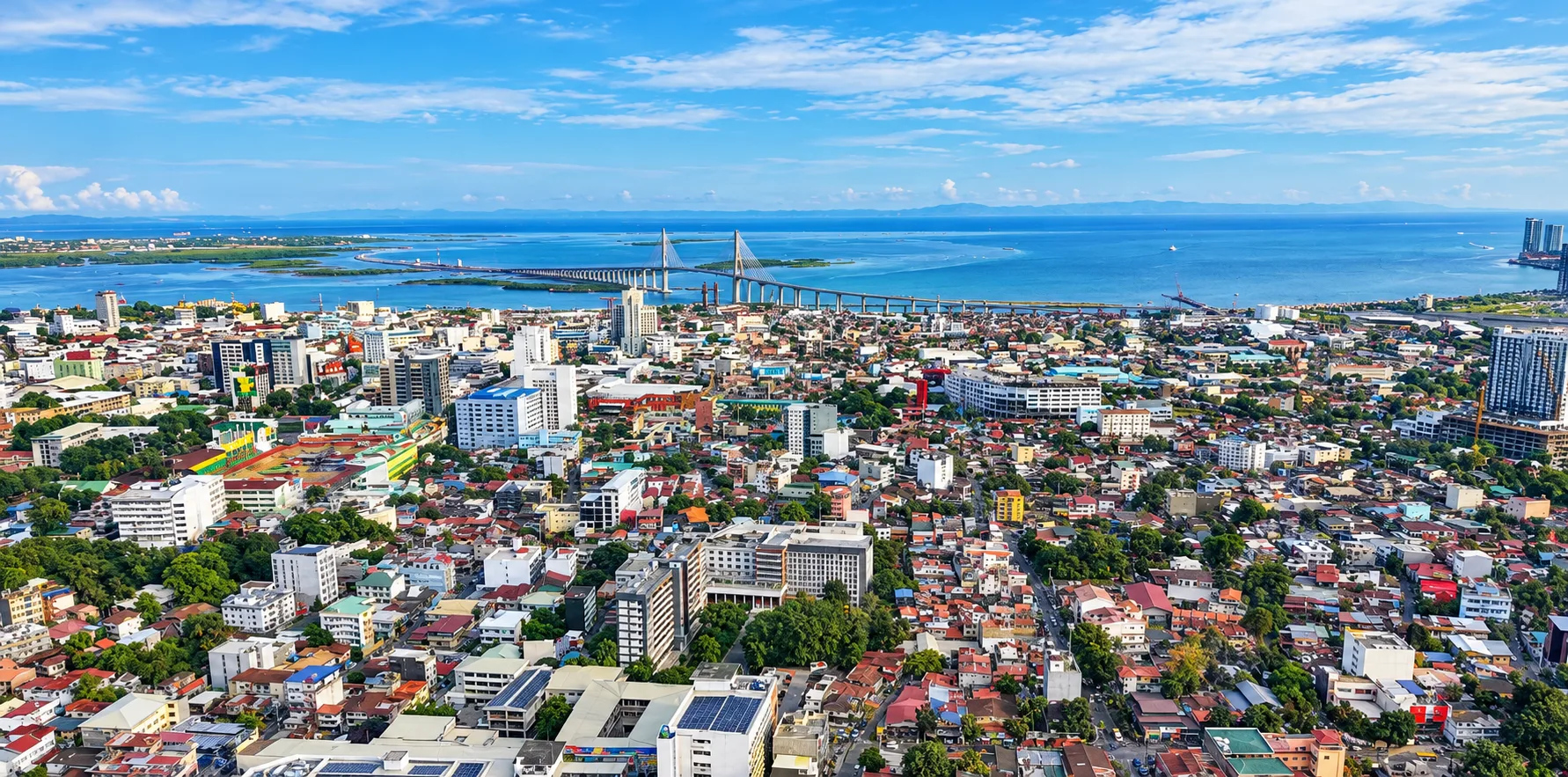
CEBU — Cebu City ranked 474th out of the world's 1,000 largest cities in the Oxford Economics Global Cities Index 2026, placing fourth among Philippine cities. The ranking offers a detailed diagnostic of the city's strengths and bottlenecks.
A Competitive National Landscape
The 2026 index ranked Manila first in the country at No. 174 globally, followed by Angeles City at No. 388 and Davao City at No. 470. Cebu City came in fourth, just four places behind Davao, while Bacolod placed fifth at No. 504. Cagayan de Oro ranked sixth at No. 530, followed by Dagupan at No. 620, General Santos at No. 818, and Zamboanga City at No. 823.
This represents a shift from 2025, when Cebu was the country's second-ranked city behind Manila. The narrow gap between Davao and Cebu highlights the increasing competitiveness among top-tier regional hubs.
Strong Economic Engine and Talent Pool
Cebu's core strengths lie in its economic performance and human resources. The city ranked 373rd globally in Economics, outperforming Davao by 51 positions. This advantage reflects Metro Cebu's status as the principal business, trade, and logistics hub of the Visayas and Mindanao regions.
The city also ranked 442nd in Human Capital, underscoring its position as an educational beacon. Major universities and technical colleges produce skilled graduates across information technology, nursing, engineering, and maritime studies, ensuring local businesses maintain access to qualified workers.
Pressure Points in Livability and Environment
If Economics and Human Capital represent Cebu's acceleration, Quality of Life and Environment represent the frictional drag slowing its global advancement. Cebu ranked 670th in Quality of Life and 437th in Environment.
A ranking of 670th in Quality of Life highlights real-world pressures felt daily by residents. Traffic congestion along major arteries increases transit times and logistics costs, while rapid commercial growth has elevated land and residential prices, stretching housing affordability for middle- and lower-income workers.
Environmental Vulnerability and Governance
Davao's surge past Cebu in overall rankings was primarily propelled by its environmental performance, ranking 299th globally versus Cebu's 437th. Metro Cebu faces mounting challenges regarding rapid urban footprint expansion, recurring drainage and flooding issues, and waste management complexities.
The city also ranked 583rd in Governance. Strengthening inter-city cooperation through a unified Metro Cebu Development Framework will be essential for synchronized policies on traffic management, solid waste disposal, and land-use zoning.
Strategic Roadmap for Ascent
To close the gap with top global performers, Metro Cebu's public and private sectors must collaborate on targeted interventions. Prioritizing green and resilient infrastructure, including flood mitigation and sustainable transportation, is critical.
Modernizing urban planning through polycentric development and affordable housing initiatives will improve livability. Shifting toward higher-value sectors such as artificial intelligence and software engineering will boost income levels and enhance the Human Capital score.
