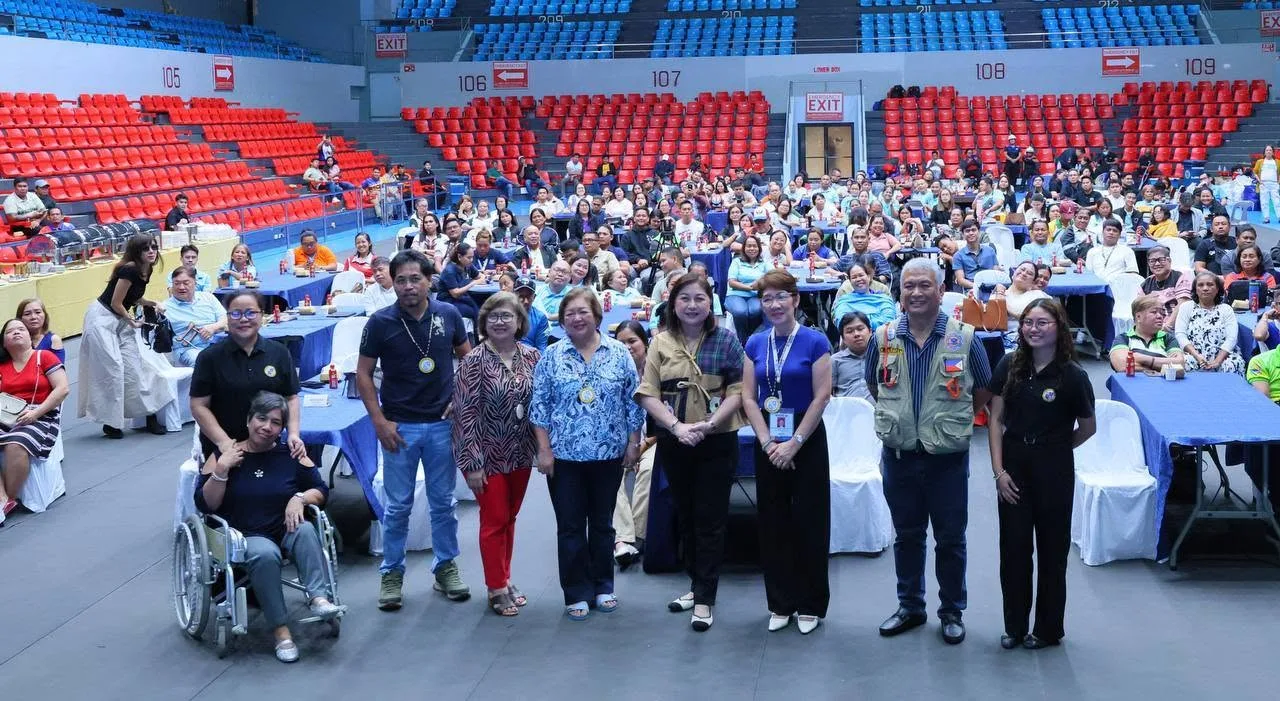
CEBU, PHILIPPINES — The Cebu Provincial Government gathered local leaders and organizations of persons with disabilities on July 31, 2026, for a summit dedicated to making disaster preparedness truly inclusive. Held at the Hoops Dome, the event marked a significant step toward protecting every Cebuano, regardless of ability.
A Summit Focused on Inclusion
The Cebu Disability-Inclusive Disaster Risk Reduction (DiDRR) Summit brought together municipal mayors, disaster risk reduction officers, and national agency representatives. The goal was clear: embed the needs and voices of persons with disabilities directly into local disaster plans. The gathering served as the culminating activity for National Disaster Resilience Month.
Governor Pamela Baricuatro, in a pre‑recorded message, stressed that disaster preparedness must leave no one behind. She emphasized that persons with disabilities deserve equal protection and opportunities to lead in resilience efforts. Her message set the tone for a day focused on action, not just awareness.
Voices of Leaders and Advocates
Lapu‑Lapu City Mayor Cindi King Chan welcomed participants and thanked the provincial government for organizing the summit. She highlighted that protecting the most vulnerable is a continuing responsibility that demands constant collaboration. Her remarks underscored the city’s commitment to accessible emergency management.
The summit drew key figures from across the province, including DSWD Regional Director Shalaine Lucero, Pilar Mayor Manuel Santiago, and Dalaguete Mayor Nelin Belciña‑Tambis. Alegria Vice Mayor Verna Magallon also attended, reflecting a broad coalition of local governments. The presence of the Cebu Disability‑Inclusive Disaster Risk Reduction Network, led by President Corazon Clarin, ensured that the discussions were grounded in the lived experiences of PWDs.
Practical Steps Toward Safety
Discussions centered on practical ways to integrate disability‑inclusive policies into every phase of disaster management. Participants examined how to improve early warning systems, making them accessible to those with visual or hearing impairments. They also addressed the need for evacuation centers that meet universal accessibility standards.
A critical focus was the collection of disaggregated data on PWD populations in disaster‑prone areas. Accurate data allows emergency responders to locate and assist persons with disabilities quickly during crises. The summit also encouraged local government units to pass ordinances that institutionalize inclusive disaster risk reduction frameworks.
Building a Network of Resilience
The event was supported by partners including the A2D Project and the Ramon Aboitiz Foundation Inc., showcasing the power of multi‑sectoral collaboration. By linking DRRM offices with civil society and academic groups, the summit built a stronger support network. This approach ensures that inclusive practices are sustained long after the event ends.
While the summit took place in Lapu‑Lapu City, Governor Baricuatro was simultaneously in Bohol signing the historic SugBohol Sisterhood Agreement. That agreement further strengthens inter‑provincial cooperation on disaster resilience and other key sectors. The dual events demonstrate Cebu’s leadership in building a culture of preparedness that truly includes everyone.