Cebu — Recent actions by the Department of Environment and Natural Resources (DENR) to halt dumping at the South Road Properties (SRP) have reignited a critical conversation about long-term waste management in Cebu City. Observers and residents alike are once again facing the harsh reality of an insufficient waste disposal strategy, prompting a fresh look at how the city handles its daily garbage output. The situation at the SRP has become a focal point for environmental advocates, who emphasize that a modern, bustling city like Cebu deserves a more permanent and sustainable solution than temporary dumping sites. This challenge serves as a wake-up call for the city to address its "trash limbo" through comprehensive policy reform and technological investment.
The Reality of Urban Waste
The environmental impact of current practices is becoming impossible to ignore, with reports of pollution and disruption affecting both the natural environment and nearby commercial developments. For a city that prides itself on its rapid economic growth, the inability to manage its own waste creates a paradox that residents find increasingly difficult to reconcile with their image of a progressive hub. The voices calling for change are growing louder, pointing toward the need for modern waste-to-energy facilities or highly efficient recycling programs that can handle the volume of a major metropolitan center. It is a complex issue, but one that is at the very core of how the city plans to grow over the next decade.
Learning from Past Mistakes
Looking back at the history of landfill issues, it becomes clear that temporary measures have only served to delay the necessary, more expensive, and more complex infrastructure decisions. The current situation at the SRP is being seen as a catalyst for local officials to finally commit to a sustainable, city-wide waste management master plan. Advocates are pushing for transparency in the planning process, demanding that any future site be located and managed using the best possible environmental standards. It is a test of political will, as the city must balance the needs of its people with the urgent demands of its ecological footprint.
Moving Toward a Cleaner Future
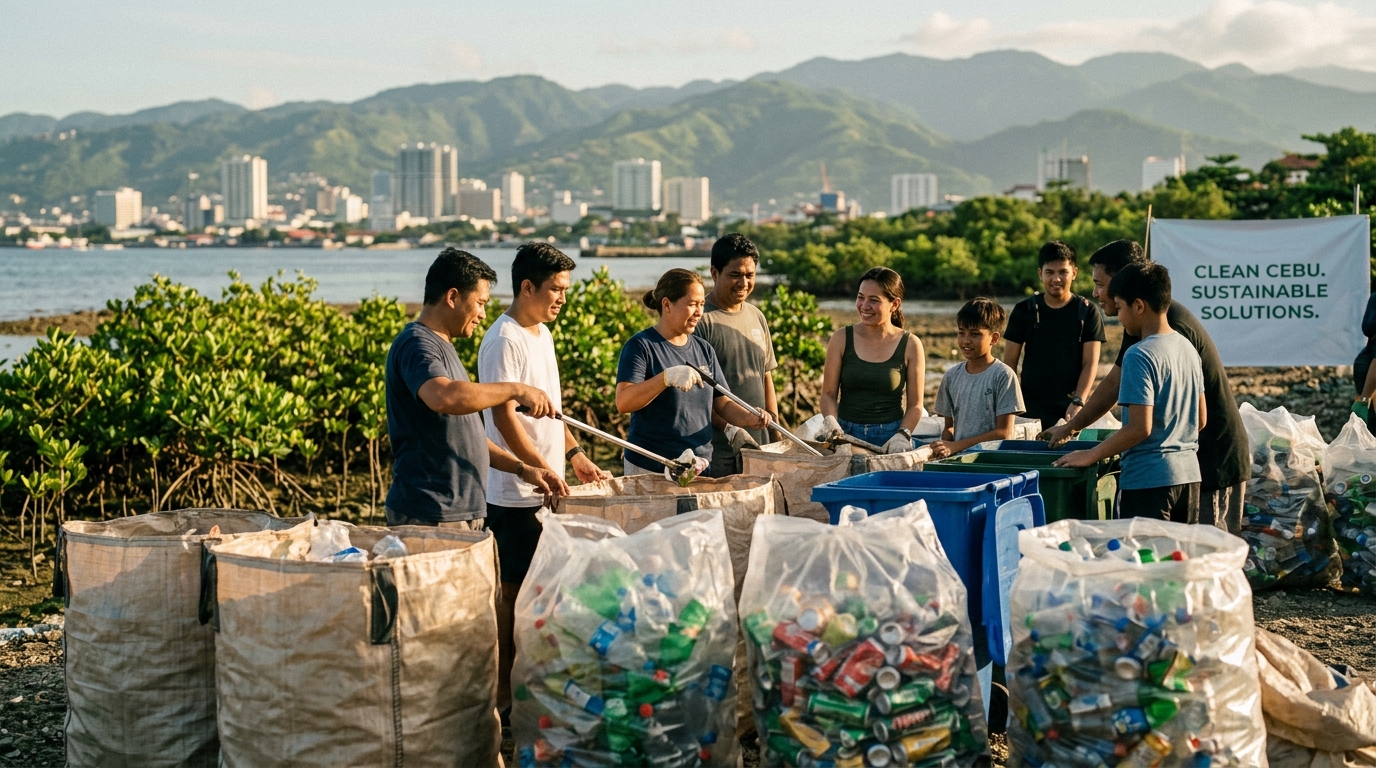
As the city evaluates its options, the focus is shifting toward innovative technologies that could turn waste into a resource, such as composting programs or advanced processing plants. Community groups and private sector partners are beginning to engage in discussions about how their combined efforts could alleviate the burden on the city’s resources. The goal is to move beyond the cycle of temporary fixes and instead build a system that is robust, clean, and capable of supporting Cebu's future. For the people of Cebu, this is not just an environmental issue—it is a matter of ensuring that the city they love remains clean, healthy, and livable for all.