


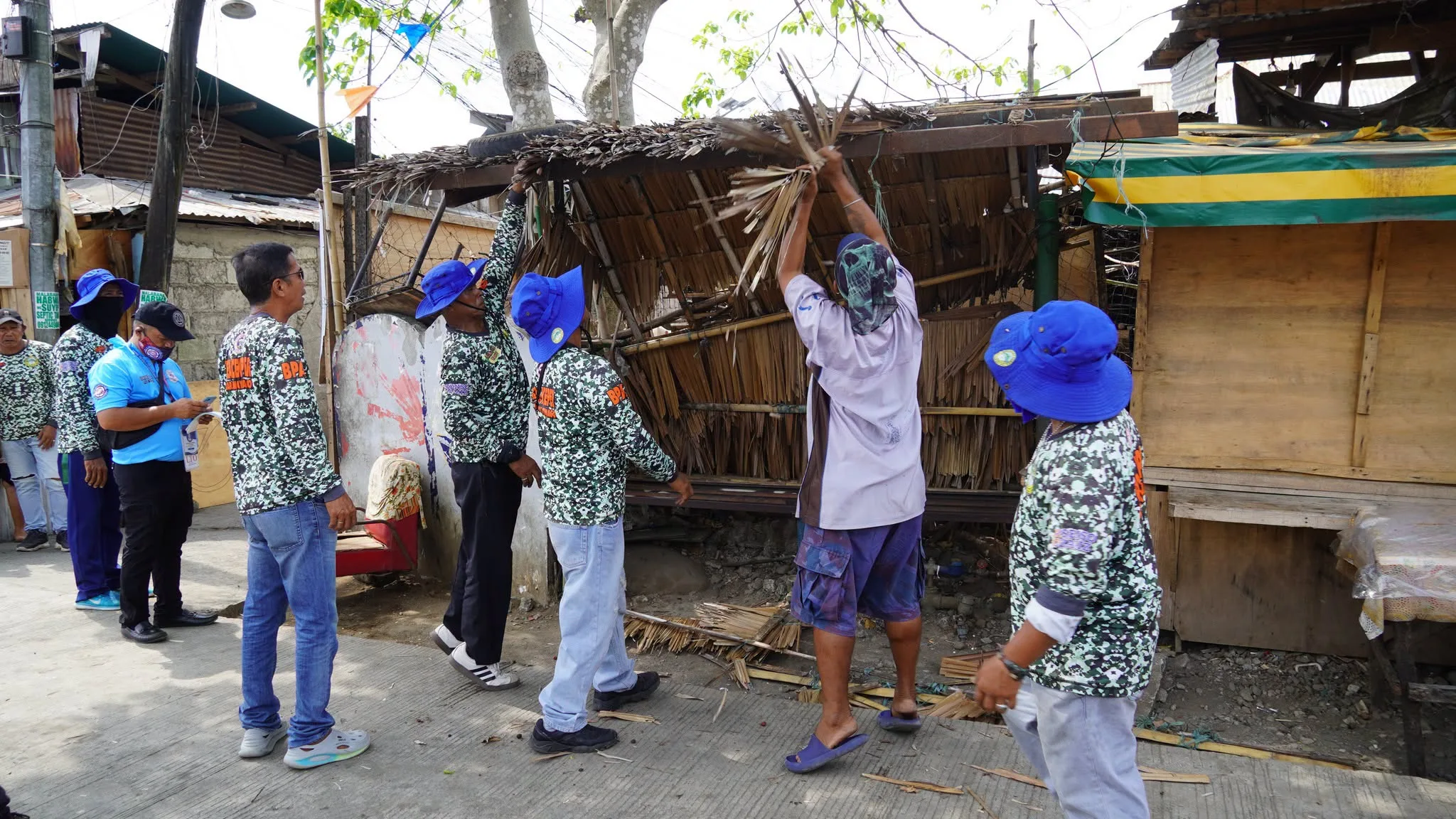
A Street Made Easier to Navigate
OZAMIZ CITY - For people passing through Barangay Tinago, a clear road can make a noticeable difference to an ordinary trip. A joint road-clearing operation was conducted along Ostia Avenue by DILG-Ozamiz, the LGU of Ozamiz, and the Inter-Agency Task Force, with the goal of keeping the route more orderly and passable. The effort reflects the practical side of local governance: looking at the streets people use every day and addressing conditions that can interfere with movement. DILG guidance describes road clearing as a way to remove obstructions from public roads, sidewalks, and alleys so these spaces remain accessible for transportation and essential services.
Cooperation Where Traffic Actually Happens
Road clearing is not simply about making a street look neat. When obstructions are addressed, motorists have more room to move, pedestrians can use public spaces more safely, and emergency vehicles have fewer obstacles to contend with. The Department of the Interior and Local Government has continued to emphasize coordinated road-clearing efforts, including a March 2026 directive encouraging LGUs to keep roads obstruction-free for safer and smoother travel. In Tinago, the participation of several agencies gives the operation a shared-responsibility character. Instead of relying on one office alone, the work brings together government units whose roles intersect on traffic, public order, and the use of public roads.
Small Clearing Work, Everyday Difference
The Tinago operation also shows why road maintenance is an ongoing community concern rather than a one-time activity. Ostia Avenue serves a built-up part of Ozamiz, with businesses, residences, and services located along or near the route. Keeping its public right-of-way usable matters not only to drivers but also to people walking, commuting, shopping, and accessing nearby establishments. DILG materials note that regular clearing and maintenance of roads form part of local government responsibilities. For Ozamiz, the Tinago operation offers a straightforward example of that responsibility being carried out on the ground: clearing space, improving movement, and making an everyday road easier for the community to share.
