


From One-Day Activities to a Citywide Idea
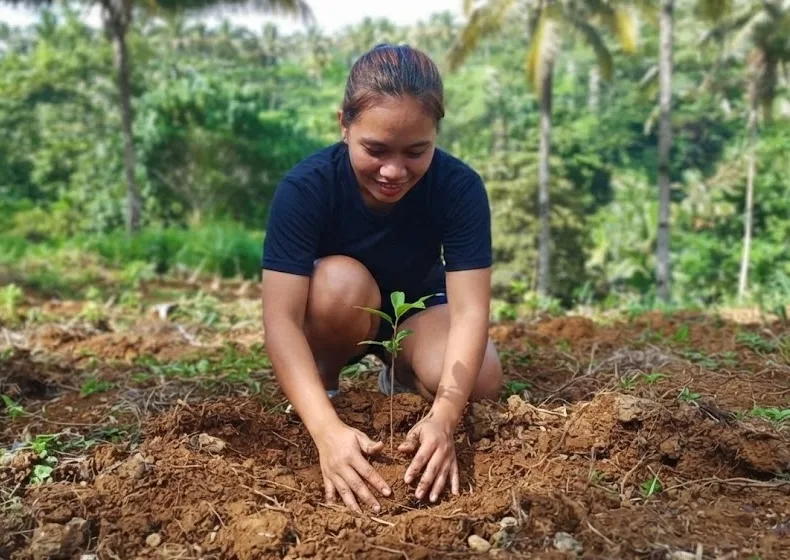
OZAMIZ CITY - Tree planting is already familiar in Ozamiz, but a proposed ordinance could give the activity a different character. Instead of depending mainly on individual campaigns, schools, organizations, or special events, a local measure could establish expectations that apply more consistently across the city. The proposal reported by Misamis News Network in 2026 is therefore worth watching because it introduces the possibility of turning tree planting into part of local policy. There is already evidence of environmental participation in the area: Misamis University documented its MOVE volunteers planting 50 Philippine endemic narra seedlings in nearby Tangub City in 2026, with seedlings supplied by DENR-CENRO Ozamiz.
The Interesting Part Is What Happens After Planting
Putting a seedling into the ground is only the beginning. A useful tree-planting policy would also raise practical questions about where trees should go, which species are appropriate, who will maintain them, and how their survival will be monitored. Those considerations matter because Ozamiz schools themselves continue to deal with situations involving mature trees. In July 2026, the DepEd Division of Ozamiz City issued memoranda concerning recommendations for cutting trees at Ozamiz City National High School and Sangay Integrated School. These examples show why planting policies need to consider safety, location, maintenance, and long-term management rather than simply counting newly planted trees.
A Chance to Think About Ozamiz’s Future Landscape
If adopted, a tree-planting ordinance could eventually influence how residents view greenery in developed areas. The idea could complement existing environmental efforts rather than replace them. Ozamiz already has a history of tree-growing activities through schools and community organizations, while the Philippine Ports Authority has also documented mandatory tree-planting requirements connected with some port operators, showing that planting obligations can be incorporated into operational arrangements. The proposed ordinance could therefore become an opportunity to bring different efforts under a clearer local framework. Its most meaningful result would not simply be the number of trees planted, but whether those trees are properly selected, cared for, and allowed to become lasting parts of Ozamiz's landscape.
