


Native Sweets Carry Their Own Stories
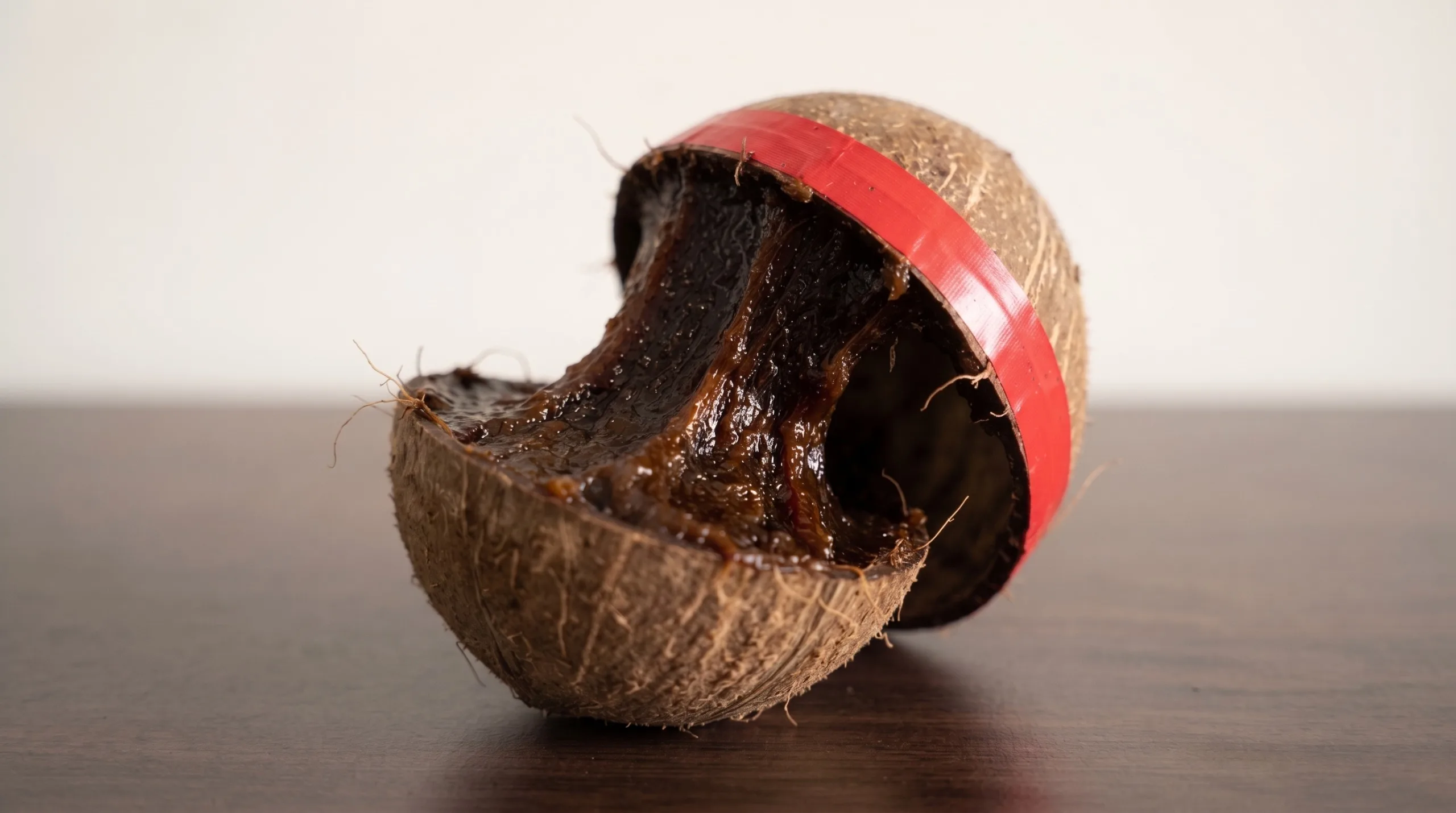
BOHOL - Bohol's traditional food scene also includes native sweets and delicacies that visitors can encounter in local markets and communities. Calamay, made with glutinous rice, coconut milk, and sugar, is among the province's recognizable delicacies and is commonly associated with Jagna. Other traditional treats and rice-based foods reflect the importance of coconut, rice, and locally available ingredients in Boholano cooking. Instead of looking only for dishes that are popular on restaurant menus, travelers can explore these everyday delicacies and ask vendors or residents how they are prepared and when they are traditionally served.
Asin Tibuok Is More Than Just Salt
One of the most distinctive food traditions visitors can encounter in Bohol is asin tibuok, a traditional salt product associated particularly with Alburquerque. Unlike ordinary table salt, it is formed into a large egg-shaped ball through a lengthy process involving seawater, filtration, boiling, and drying. The Bohol Provincial Tourism Office recognizes the practice as part of the province's cultural heritage, making it something worth learning about rather than simply treating as another souvenir. Visitors who encounter asin tibuok can ask about how it was traditionally made and how Boholano households use it in cooking.
Ask Where the Food Came From
A useful way to explore Bohol's cuisine is to ask questions: Who traditionally makes this? Where in Bohol is it associated with? How is it prepared? Those questions can reveal connections between food and particular towns, livelihoods, celebrations, and generations of families. Food traditions also change over time, so what visitors find today may be presented in a modern form while still drawing from older recipes and techniques. For travelers willing to look beyond the most photographed attractions, tasting Bohol's traditional food—and learning the story behind it—can turn an ordinary meal or snack into a small cultural discovery.
