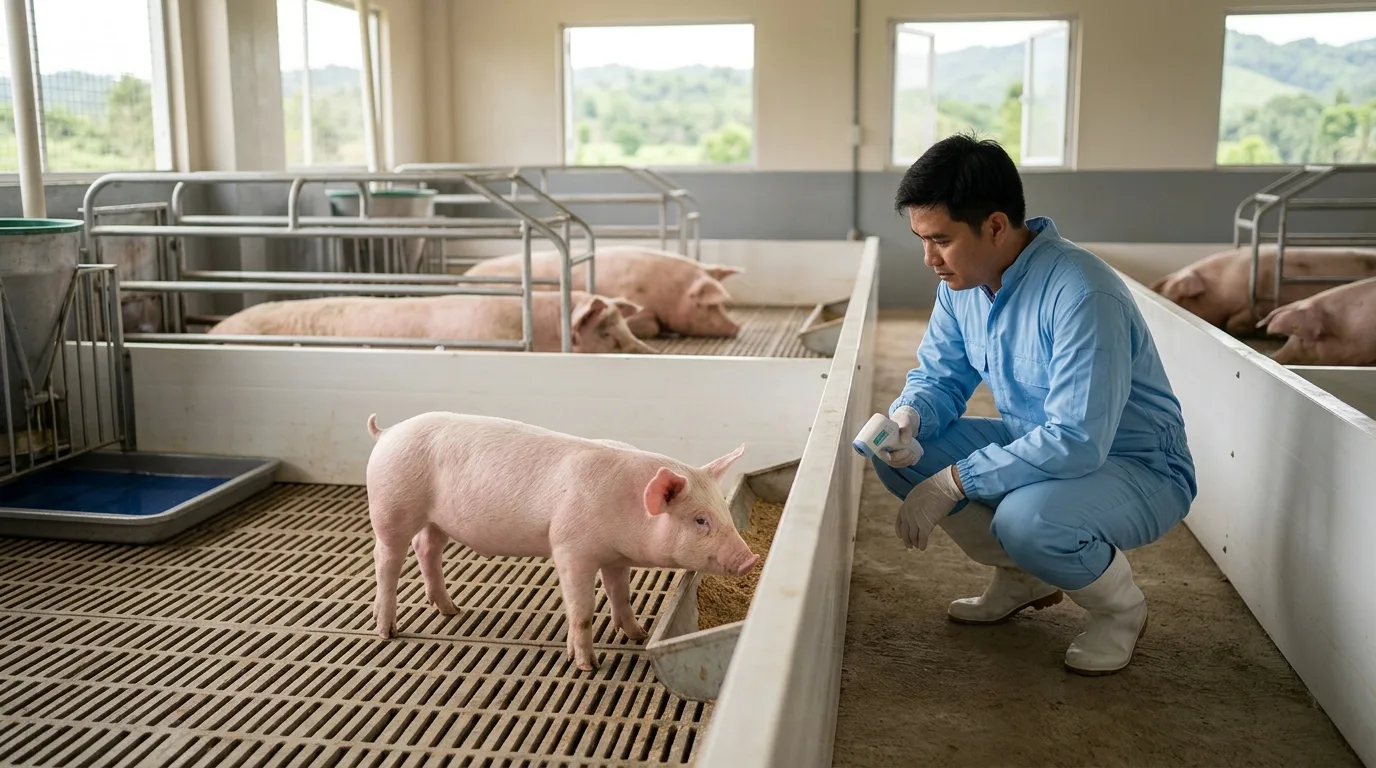
Davao — The Department of Agriculture-Davao Region (DA-Davao) has officially addressed public concerns regarding African Swine Fever (ASF) in Davao de Oro, confirming that there is currently no outbreak in the province. The confusion stemmed from a precautionary executive order issued by the Municipality of Monkayo, which placed the town on heightened alert to prevent potential entry of the virus. DA-Davao Regional Executive Director Macario Gonzaga emphasized that the local government’s proactive security measures, while prudent, were misinterpreted as a response to an active threat.
Understanding the Precautionary Measures
Following the issuance of Executive Order No. 2026-078 by the Monkayo local government, residents expressed widespread concern over the status of the swine industry in the area. The order sought to implement tighter security measures, including restrictions on the transport of unauthorized live swine and pork products, and urged the public to report any signs of illness in livestock. Director Gonzaga clarified during the 12th Durian Festival that these steps were intended as a defensive barrier rather than a reaction to a confirmed case. The agency’s regulatory division has conducted verification procedures and found no evidence of the virus present in the province.
Commitment to the Local Hog Industry
The provincial government of Davao de Oro has been working diligently to restore its hog population following past devastation caused by ASF, underscored by the recent inauguration of a ₱10-million facility designed to bolster industry recovery. Safeguarding this investment is a priority, and the DA-Davao is actively monitoring the situation to maintain the region's disease-free status. Officials are urging hog raisers and the public to disregard unverified social media reports and rely exclusively on official announcements from the Department of Agriculture to avoid unnecessary panic.
Nationwide Vigilance in 2026
While Davao de Oro remains clear, the broader national landscape requires continued vigilance. As of July 10, 2026, the Department of Agriculture reported active ASF cases across several municipalities in 11 provinces nationwide. This reality reinforces the importance of the strict biosecurity protocols currently enforced by regional offices. By staying informed through official channels and adhering to movement restrictions, local communities and hog raisers play a critical role in preventing the spread of ASF and ensuring the long-term stability of the Philippine pork supply.