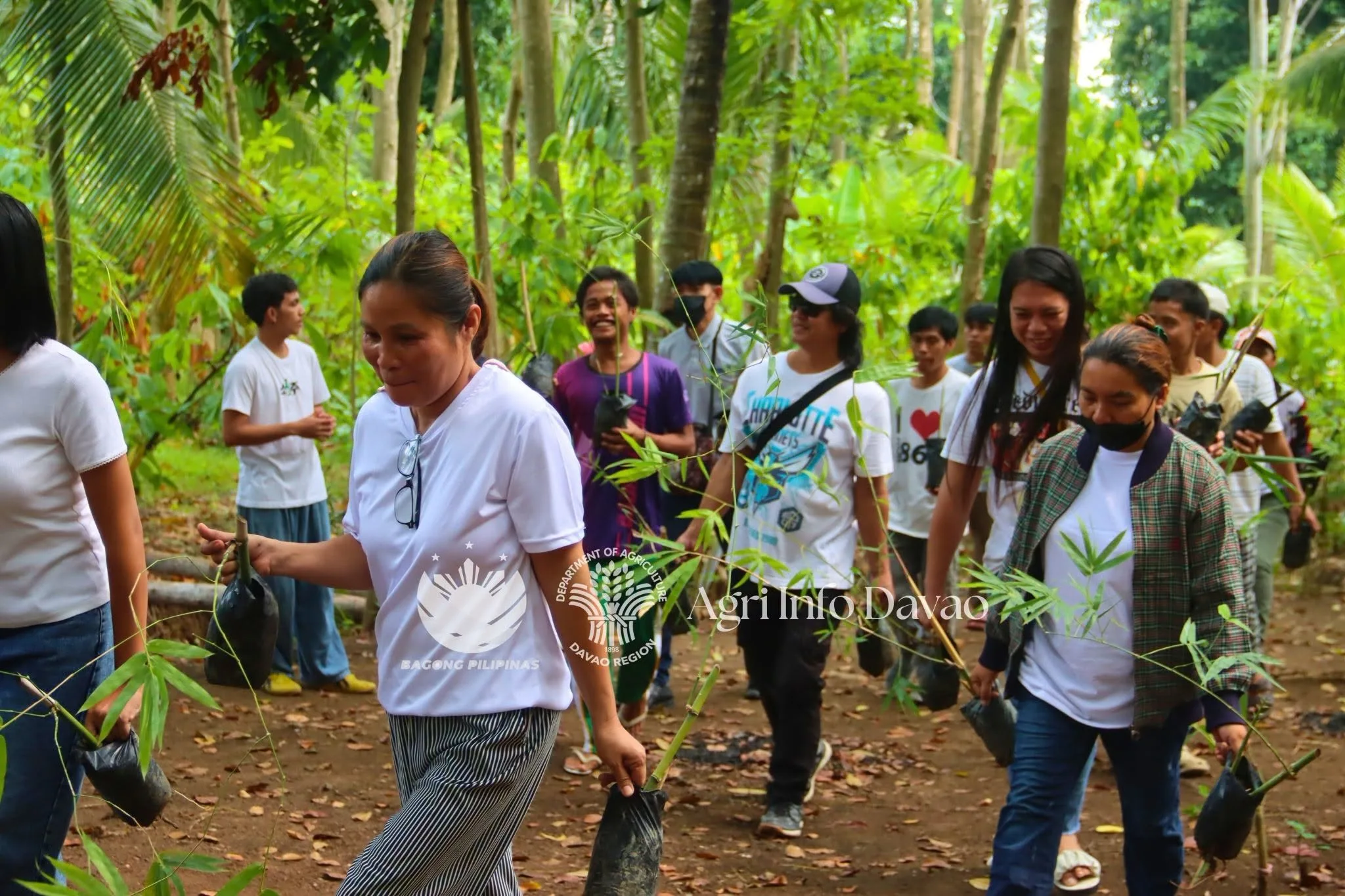
STA. MARIA, Davao Occidental — The Department of Agriculture Region 11, in partnership with the Marforest Training Center and the Local Government Unit of Sta. Maria, celebrated World Bamboo Day on September 18, 2026. The event highlighted bamboo as a sustainable agricultural resource capable of driving climate resilience and rural livelihood growth.
A Celebration of Bamboo's Potential
The celebration carried the theme "Kawayan sa Malikhaing Ekonomiya: Mula sa Tradisyon Tungo sa Inobasyon," emphasizing bamboo's transition from traditional use to modern innovation. Philippine Bamboo Month and World Bamboo Day recognize the crop's role in environmental preservation and economic development.
DA-11, through its High-Value Crops Development Program, joined the LGU of Sta. Maria and other stakeholders in a tree planting activity. The initiative aimed to raise awareness of bamboo's ecological and economic advantages while promoting its cultivation across the region.
Bamboo as a Climate-Resilient Crop
Bamboo is recognized as the fastest-growing plant in the world, making it a renewable alternative to traditional timber. Its rapid root establishment prevents soil erosion, aids in carbon sequestration, and protects vulnerable local ecosystems. These qualities make it valuable for climate adaptation efforts.
HVCDP Agriculturist II Winona Jane T. Aquino, representing Regional Executive Director Macario D. Gonzaga, stressed the importance of the initiative. She said the Department of Agriculture remains committed to supporting programs that promote sustainable agriculture and rural development.
Creating Livelihood Opportunities
Bamboo offers significant potential as a high-value commodity for farmers seeking to diversify their income. Its versatility supports various industries, from furniture and handicrafts to construction materials and food products. Introducing bamboo as a commercial crop can open new markets for rural communities.
The national focus on creative industries aligns with bamboo's many applications. Local artisans can transform raw bamboo into value-added products, generating income while preserving traditional craftsmanship. This approach strengthens rural economies while promoting environmental stewardship.
Strengthening Institutional Partnerships
The collaboration among DA-11, the LGU of Sta. Maria, and the Marforest Training Center ensures long-term technical support for bamboo development. These partnerships provide farmers with access to resources, training, and market linkages necessary for successful cultivation.
Aquino emphasized that farmers and communities are vital partners in achieving sustainable agricultural goals. By working together, government agencies and local stakeholders can create resilient rural communities that benefit from bamboo's ecological and economic advantages.
Building a Sustainable Future
The activity demonstrated the Department's commitment to agricultural diversification and environmental protection. Bamboo's rapid growth cycle allows for frequent harvesting without depleting natural forests, making it an ideal crop for sustainable development.
DA-11 and its partners aim to encourage the widespread adoption of bamboo as a high-value commodity. Through continued collaboration and awareness campaigns, they hope to strengthen rural livelihoods while contributing to climate resilience across Davao Region.