


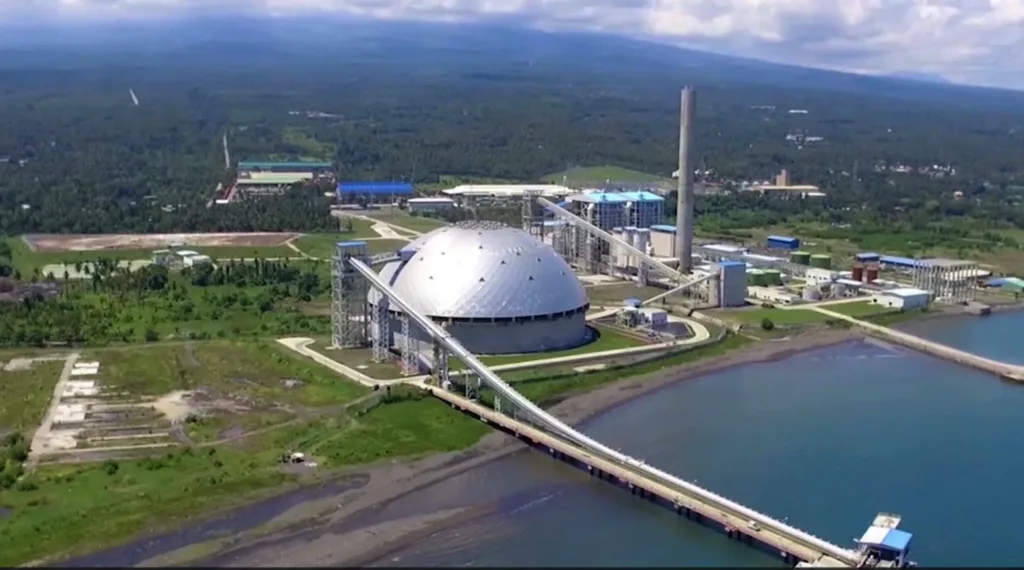
DAVAO CITY — The Davao City Council recently passed a crucial resolution seeking additional power from Therma South Inc. (TSI). This preemptive move aims to mitigate the severe impact of an anticipated strong El Niño, which threatens to significantly cripple the capacity of the Agus Pulangi hydropower source.
Bracing for El Niño’s Impact
Councilor Louie John Bonguyan, chairperson of the City Council Committee on Energy and Power, explained that reduced water flow at the hydroelectric facility could drastically lower its generation. From a full capacity of 100 megawatts, output could plummet to a mere 50 or 60 megawatts, creating a substantial energy deficit.
This drop in hydroelectric power forces the city to seek alternative baseload sources to prevent potential power interruptions. Preparing early is vital to sustaining the city's economic momentum and ensuring that residents do not bear the brunt of unexpected blackouts or shortages.
Reducing Exposure to Spot Market Rates
To cover the shortfall from Agus Pulangi and the coal-fired plant of TSI, Davao Light and Power Company (DLPC) currently sources electricity from the Wholesale Electricity Spot Market. Unfortunately, WESM power prices are notoriously volatile and tend to be significantly higher than standard contracts.
By securing additional power directly from TSI, a sister company under the Aboitiz Power group, the council aims to minimize DLPC's exposure to these expensive spot market rates. Bonguyan emphasized that acquiring cheaper power is the most direct way to lower generation charges for consumers.
Reducing reliance on WESM provides a much-needed financial cushion for local households and businesses. With more affordable energy contracts in place, the city can protect consumers from sudden price surges often triggered by global economic shifts or environmental crises.
Pushing for Expanded Generating Capacity
In line with this goal, the City Council is aggressively pushing for the fast-tracking of TSI's coal-fired plant expansion. The plan involves doubling the facility's current generating capacity from 300 megawatts to a substantial 620 megawatts to meet rising demands.
Bonguyan noted that TSI currently supplies less than 50 percent of DLPC's requirements. Tapping into the plant's excess generation, especially as it undergoes this major expansion, will create a much more stable and affordable power supply for the local power grid.
Upgrading local infrastructure ensures that the city can accommodate future industrial growth and residential expansion. A robust power supply network attracts new investors and guarantees that existing businesses can operate at full capacity without the constant threat of energy constraints.
Securing Davao’s Energy Future
Almost half of Davao’s power is derived from the Agus Pulangi hydropower plant. However, the looming drought underscores the inherent vulnerability of relying heavily on weather-dependent energy sources. Diversifying energy portfolios with dependable baseload plants is essential for building a climate-resilient city.
The proactive resolution by the local government reflects a clear understanding of the economic risks posed by unstable power. A consistent and affordable electricity supply is the backbone of any thriving local economy, ensuring that commercial centers and public services run seamlessly.
