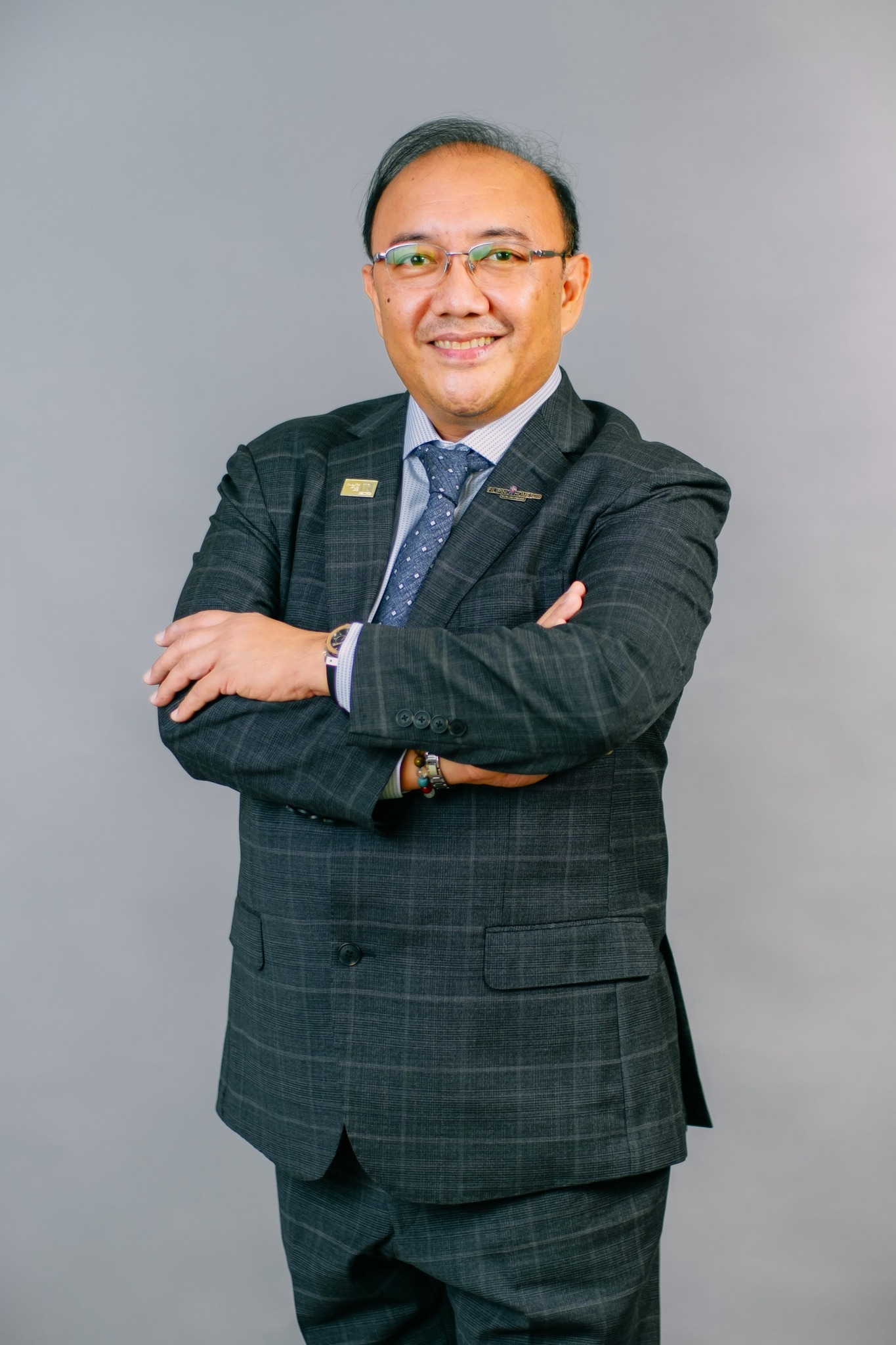
CEBU CITY — When Café Laguna opened the doors to its elegant new home at The Alcoves, Ayala Center Cebu on July 18, 2026, the moment resonated far beyond the dining room. Celebrated Cebuano fashion designer and creative director Dexter Z. Alazas led a chorus of congratulations, framing the restaurant’s return as a triumph of Filipino creativity and cultural pride.
A Designer’s Tribute to Timeless Craft
Alazas, the visionary behind Alazas Atelier, has spent decades elevating Cebuano design from standard luxury wear to a profound movement for heritage preservation. A self-taught couturier who left a nursing career to pursue his true calling, he is now one of the region’s most sought-after designers, dressing political figures, society elites, and national celebrities. His label is synonymous with meticulous craftsmanship and a deep reverence for Filipino identity.
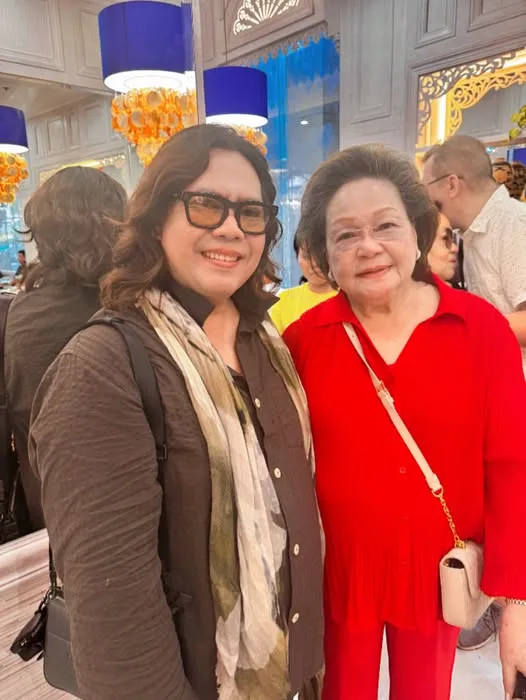
It is this shared commitment to tradition that made his tribute to Café Laguna so resonant. He publicly honored the Urbina family—Madame Julieta Urbina, Pia Urbina, Grace U. Absin, and Jill Viado—for preserving what he called “a timeless part of Cebu’s culinary story.” His words carried the weight of an artist who understands that keeping heritage alive is a daily act of dedication, whether in a kitchen or a couture studio.
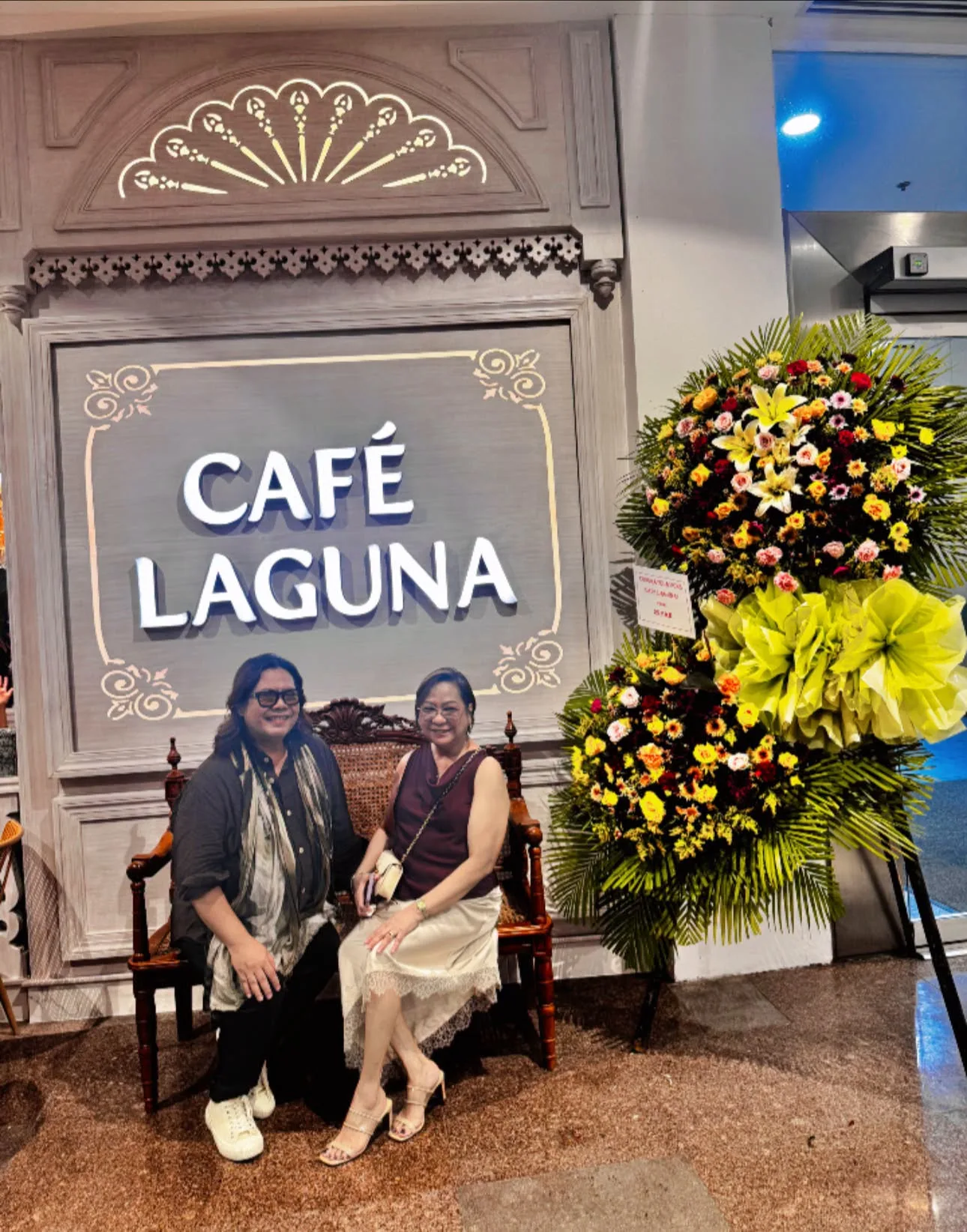
The Alcoves: Where Design Meets Dining
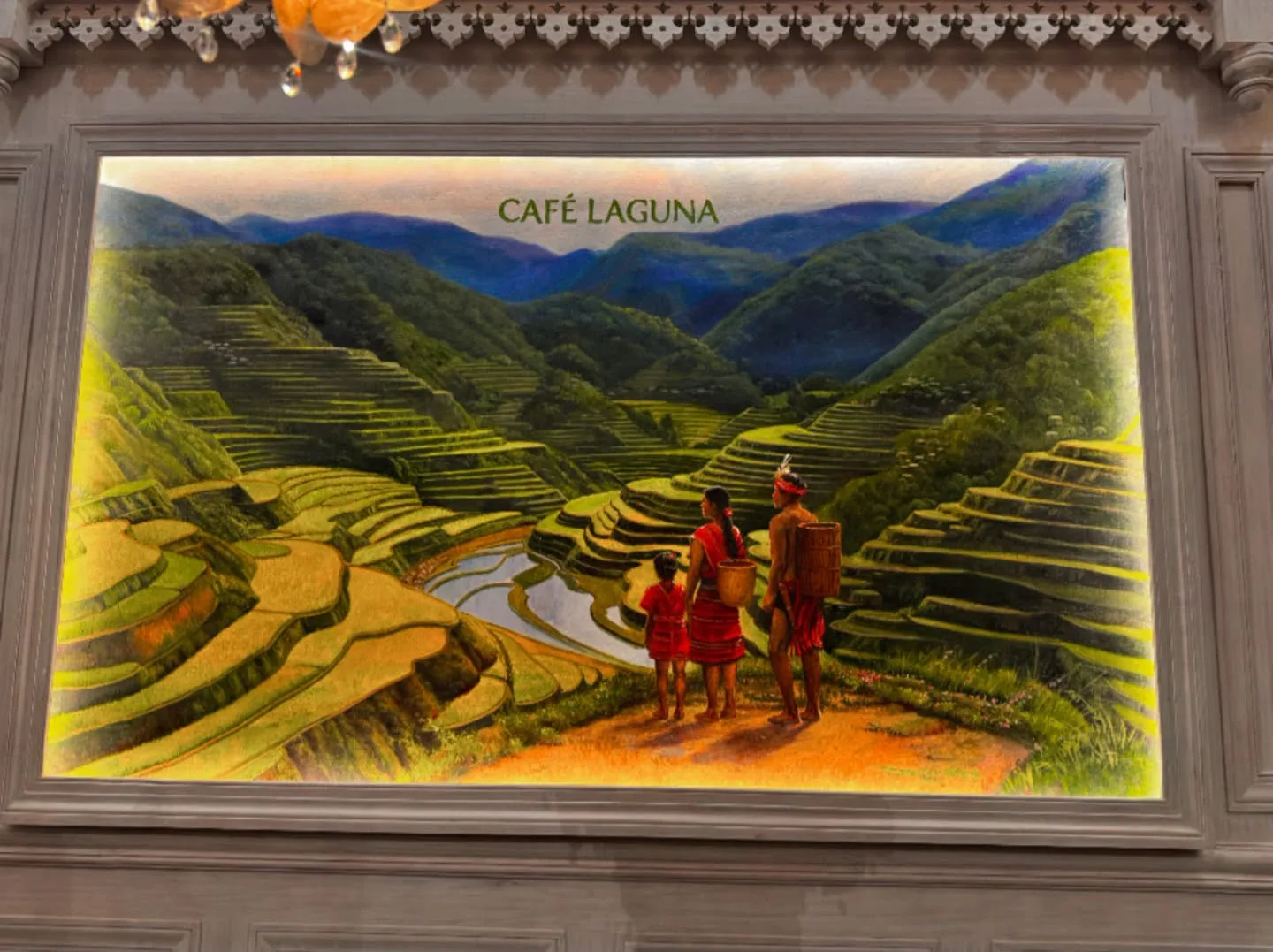
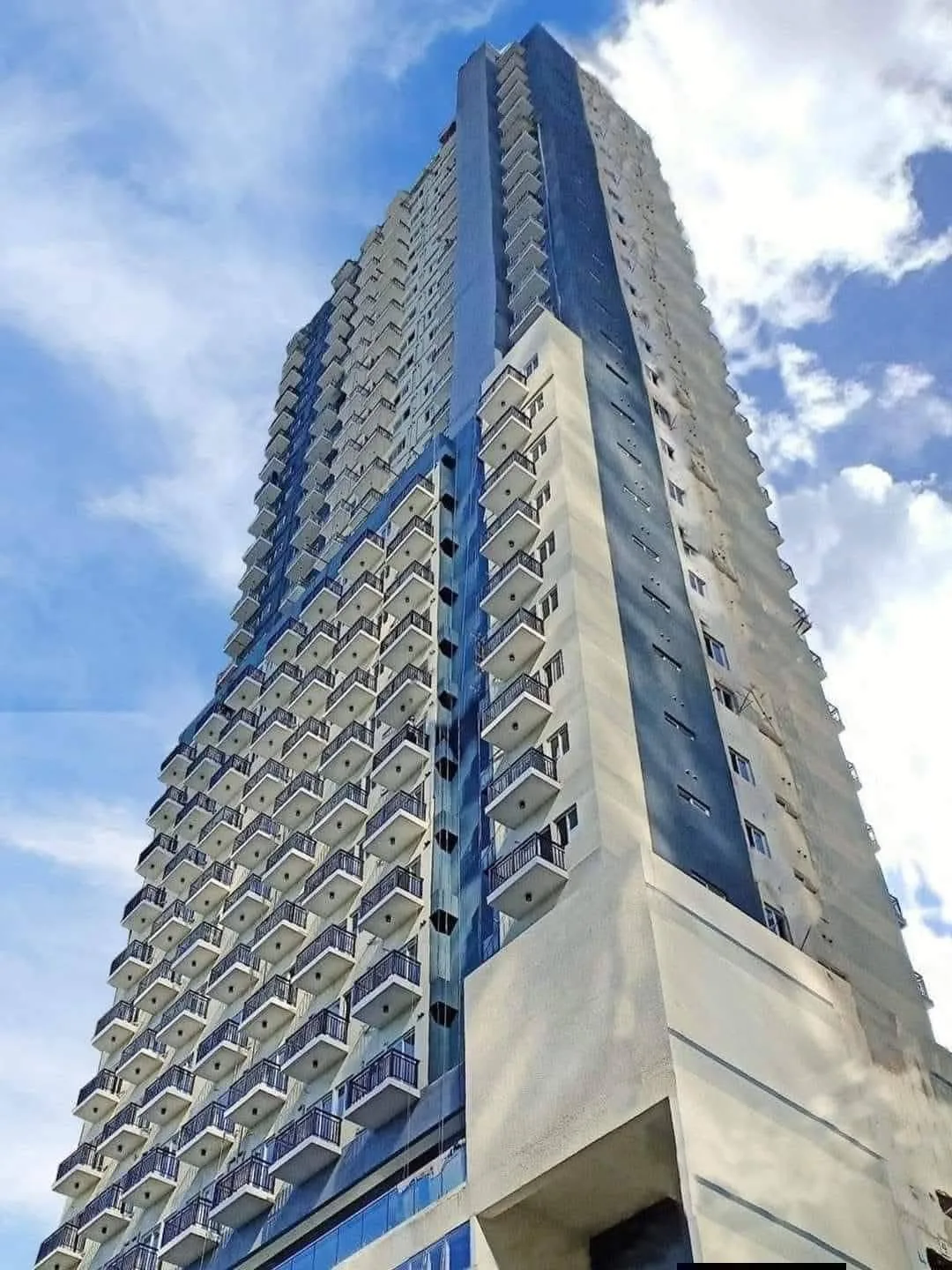
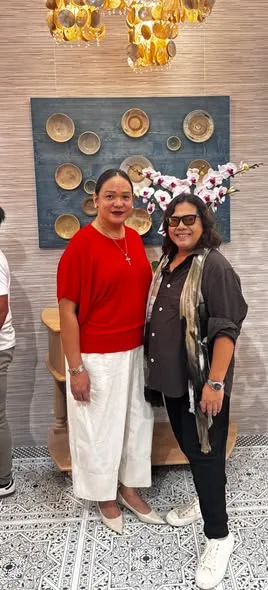
The restaurant’s new address places it at the intersection of luxury living and cultural experience. The Alcoves is Ayala Center Cebu’s premier residential tower, and Café Laguna now occupies a prime ground‑floor space accessible to residents, shoppers, and tourists. Floor‑to‑ceiling windows bathe the interiors in natural light, while warm wood and clean lines create an atmosphere of modern Filipino elegance.
This setting mirrors the aesthetic that Alazas has championed throughout his career. Much like his own designs—which blend contemporary silhouettes with handwoven Hablon de Cebu textiles—the new Café Laguna balances upscale refinement with an unmistakable sense of home. The designer’s appreciation for the venue underscores the growing synergy between Cebu’s fashion, design, and culinary communities.
A Culinary Legacy Worthy of the Runway
The dishes that made Café Laguna a household name remain the stars of the show. Kare‑Kare arrives with house‑made bagoong, its rich peanut sauce a testament to slow, careful cooking. Crispy Pata crackles under the fork, while Lumpiang Sariwa delivers delicate freshness. The year‑round Puto Bumbong—steamed purple sticky rice with grated coconut and muscovado sugar—continues to evoke memories of Simbang Gabi and family gatherings.
These recipes, passed down from Julita Urbina’s mother, represent the same kind of generational craftsmanship that Alazas champions in his own work. He has spent years reviving Cebu’s dying weaving traditions, partnering with rural artisans in Argao to produce the 60‑inch Hablon de Cebu fabrics that now define his collections. For him, the Urbina family’s refusal to compromise on quality mirrors his own mission to keep Filipino artistry alive. His salute is, at its heart, a recognition that true creativity transcends medium—whether expressed through a perfectly sewn terno or a patiently simmered Kare‑Kare.
A Shared Mission for Cebu’s Creative Soul
Alazas’s public congratulations highlight a broader movement in Cebu’s cultural landscape. Designers, chefs, and entrepreneurs are increasingly collaborating to position the city as a hub of authentic Filipino experiences. Café Laguna’s reopening at The Alcoves is both a homecoming and a statement: that Cebu’s heritage institutions can evolve without losing their soul. As diners settle into the new space, they are participating in a living tradition—one that Alazas and the Urbina family both safeguard with unwavering commitment.