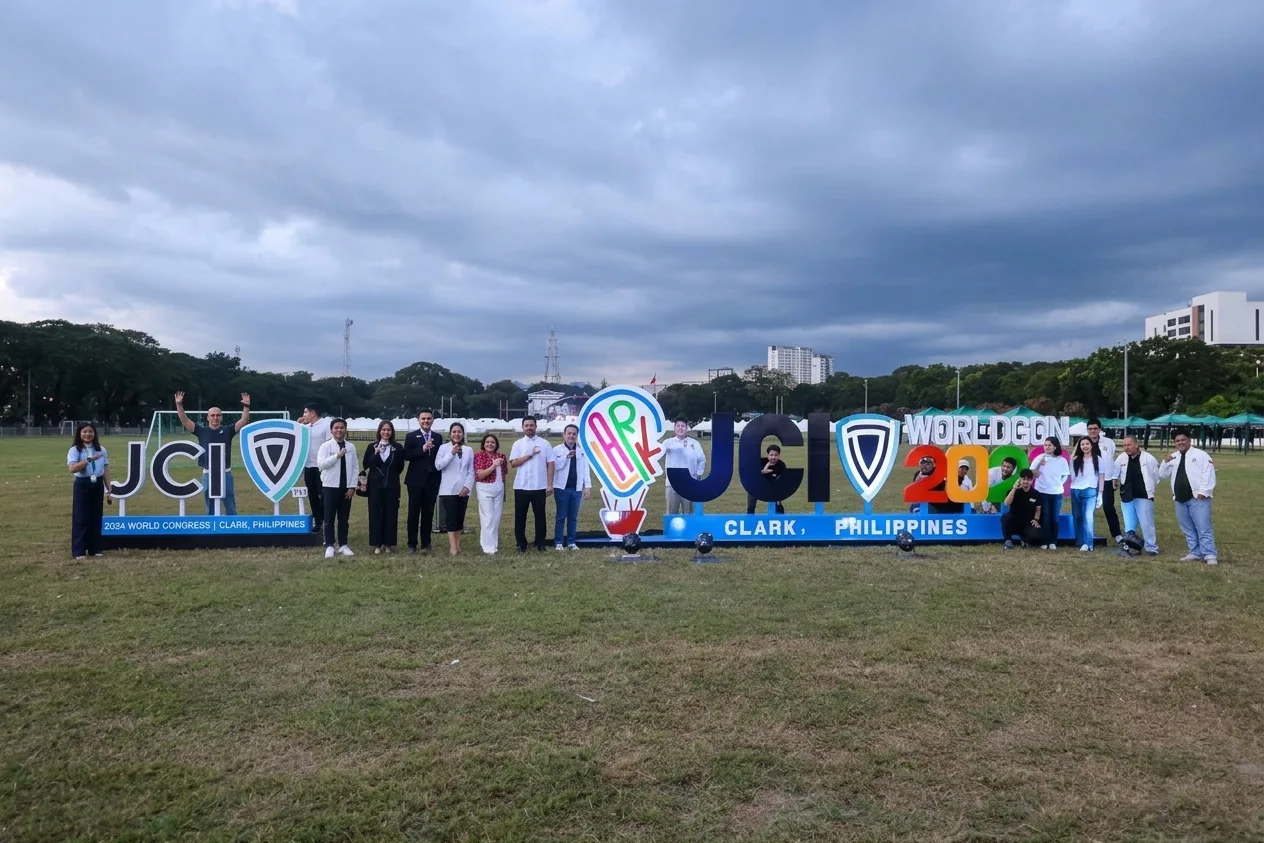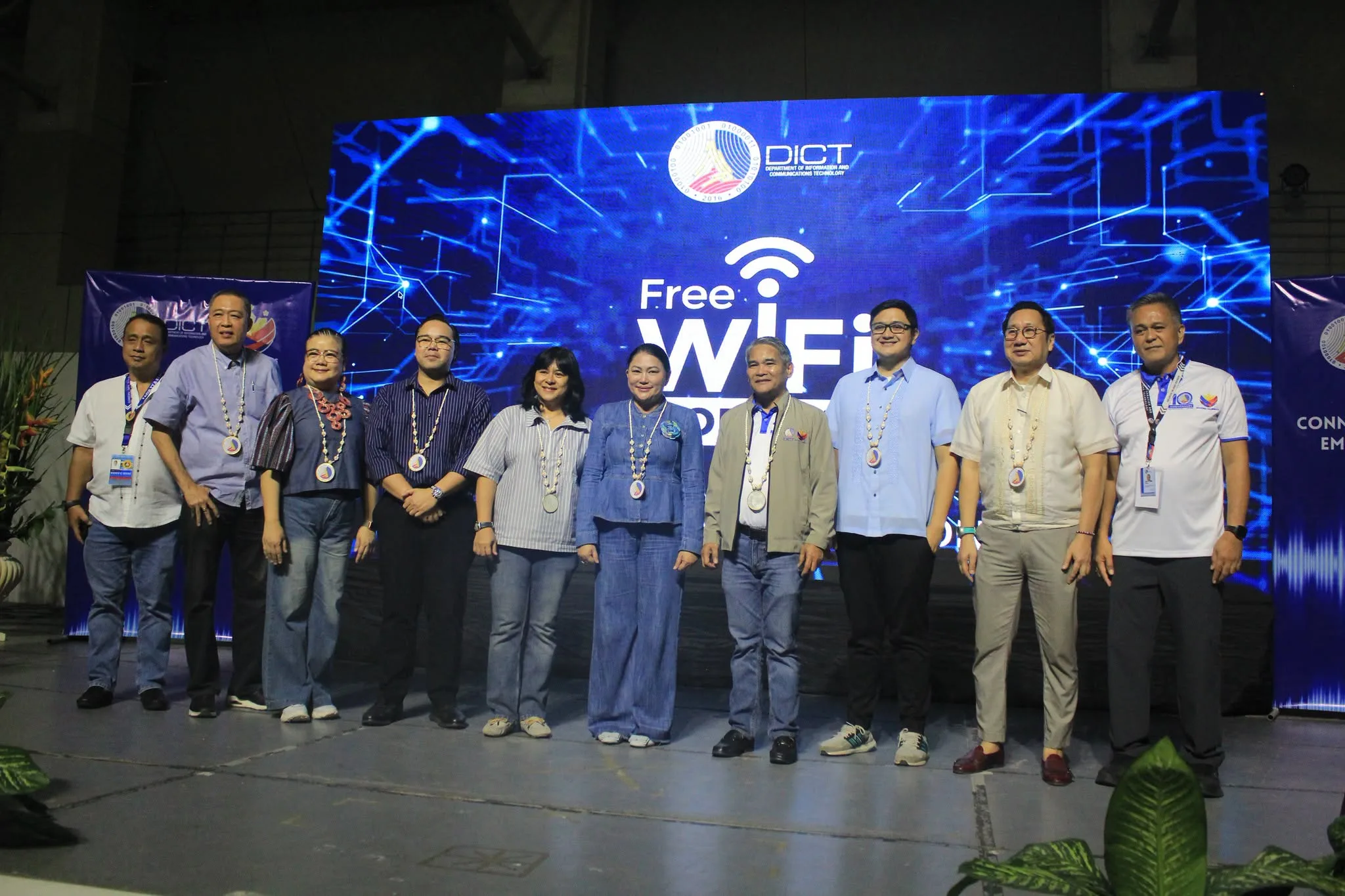
DUMAGUETE CITY, Negros Oriental — The Department of Information and Communications Technology-Negros Island Region (DICT-NIR) has launched 678 new sites under its "Free Wi-Fi for All" program. A ceremonial launch was held on August 25 at the Negros Oriental Convention Center, marking a major step toward digital inclusion for the region.
A Region-Wide Rollout
The expansion covers 327 sites in Negros Oriental, 280 in Negros Occidental, and 71 in Siquijor. These facilities are strategically placed in public elementary and high schools, state universities, TESDA training centers, barangay halls, public hospitals, and local health units. Public markets, police stations, parks, and transport terminals also received free Wi-Fi access.
This initiative directly responds to President Ferdinand R. Marcos Jr.'s directive to bring internet connectivity to all communities. Reinier Cua, representing DICT Secretary Henry Aguda, emphasized the vision of a "Bagong Pilipinas" where no Filipino is left behind. "Connectivity reaches every island, every barangay, and every family," he said.
Building a Digitally Inclusive Future
DICT-NIR Director Engr. Ramil Jeff Taboso highlighted the department's shift toward a more field-based presence. The focus is now on regional expansion and practical service delivery rather than policy alone. He described internet access as a basic requirement that accelerates development across all sectors.
For education, the free Wi-Fi powers digital libraries, research portals, and smart classrooms. For healthcare, it enables telemedicine consultations, especially for island and upland clinics. This technology gives patients quick access to specialized care that was previously difficult to reach.
A Lifesaver for Students
The program's impact is already being felt by students like Patrick Floyd Russel of Negros Oriental State University (NORSU). He described the free Wi-Fi as a "lifesaver" for schoolwork, connecting with peers, and accessing learning materials. "Not all of us students have the capability to be connected at all times," he shared.
The program also eases financial burdens. Students no longer need to spend money at computer shops to complete assignments or research. This support helps level the playing field for those from less privileged backgrounds.
Shift to Field-Based Governance
The DICT's regional expansion reflects a broader strategy under Secretary Aguda. The department is prioritizing on-the-ground presence and practical service delivery. This approach ensures that national programs translate into real benefits for local communities.
Taboso emphasized that connectivity is the backbone of public service delivery. From government transactions to educational resources, internet access enables efficiency and transparency. The free Wi-Fi program is a cornerstone of this digital transformation.
Recognition for Partners
During the launch, DICT recognized partner institutions for their support. NORSU and other agencies were acknowledged for their role in advancing the program. This collaboration between government and educational institutions strengthens the program's reach and sustainability.
The partnership model ensures that the free Wi-Fi facilities are maintained and utilized effectively. It also creates a network of stakeholders committed to digital inclusion. This shared responsibility is key to the program's long-term success.