


VILLABA, LEYTE — Unpredictable weather patterns are severely disrupting traditional farming calendars across Leyte, leaving local agricultural workers increasingly anxious about their upcoming harvests. Prolonged dry spells and sudden, heavy flooding have made it incredibly difficult for farmers to determine the ideal planting schedule.
Juanita Silva Sarsalijo, President of the Payao Farmers Association, shared how delayed rains have left their fields barren while neighboring areas experience severe flooding. This erratic climate threatens both their food security and daily income, forcing them to urgently seek long-term, practical solutions.
Learning Climate-Resilient Solutions
Recognizing these pressing agricultural concerns, the Department of Agriculture's Adaptation and Mitigation Initiative in Agriculture (AMIA) conducted a specialized training on Climate-Resilient Agriculture technologies. The program provides local farmers with actionable, science-based strategies to navigate the escalating challenges of a changing climate.
The initiative serves as a crucial platform for sharing practical approaches, allowing farmers to make highly informed decisions for their fields. By equipping them with modern knowledge, the training significantly strengthens their confidence to sustain their livelihoods despite increasingly unpredictable weather.
Crafting Organic Fertilizers to Cut Costs
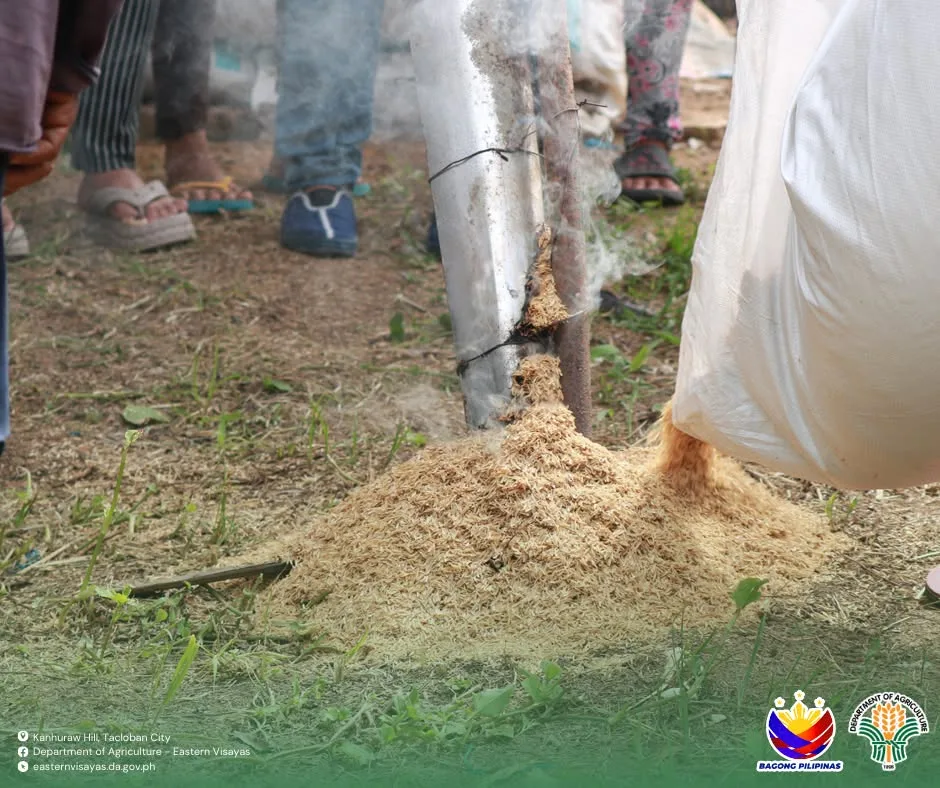
A major highlight of the training was the practical lesson on producing farm-made organic fertilizers. Linlin Losorata, a member of the association, expressed deep gratitude for these new techniques, which empower them to create personalized nutrients directly from local, available resources.
This sustainable practice offers immediate economic relief by significantly cutting expenses, especially as commercial fertilizer prices continue to soar. Beyond cost reduction, the homemade mixtures effectively promote healthier crop growth while providing natural defense mechanisms against persistent pests and plant diseases.
Cultivating a Resilient Farming Future
The knowledge gained from the AMIA training represents a significant step toward building stronger, more adaptable farming communities. Farmers are now better prepared to explore sustainable alternatives and efficiently manage their production costs during unpredictable seasonal shifts.
Ultimately, climate resilience goes beyond simply helping crops withstand harsh environmental conditions. It is fundamentally about empowering the people who work the land, giving them the necessary skills and confidence to make wise, resourceful decisions for their future.
As erratic weather continues to threaten regional agriculture, initiatives like this prove that meaningful adaptation begins with addressing the daily realities of farmers. By providing continuous education and practical tools, the program ensures agricultural production remains viable and sustainable for generations to come.
