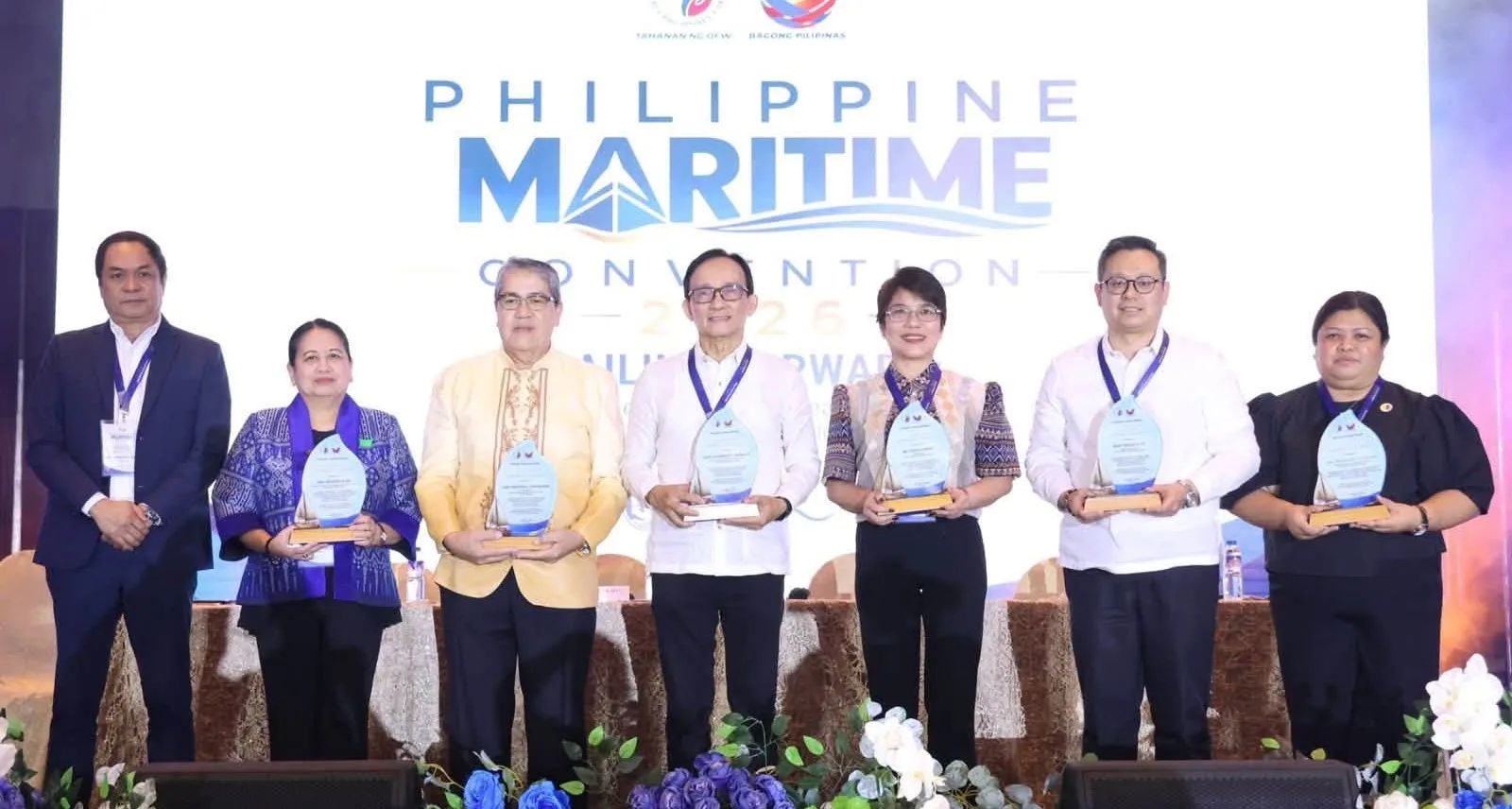
PHILIPPINES — The Department of Migrant Workers presented an inclusive full-cycle National Reintegration Program benefiting Filipino seafarers and their families during the Philippine Maritime Convention 2026 at the Manila Hotel on September 23, 2026. The program addresses the specific needs of returning maritime workers.
A Comprehensive Framework for Returning Workers
DMW Undersecretary Felicitas Q. Bay underscored that although the DMW Act includes seafarers among overseas Filipino workers, there remains a need to address their unique reintegration requirements. She emphasized that reintegration is a shared responsibility requiring collaboration among national agencies, maritime institutions, employers, and industry partners.
The reintegration framework features three streams: Kalinga, Kaalaman, and Kabuhayan. These provide welfare, psychosocial support, and social protection alongside financial literacy, upskilling, livelihood training, entrepreneurship, and business mentoring. The holistic approach ensures that returning workers receive support across multiple dimensions of their transition.
The KKK Framework Explained
The Kalinga component focuses on holistic welfare and support for returning OFWs and their families. This includes psychosocial support, protection, and welfare assistance during the critical transition period. It recognizes that reintegration affects not just the worker but the entire family unit.
The Kaalaman stream delivers financial literacy and awareness programs, helping workers manage their earnings wisely. Upskilling opportunities prepare them for new career paths or entrepreneurial ventures. The Kabuhayan component provides livelihood training, entrepreneurship support, and business mentoring to help returnees establish sustainable income sources.
Families at the Center of Reintegration
Ma. Cecilia Giron of Women Championing Seafarer Families recognized the importance of the program for OFW families. She emphasized that the question should not only be about what job the seafarer will have upon returning but also what kind of life they are coming home to.
Giron particularly appreciated the Kalinga component, noting that family readiness is essential for successful reintegration. When families are prepared for the transition, returning workers can adjust more smoothly to civilian life. This family-centered approach distinguishes the program from traditional job placement initiatives.
Private Sector Engagement Through Bagong Balikbayan Act
Under the Bagong Balikbayan Act, the government seeks to engage the private sector in developing a more comprehensive and sustainable integration program. The initiative aims to provide OFWs, including seafarers and their families, with access to financial services and other support mechanisms.
This public-private partnership model ensures that reintegration efforts extend beyond government resources. Employers, industry partners, and financial institutions play vital roles in creating pathways for returning workers. Their involvement strengthens the sustainability of reintegration outcomes.
Connected Pathways for Career and Family Sustainability
DMW Assistant Secretary and session moderator Ma. Regina Galias emphasized that reintegration must move from programs to connected pathways. The goal is to ensure that a system is already in place when a seafarer is ready for the next phase of their life.
Reactors during the session included Capt. Winston S. Conception of AMUSOP, Capt. Gaudencio C. Morales of the Integrated Seafarers of the Philippines, and OWWA Deputy Administrator Ryan Vincent L. Uy. Their insights enriched the discussion on how to strengthen reintegration support.
Building a Sustainable System for the Future
The National Reintegration Program represents a significant step toward ensuring that Filipino seafarers and their families receive the support they need. By addressing welfare, education, and livelihood simultaneously, the program creates a comprehensive safety net for returning workers.
As the maritime industry continues to evolve, the DMW remains committed to strengthening reintegration pathways. The collaboration among government agencies, private sector partners, and community organizations will determine the program's long-term success in transforming the lives of Filipino seafarers.