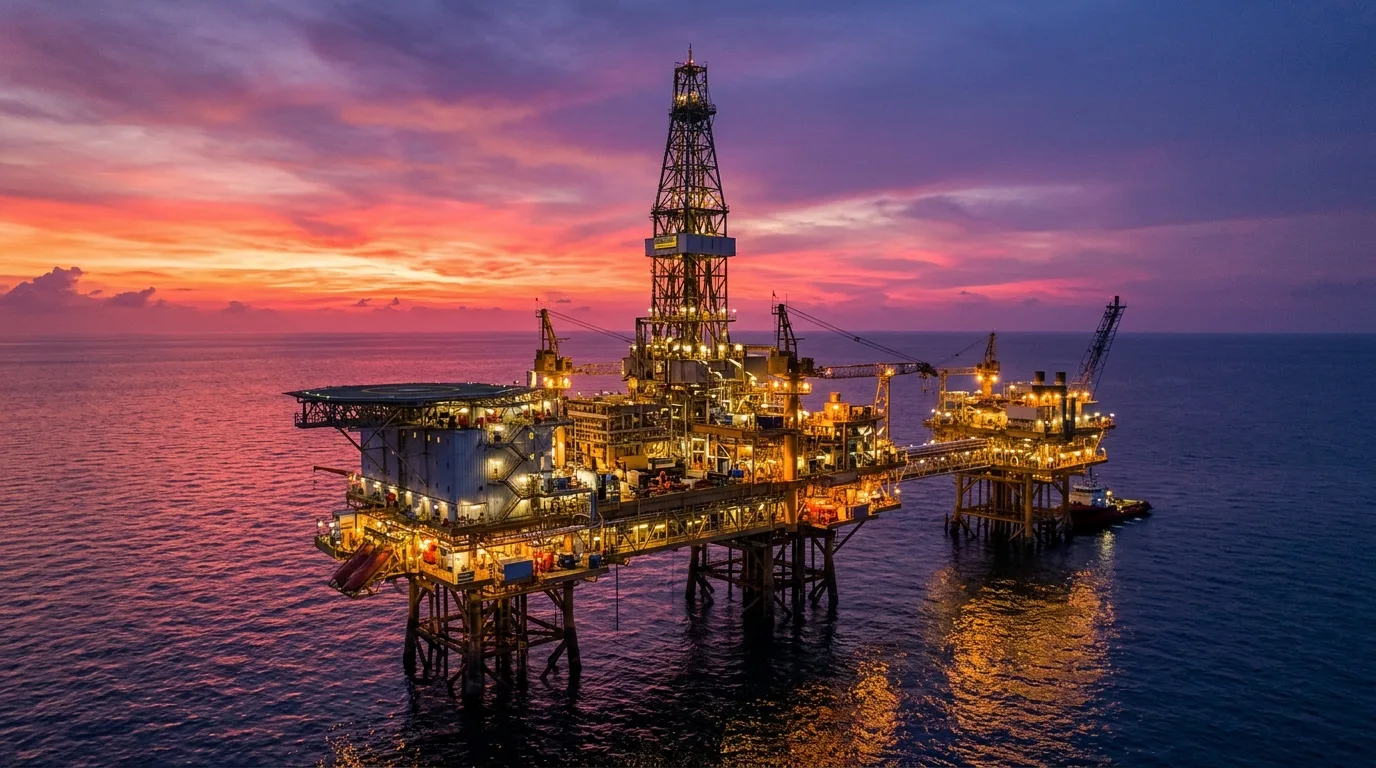
PHILIPPINES — Department of Energy Secretary Sharon S. Garin announced on the sidelines of Singapore International Energy Week 2026 that the Philippines is actively positioning itself as a regional oil stockpiling hub. Japan and Middle Eastern entities are currently exploring the possibility of storing petroleum in the country to ensure mutual energy security.
Strategic Talks with Global Partners
Discussions with Japan, Saudi Arabia, and the United Arab Emirates, including Abu Dhabi National Oil Co., have progressed significantly in recent weeks. These vital negotiations are running alongside the government’s separate plan to establish its own national petroleum reserve, aiming to secure stable energy access for Filipino consumers.
Mitigating Geopolitical Risks
Middle Eastern producers are actively seeking storage locations outside the Strait of Hormuz to reduce the risk of their inventories becoming inaccessible during geopolitical disruptions. The Philippines presents a highly strategic, secure, and stable alternative to traditional storage hubs in the region, offering a safe haven for these valuable commodities.
Furthermore, this initiative complements the ASEAN Petroleum Security Agreement. Under this framework, the Philippines would receive priority access to locally stored petroleum during a severe oil supply crisis, safeguarding the nation from volatile global market shocks and ensuring continuous economic activity.
Bataan and Zamboanga as Key Sites
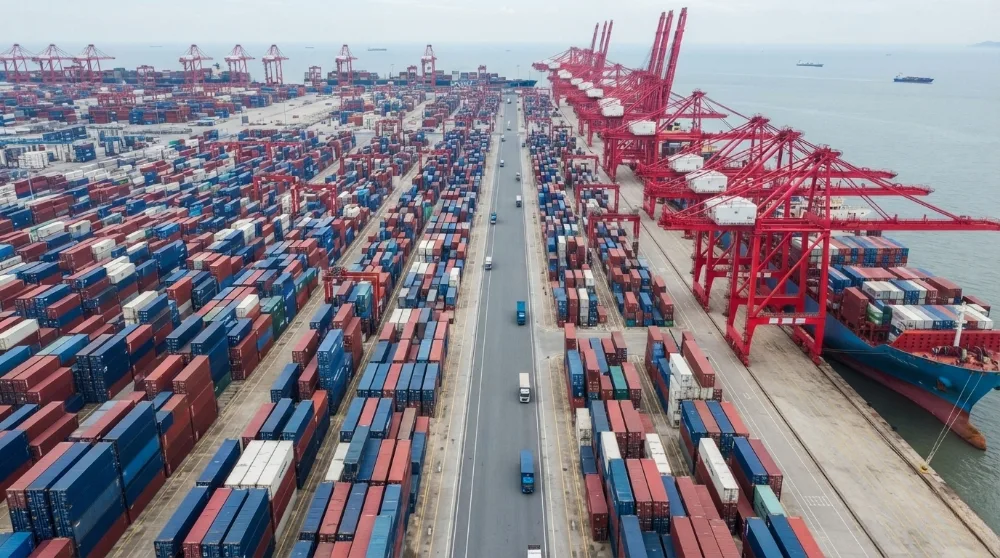
The government has identified Bataan and Zamboanga as prime potential locations for these massive storage facilities. The DOE is exploring various business models, including allowing foreign partners to construct their own tanks or leasing government-developed facilities directly to international suppliers.
Building these large-scale facilities and accumulating sufficient inventories could require tens of billions of pesos. Instead of conventional investment incentives, the DOE is focusing heavily on the fiscal regime, particularly duty-free tax and customs treatment for petroleum intended solely for storage and re-export to other markets.
Balancing National Reserve and Foreign Leases
For the national reserve, the DOE and the Philippine National Oil Co. are seeking an initial ₱8 billion in funding. The government aims to have the initial storage component operational by next year, with another option allowing the Philippines to pay only when drawing from foreign-owned stocks.
Garin emphasized that the government does not want to shoulder the massive financial burden of purchasing all the inventory upfront. By partnering with global energy producers, the Philippines can benefit from readily available fuel supplies without draining public funds intended for basic social services.
Ensuring Long-Term Energy Stability
To ensure smooth operations, the DOE is seeking technical assistance from Japan and the United States. This international support will help the country properly manage, operate, and maintain its complex petroleum reserves, ensuring long-term energy stability and economic resilience for the entire archipelago.
As global energy dynamics shift, hosting these regional stockpiles positions the Philippines as a key player in the Southeast Asian energy landscape. It transforms the country from a passive importer into a vital logistical node, driving further infrastructure investments and economic growth.