


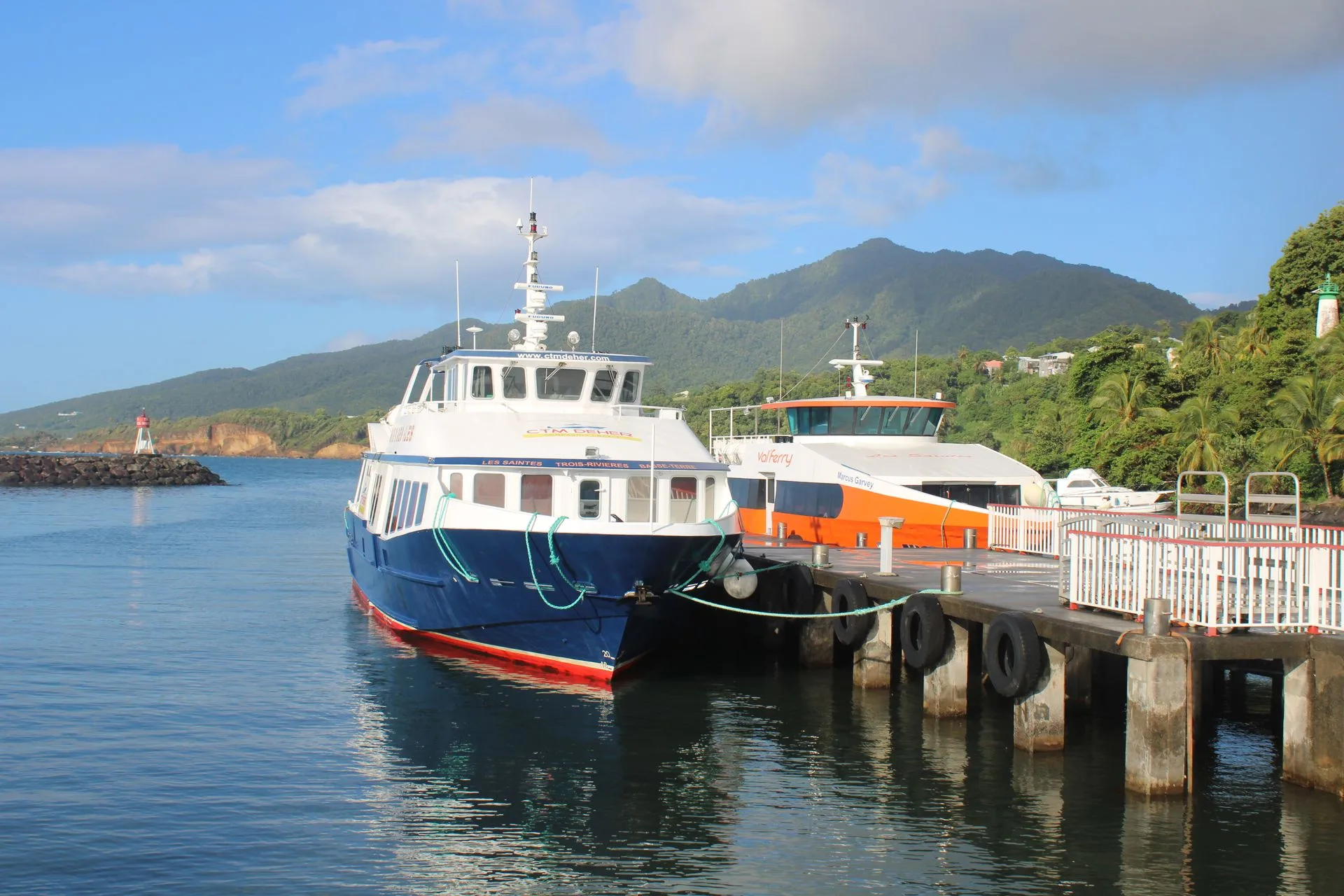
PHILIPPINES — The Commonwealth of Dominica has unveiled sweeping tax and immigration reforms that could reshape opportunities for overseas Filipino workers and remote professionals. Finance Minister Dr. Irving McIntyre presented the 2026/2027 National Budget, introducing a flat 10 percent personal income tax and new residence pathways designed to attract foreign talent.
A Tax System That Keeps More Earnings
Starting January 1, 2027, Dominica will replace its previous income tax brackets of 15, 25, and 35 percent with a single flat rate of 10 percent. The tax-free allowance remains at EC$30,000, meaning low-income earners pay nothing. For OFWs already working on the island, this translates directly into higher take-home pay.
More significantly, Dominica is adopting a territorial tax system. Individuals residing in the country will only pay local tax on income earned within Dominica. Foreign-sourced earnings—such as salaries from overseas employers, remote contracts, or investments—will be exempt from local income tax entirely. This makes Dominica an attractive base for Filipino digital nomads and freelancers serving international clients.
Free Residence for Remote Workers
The government launched the “Live in Dominica” visa, a free two-year residence permit for eligible remote workers, freelancers, retirees, and self-supported expats. Filipino virtual assistants, software developers, and online contractors can now consider Dominica as a low-tax home base. The visa removes the usual financial barrier of expensive residency fees, making the island more accessible than ever.
For skilled workers, the Essential Skills Permit offers a fast-track pathway to residence in sectors facing labor shortages. Construction, engineering, healthcare, and hospitality are priority areas, particularly as Dominica builds a new international airport and expands geothermal energy. Filipino engineers, technicians, and resort staff could find new deployment opportunities through this program.
Savings and Visa Access for Filipinos
Philippine passport holders already enjoy 21-day visa-free entry into Dominica, allowing them to scout opportunities or transition into longer-term permits. The extended VAT and import-duty exemptions on essential goods, in effect until September 30, 2026, also help lower daily living costs. For OFWs sending remittances home, every dollar saved on food and household items matters.
The reforms align with Dominica’s goal of reaching 100,000 residents by 2040. By courting international talent with tax breaks and streamlined visas, the island is positioning itself as a competitive destination in the Caribbean. For Filipinos seeking new horizons, Dominica now offers a rare blend of low taxes and legal residency options.
A Word of Caution for OFWs
While the opportunities are real, formal overseas employment from the Philippines must still go through the Department of Migrant Workers. Licensed recruitment channels and verified contracts remain essential to protect workers from exploitation. Filipinos should always confirm that any job offer complies with DMW guidelines before making commitments.
