


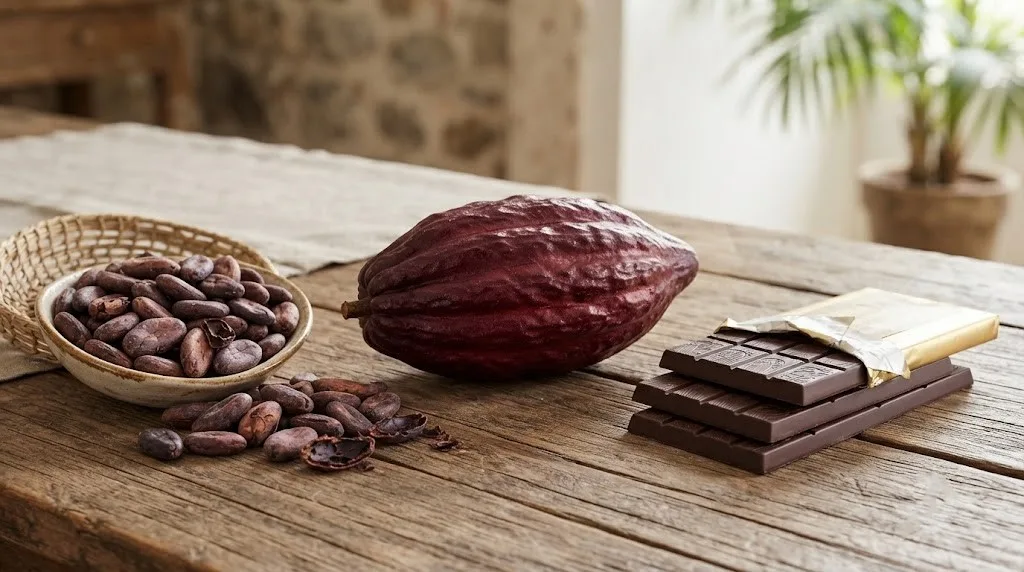
Creating More Value from Every Cacao Harvest
LEYTE - The Department of Trade and Industry (DTI) Leyte Provincial Office is helping cacao farmers maximize the value of their harvests by introducing technologies that transform agricultural by-products into marketable goods. Implemented through the Rural Agro-enterprise Partnership for Inclusive Development (RAPID) Growth Project, the initiative brings together farmers, cooperatives, micro, small, and medium enterprises (MSMEs), and other industry stakeholders to explore innovative processing methods. Instead of treating cacao by-products as waste, participants are learning how these materials can become additional sources of income. The program reflects DTI's commitment to promoting innovation while helping rural communities develop more resilient and sustainable livelihoods. By expanding knowledge on value-added processing, the initiative supports the long-term growth of Leyte's cacao industry. It also encourages entrepreneurs to explore new business opportunities beyond the sale of raw cacao beans.
Turning Agricultural Waste into Profitable Products
As part of the training, participants are introduced to practical techniques that convert cacao by-products such as pod husks, cacao sweating, and fossilized leaves into commercially valuable products. These include beverages, vinegar, ethanol, eco-friendly fuel briquettes, and decorative craft items that can generate additional revenue for farming communities. Hands-on demonstrations allow farmers to gain practical experience in producing these products while learning modern processing methods. Each participant also receives a Cacao Fossilized Leaves Processing Starter Kit to help continue practicing the technologies after the training. In addition, the program showcases processing equipment developed by the Philippine Center for Postharvest Development and Mechanization (PHilMech), providing farmers with access to technologies that can improve efficiency and product quality. These innovations demonstrate how sustainable farming practices can create multiple income streams from a single agricultural crop.
Strengthening the Competitiveness of Leyte's Cacao Industry
Beyond product innovation, the program provides participants with updated information on the Philippine cacao industry, market trends, and strategies for improving bean quality and farm productivity. Better-quality cacao products can help local farmers meet increasing domestic and international demand while enhancing the competitiveness of Leyte's agricultural sector. DTI officials emphasized that technology transfer plays an important role in helping producers move beyond traditional farming methods and build stronger community-based enterprises. By increasing productivity and encouraging value-added processing, farmers are better positioned to earn higher returns from their harvests. These efforts also support the development of local agribusinesses that contribute to employment and rural economic growth. Strengthening every stage of the cacao value chain helps ensure that more economic benefits remain within farming communities.
Promoting Sustainable Growth Through Innovation
The RAPID Growth Project highlights how innovation and sustainable resource management can improve both agricultural productivity and environmental stewardship. Making productive use of cacao by-products reduces farm waste while creating new economic opportunities for growers and entrepreneurs. This circular approach supports the national government's broader goal of modernizing agriculture through technology, entrepreneurship, and value chain development. As more farmers adopt these processing techniques, Leyte's cacao sector is expected to become more resilient, diversified, and competitive. Continued collaboration among government agencies, industry partners, and farming communities will play a key role in sustaining the industry's growth. Through initiatives such as this, Leyte continues to strengthen its position as an emerging center for high-value and sustainable cacao production in the Philippines.
