Peace Education Begins With Understanding
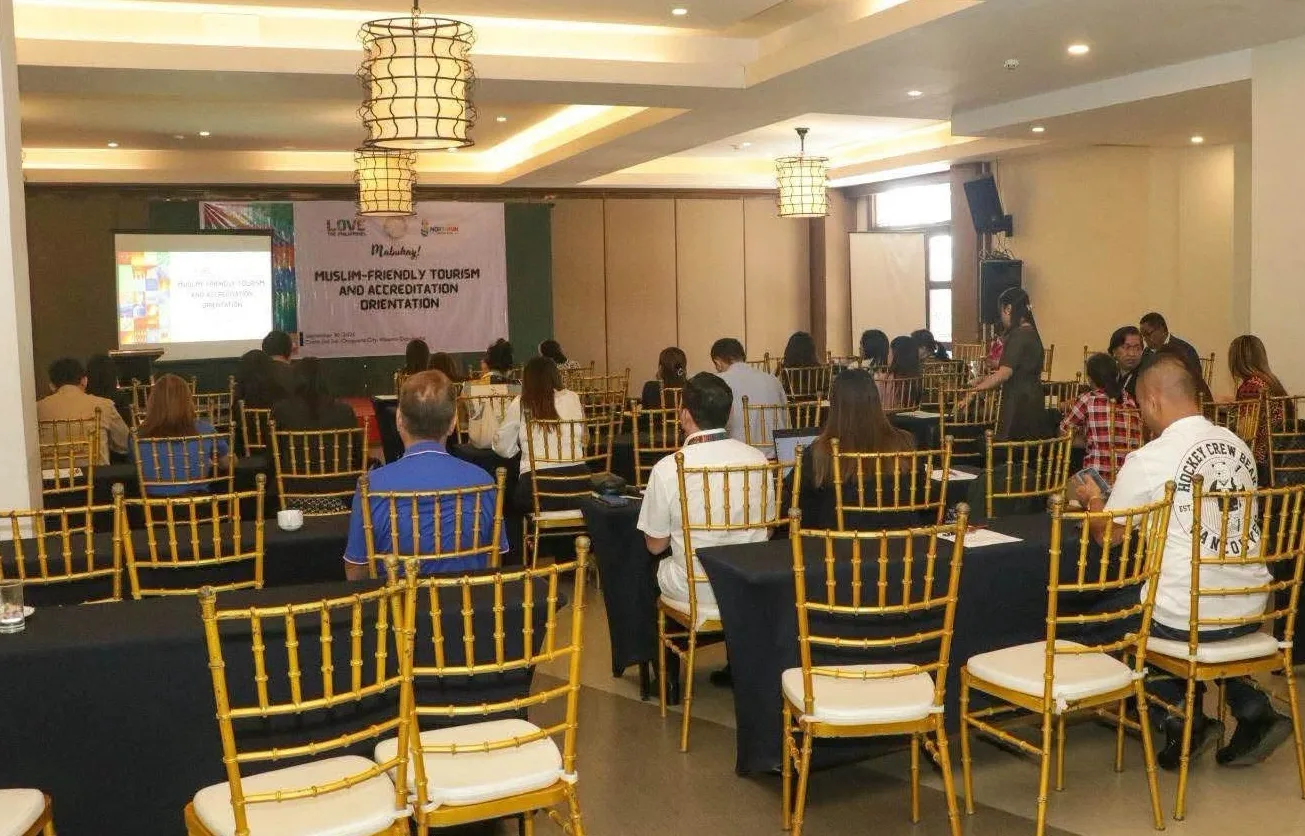
OZAMIZ CITY- Peace awareness involves more than recognizing security threats; it also means understanding the importance of dialogue, responsible reporting, and respect for other members of the community. When residents have access to reliable information, they are better equipped to distinguish verified advisories from rumors and respond appropriately to public concerns. In March 2026, a workshop in Ozamiz City brought students and teachers together to develop information materials on mental health, adolescent health, and disaster preparedness. Although that initiative was separate from the AFP activity referenced here, it demonstrates how locally relevant education can help communities communicate important information. Similar principles can guide peace awareness efforts by making information practical, understandable, and relevant to everyday life.
Safety Training Makes Preparedness More Practical
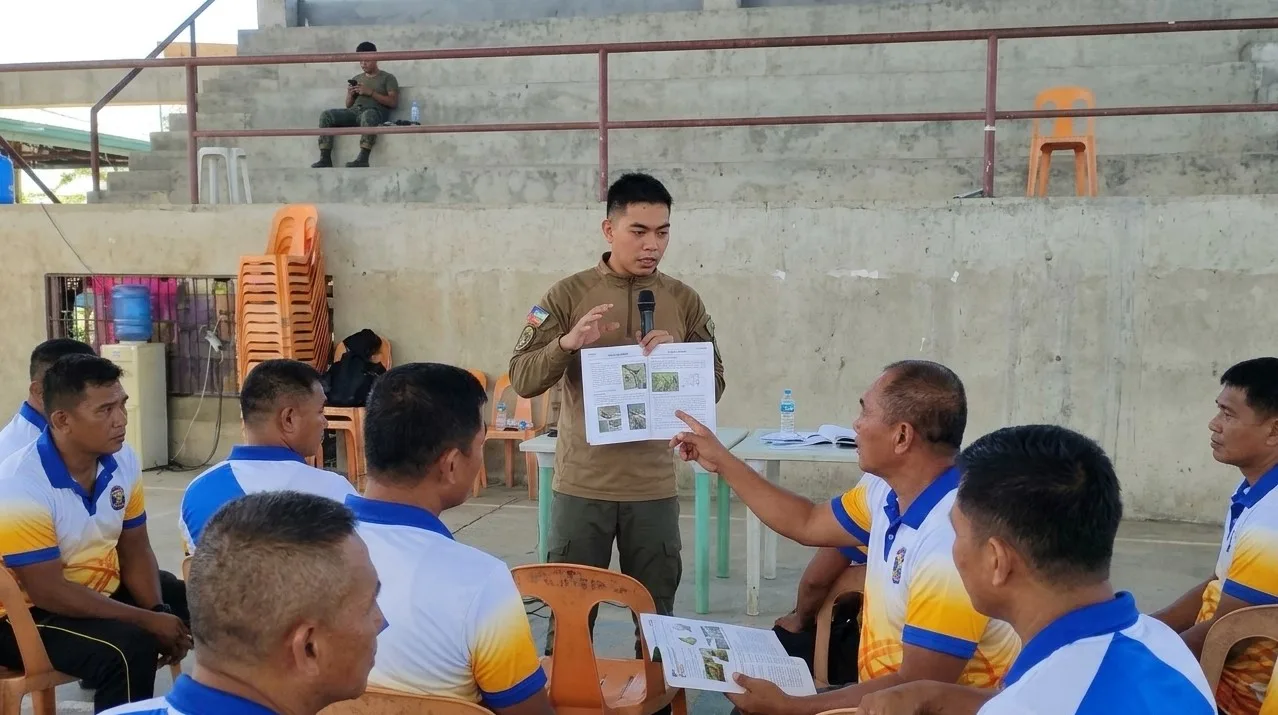
Training sessions can help participants understand safety procedures, identify appropriate sources of assistance, and recognize their responsibilities during emergencies. The most useful programs connect information with real-life situations, allowing participants to consider how they would respond to a hazard or an urgent community concern. In October 2026, the Department of Education's Schools Division of Ozamiz City issued a memorandum on strengthening safety and security measures in public schools. The directive provides a separate, documented example of the continuing attention given to safety procedures in the city, although it does not confirm the details of the reported AFP training. Clear guidance and coordination among relevant institutions remain important when preparing communities for unexpected situations.
Building Trust Through Responsible Cooperation
Peace and safety are shared concerns that require both institutional preparedness and public awareness. Residents can contribute by following verified advisories, reporting emergencies through appropriate channels, avoiding the spread of unconfirmed information, and treating others with respect. Community training can also create opportunities for participants to ask questions and better understand the responsibilities of agencies involved in public safety. For the reported Ozamiz activity, the exact training date, participating groups, subjects discussed, and outcomes should be confirmed through the original announcement or an official AFP report. With those details established, the activity's contribution to community preparedness can be reported more precisely and responsibly.